
Why Choose Palm Jaggery?
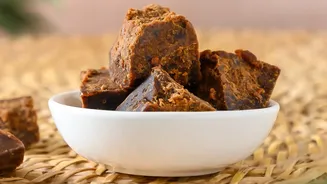
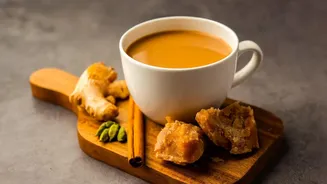
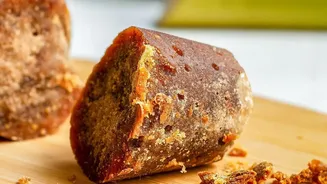
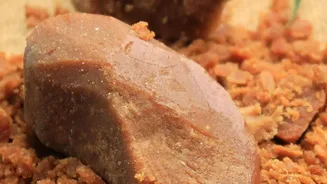
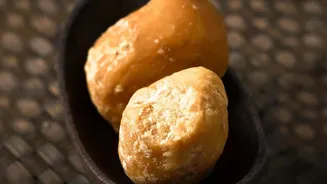
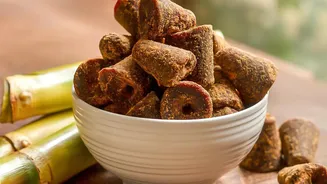
Palm jaggery is an unrefined sweetener made from the sap of palm trees like palmyra, date, or coconut. Unlike refined white sugar, which undergoes intense processing that strips it of nutrients, palm jaggery is made through a more traditional method of boiling
the sap until it solidifies. This minimal processing means it retains more of its natural goodness. While white sugar is essentially empty calories, palm jaggery contains trace amounts of essential minerals like iron, potassium, and magnesium, as well as B vitamins. It's also celebrated in Ayurveda as a 'medicinal sugar' for its perceived health benefits, such as aiding digestion and cleansing the liver. This makes it an attractive option for anyone looking to make a more mindful choice without giving up sweetness entirely.
The Flavour and Texture Transformation
Swapping sugar for palm jaggery isn't just a health-conscious move; it's a culinary upgrade. Palm jaggery imparts a deep, complex flavour profile with notes of caramel, toffee, and a hint of smokiness, adding a rich dimension that white sugar can't match. This earthy sweetness pairs beautifully with ingredients like chocolate, coffee, banana, and spices. When used in baking, it often results in a moister, denser final product due to its natural moisture content. Cakes and muffins become more tender, while cookies may have a softer chew. The dark colour of the jaggery will also give your bakes a beautiful, rustic brown hue, often resembling a chocolate-based dessert.
The Golden Rules of Swapping
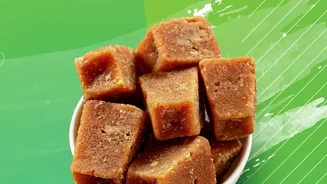
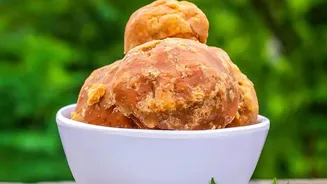
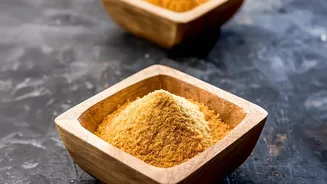
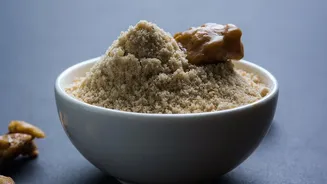
Successfully substituting palm jaggery for sugar requires a few key adjustments. Since jaggery is generally considered less sweet than highly refined sugar, a direct 1:1 replacement might leave your dessert tasting a bit flat. A good rule of thumb is to use about 1.25 cups of palm jaggery for every 1 cup of white sugar called for in a recipe. Palm jaggery often comes in solid blocks or mounds which may contain impurities. To prepare it for baking, it's best to first melt it with a small amount of water over low heat, then strain the resulting syrup through a fine sieve to remove any grit. Allow this syrup to cool completely before incorporating it into your batter. If you're using powdered palm jaggery, you can often use it directly, but straining the syrup is always the safest bet for a smooth texture.
Tips for Different Bakes
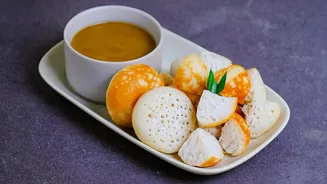
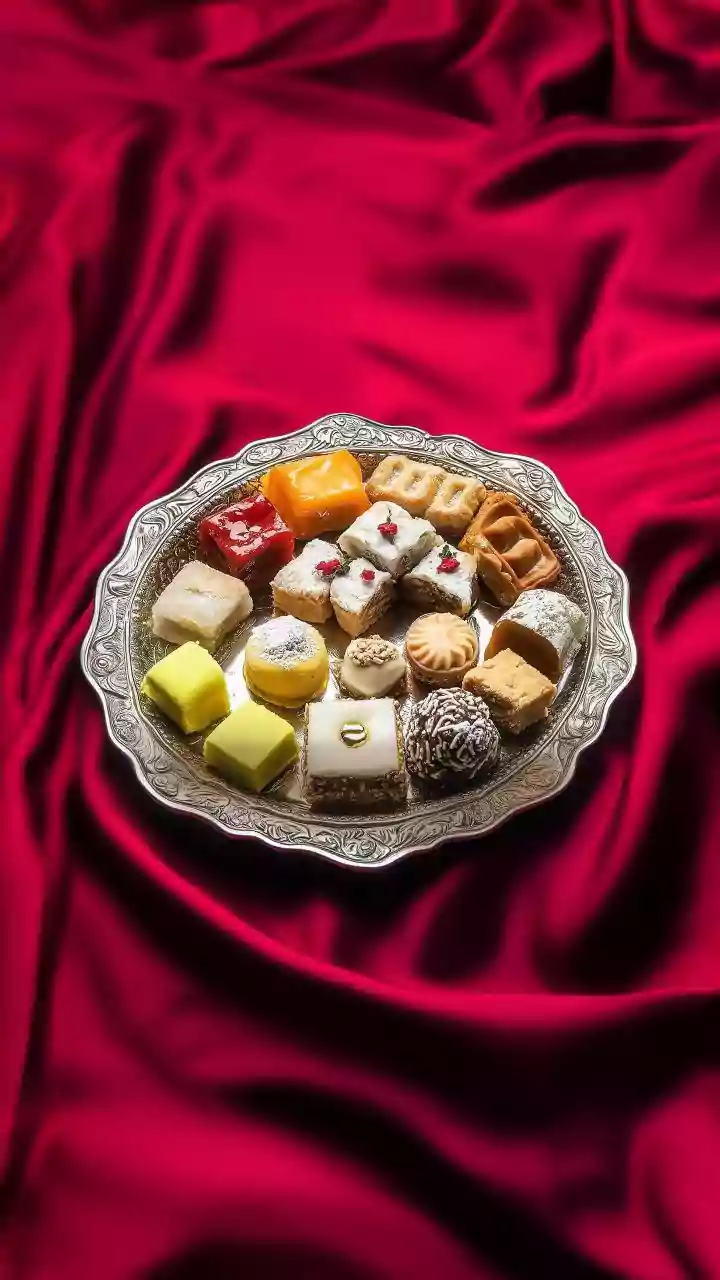
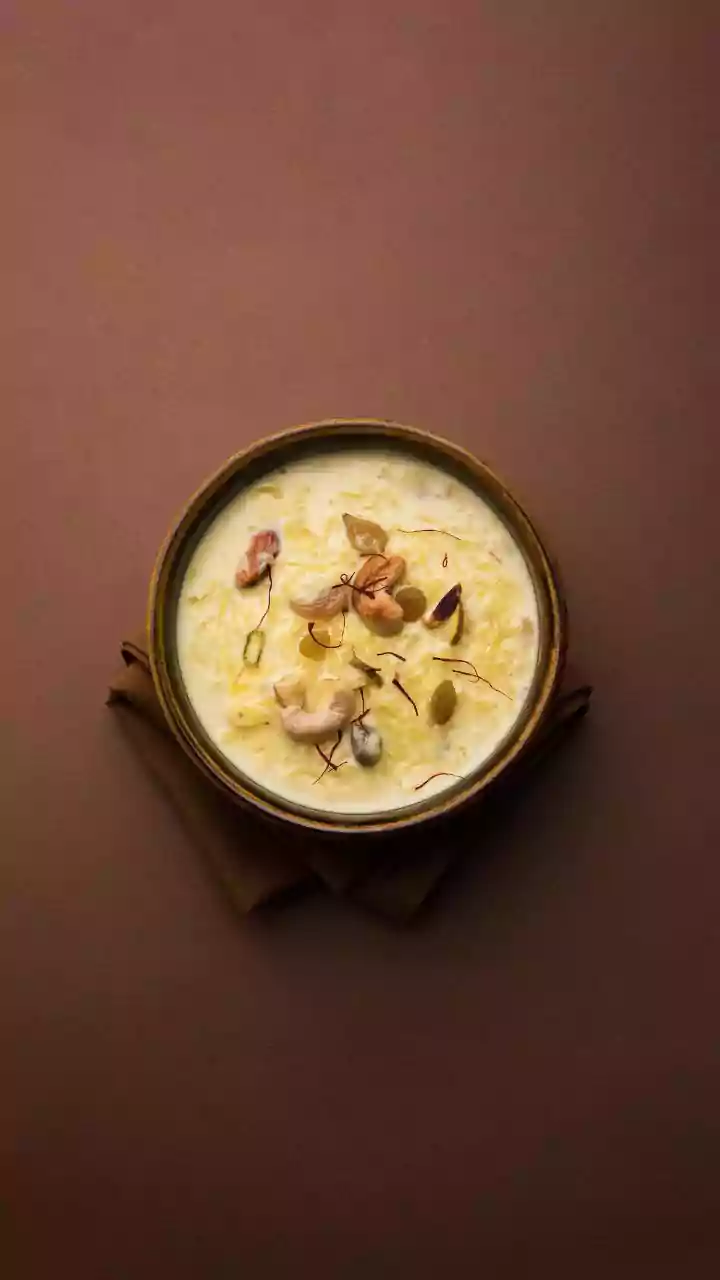
The impact of palm jaggery can vary depending on what you're making. For cakes and muffins, its moisture-retaining properties are a huge plus, leading to a wonderfully soft crumb. It works especially well in recipes that already have strong flavours, like banana bread or spiced cakes. In cookies, the extra moisture can lead to less spread and a cakier texture. If you prefer a crispier cookie, you might need to slightly reduce other liquids in the recipe. For traditional Indian sweets like payasam or halwa, palm jaggery is a natural fit, lending authentic flavour and colour. One crucial tip for milk-based desserts is to add the jaggery syrup off the flame after the milk has cooked to prevent it from curdling.
Mindful Indulgence
While palm jaggery is nutritionally superior to white sugar, it's important to remember that it is still a form of sugar and contains a similar number of calories. Its main advantage lies in its lower glycemic index (GI), which means it raises blood sugar levels more slowly than refined sugar does. Palm jaggery's GI is estimated to be around 35-43, whereas white sugar's is about 65. This makes it a better option for those seeking to avoid sharp blood sugar spikes. However, moderation remains key. Think of palm jaggery not as a free pass to eat unlimited sweets, but as a more wholesome, flavourful, and nutrient-dense way to enjoy a well-deserved treat.