




The Rise of the 'Drop'
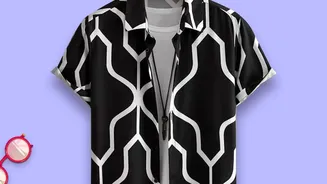
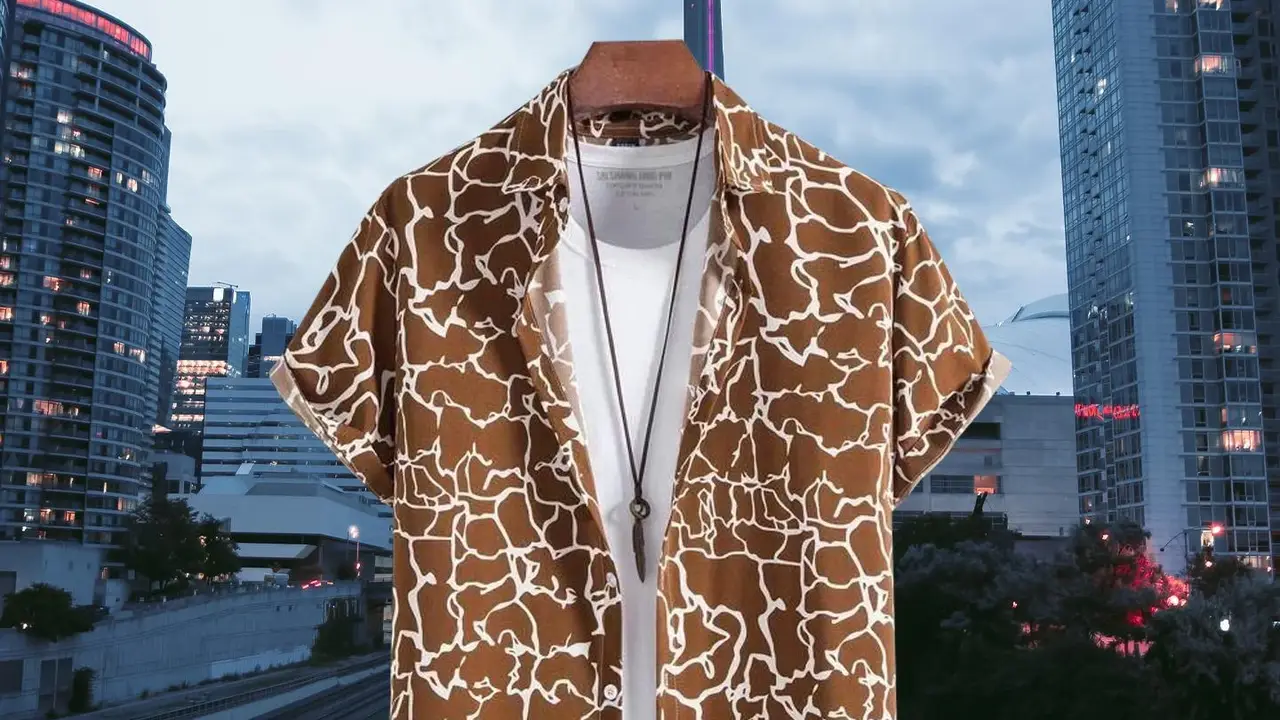
What began with streetwear brands like Supreme releasing limited items on a strict schedule has become a global retail phenomenon. Now, fast fashion giants and even luxury labels use “drops”—small, frequent releases of new products—to create a continuous
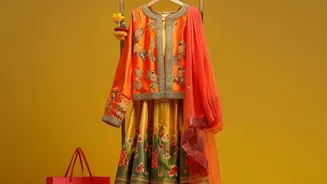
buzz. Instead of traditional spring/summer and autumn/winter collections, brands can now introduce hundreds of new styles every single week. In India, numerous direct-to-consumer (D2C) brands have built their entire business model on this strategy, launching fresh designs weekly to cater to the Gen Z demand for constant novelty. This turns the act of releasing a product into an event, something to be anticipated and acted upon immediately.
The Psychology of Urgency
The success of the drop model is rooted in basic human psychology. Brands intentionally release products in quantities designed to sell out quickly, creating artificial scarcity. According to psychologists, we instinctively assign greater value to things that are less available. This triggers a powerful emotional response known as FOMO, or the Fear of Missing Out. The worry that you might miss a unique opportunity bypasses rational decision-making. You stop asking, “Do I really need this?” and start thinking, “I have to get it before it’s gone.” This creates an environment of urgency where owning an exclusive item can feel like an achievement.
Blurring the Line Between Want and Need
This constant cycle of temptation effectively short-circuits our ability to distinguish between genuine need and manufactured desire. When a new “must-have” item appears every week, the baseline for a modern wardrobe feels like it’s always shifting. The pressure to keep up, amplified by social media influencers showcasing the latest drops, is immense, particularly for younger consumers. The purchase is no longer just about the product; it's about participation in a cultural moment and signaling that you are part of an exclusive group. This transforms consumption from a practical activity into an emotional ritual of belonging.
The Hidden Costs of Constant Consumption
While snagging a limited-edition item can provide a temporary thrill, the drop model has significant downsides. For our wallets, it encourages impulsive buying, which can lead to unplanned expenses and debt. The excitement of the purchase can quickly be followed by post-purchase regret when the initial high wears off. For the planet, this model is the engine of fast fashion, an industry notorious for its environmental impact. It's responsible for massive water consumption, carbon emissions, and waste, with millions of tonnes of textiles ending up in landfills annually. The relentless demand for newness often comes at the cost of quality and ethical labour practices, with many garments designed to be worn only a few times before being discarded.
Reclaiming Your Wardrobe and Your Wallet
Breaking free from the cycle of weekly drops doesn’t mean you have to stop enjoying fashion. It’s about shifting from a reactive consumer to a conscious one. Before you click “add to cart,” take a moment to pause. Ask yourself if the item fills a genuine gap in your wardrobe or if the urgency is manufactured. A simple rule like the “30 wears test”—committing to wearing a new item at least 30 times—can help filter out impulsive buys. Unfollowing accounts that trigger constant shopping anxiety and curating your feed to focus on style inspiration rather than specific products can also reduce temptation. By understanding the psychological triggers at play, you can start making more intentional choices that align with your personal style and values, not just a brand’s release schedule.