


The Monsoon Challenge for Roots
The continuous rainfall and high humidity of August create a double-edged sword for plants. While they provide ample water, they also create conditions perfect for one of the most common garden killers: root rot. When soil becomes waterlogged, the air
pockets that roots need to breathe are filled with water. This lack of oxygen suffocates the roots, weakening them and making them vulnerable to soil-borne fungi like Pythium and Phytophthora, which thrive in damp conditions. The damage starts silently underground, often only becoming visible when leaves start to yellow or the plant wilts, by which point the problem is already advanced.
Rethink Your Watering Schedule
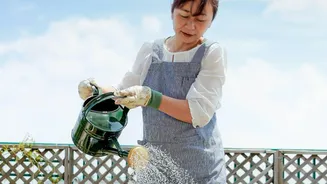
The single biggest mistake gardeners make during monsoon is sticking to their summer watering routine. With frequent rain and high humidity, plants need significantly less manual watering. Overwatering is the leading cause of root rot. Before you even think about picking up the watering can, use the simple finger test: push your finger two to three centimetres into the soil. If it feels moist, do not water. Always check your pots after heavy rain and empty any water that has collected in the saucers or trays underneath. Allowing pots to sit in standing water keeps the lower roots constantly submerged and is a direct invitation for rot.
Mastering Soil and Drainage
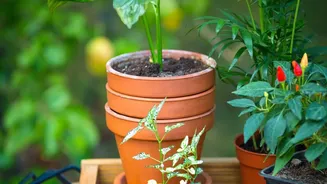
Good drainage is your best defence against waterlogged soil. Ensure every pot has functional drainage holes that are not blocked by mud or compacted roots. If you're using decorative pots without holes, it's best to keep your plant in a smaller nursery pot with drainage and place it inside the decorative one, allowing you to remove it for watering and draining. Using garden soil in pots is often a mistake, as it compacts easily and retains too much water. Instead, use a well-draining potting mix. You can improve the drainage of your existing soil by adding amendments like perlite or vermiculite, which create air pockets and prevent compaction. Elevating pots on stands or bricks also improves airflow and helps water escape more freely.
How to Spot Root Distress
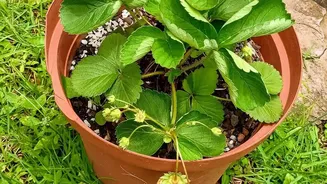
Catching root problems early can save your plant. Be on the lookout for key symptoms. One of the most telling signs is a plant that looks wilted and thirsty even though the soil is wet. This happens because the rotting roots can no longer absorb water effectively. Other signs include yellowing leaves (especially lower ones), stunted growth, and a sour or mouldy smell coming from the soil. If you suspect rot, the only way to be sure is to gently remove the plant from its pot and inspect the roots. Healthy roots should be firm and white or light tan. If they are brown, black, soft, or mushy, you are dealing with root rot.
Light Feeding for Stronger Roots
While heavy rains can wash nutrients out of the soil, this isn't the time for aggressive fertilising. Plant growth naturally slows down during cloudy monsoon days due to reduced sunlight. Heavy fertilisers can stress the already vulnerable, wet roots. The goal is to replenish lost nutrients gently. Organic options like vermicompost or bone meal are excellent choices as they release nutrients slowly and improve soil structure. If you use a liquid fertiliser, dilute it to half-strength. Focus on fertilisers that are balanced or slightly higher in phosphorus and potassium, which support root development and disease resistance, rather than high-nitrogen formulas that push leafy growth at the expense of the roots.