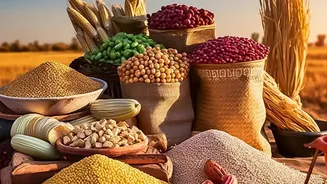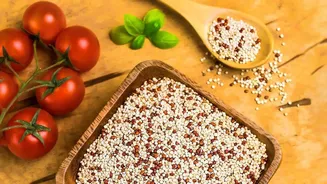

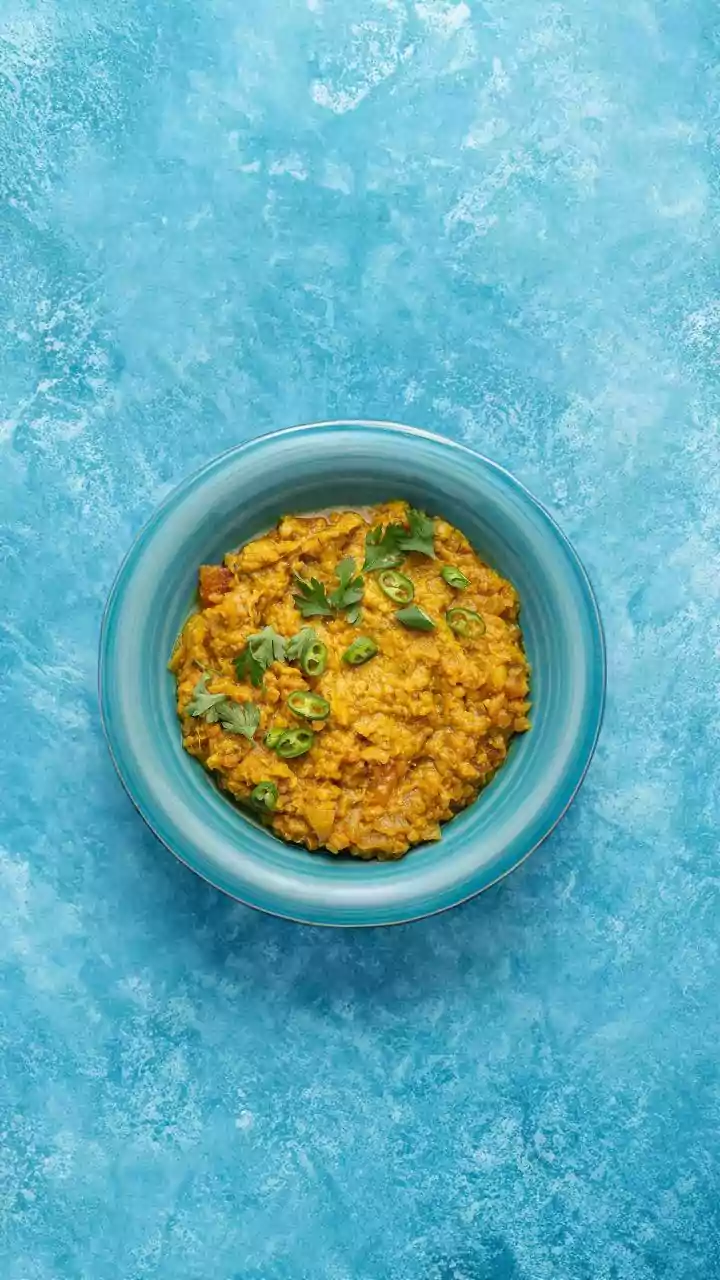
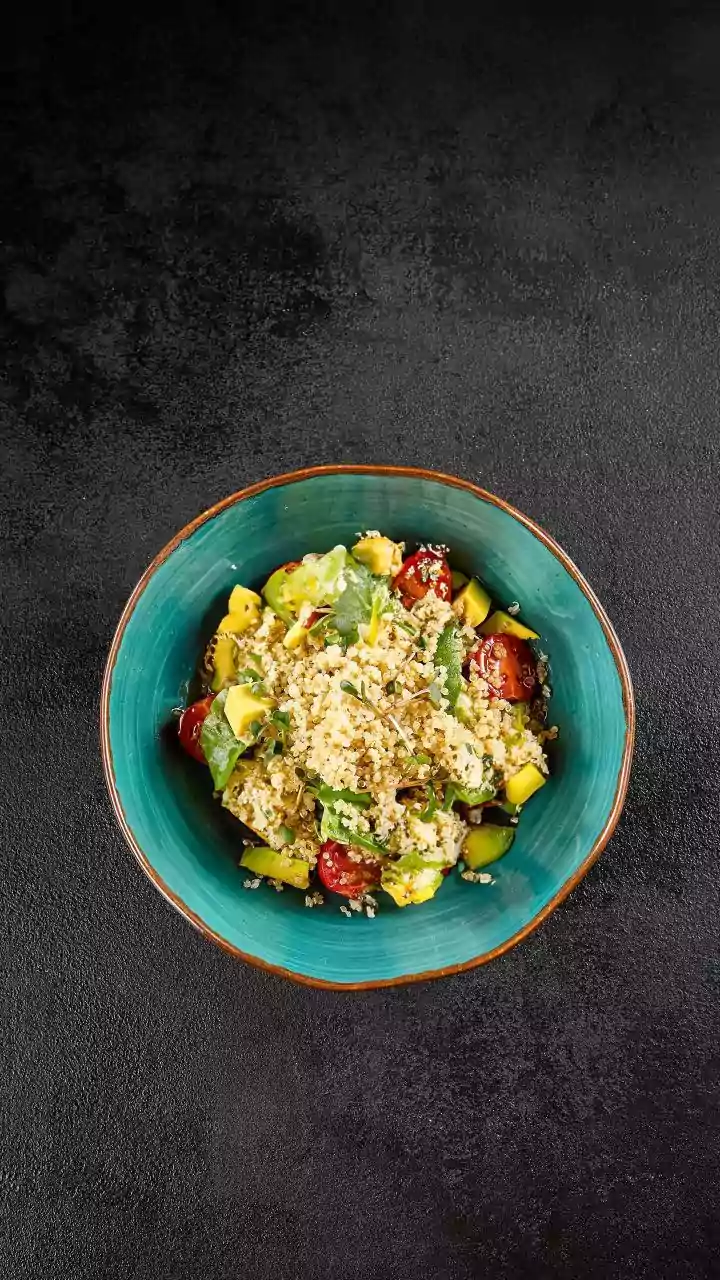
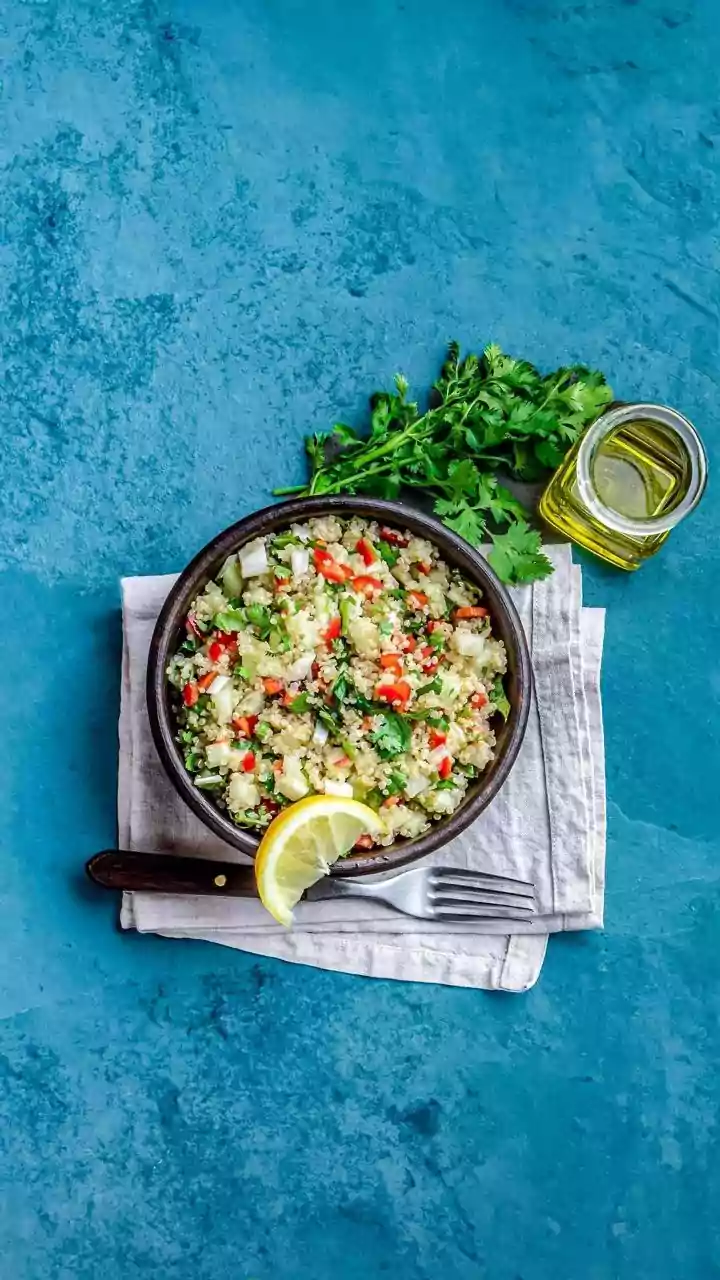
In the world of healthy eating, quinoa and lentils are both superstars. They're staples in pantries across India for good reason. But are they interchangeable? Not quite. Understanding their unique strengths is key to a truly balanced diet.
The Nutritional Showdown
When you put
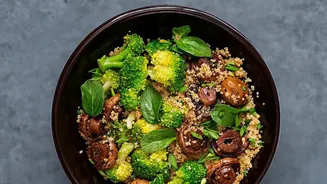
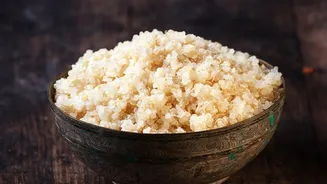
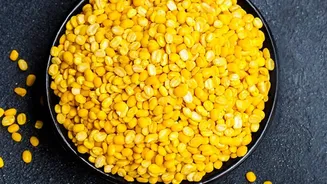
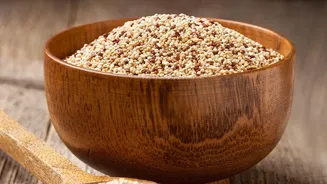
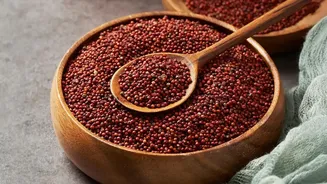
them head-to-head, lentils and quinoa both bring impressive credentials to the table, but they shine in different areas. Per cooked cup, lentils are the undisputed champion of protein and fibre, packing about 18 grams of protein and 16 grams of fibre. In comparison, quinoa offers around 8 grams of protein and 5 grams of fibre for the same serving size. This makes lentils incredibly satiating and excellent for digestive health. However, quinoa has a unique claim to fame: it's a 'complete protein', meaning it contains all nine essential amino acids your body can't make on its own. This is a rare quality for a plant-based food.
The Complete Protein Question
Quinoa's status as a complete protein makes it a convenient, high-quality protein source, especially for vegetarians and vegans. Most plant foods are 'incomplete', lacking one or more essential amino acids. Lentils, for example, are not a complete protein on their own. But this is where traditional Indian food wisdom comes into play. The age-old combination of dal with rice or roti isn't just delicious; it's nutritionally strategic. Grains like rice provide the amino acids that lentils lack, and vice-versa. Together, they form a complete protein, which is why a meal of dal-chawal is so perfectly balanced. So, while quinoa offers completeness in a single ingredient, lentils achieve it easily through common food pairings.
Energy, Blood Sugar, and Micronutrients
Both foods are great for sustained energy, but lentils tend to have a slight edge. Lentils have a lower glycemic index (GI) than quinoa, meaning they cause a slower rise in blood sugar. This is beneficial for managing energy levels and is particularly helpful for those with diabetes. When it comes to vitamins and minerals, it's a split decision. Lentils are a powerhouse of folate and iron, containing significantly more than quinoa. Quinoa, on the other hand, is richer in magnesium and manganese, minerals crucial for bone health and metabolism.
In the Kitchen: Taste and Texture
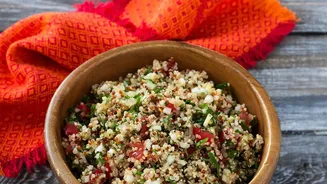
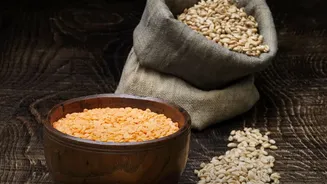
In Indian kitchens, lentils (dal) are a cornerstone, used in everything from simple tadka dals to rich makhani and sambar. They can be creamy, hearty, or firm depending on the variety and cooking method. Quinoa is a relative newcomer but is remarkably versatile. It has a mild, nutty flavour and a light, fluffy texture that works beautifully as a substitute for rice in pulao, upma, or khichdi. One important tip for cooking quinoa is to rinse it thoroughly under cold water before cooking. This removes a natural coating called saponins, which can give it a bitter or soapy taste.
The Deciding Factor: Cost and Accessibility
For most households in India, this is where the comparison becomes very clear. As a homegrown staple, lentils are incredibly affordable and available in every kirana store across the country. Prices can range from ₹70 to ₹120 per kilogram, depending on the type of dal. Quinoa, while increasingly cultivated in India, is still positioned as a premium 'superfood'. It often costs anywhere from ₹200 to over ₹400 per kilogram, making it several times more expensive than lentils. From a value-for-money perspective, lentils provide superior nutrition for the price, making them the more practical choice for daily consumption.