





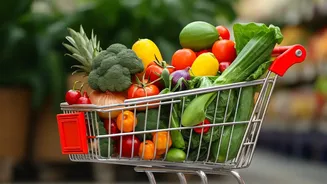

The Real Cost of Kitchen Waste
Food waste is a significant issue in India, with households being major contributors. According to the UN Environment Programme's 2024 Food Waste Index Report, Indian households generate approximately 78.2 million tonnes of food waste annually. This translates
to about 55 kg per person each year. This isn't just about the food that is thrown away; it's also about the wasted water, energy, and labour that went into producing it. For many families, this also translates into a tangible financial loss, with estimates suggesting that thousands of rupees worth of food are discarded every year due to over-purchasing and spoilage. The good news is that tackling this problem doesn't require a radical overhaul, but rather a return to a core principle of traditional Indian cooking: thoughtful planning.
The Smart List Starts with a Meal Plan
A 'smart' grocery list is more than just a piece of paper; it’s the final step of a well-thought-out weekly meal plan. The single most effective way to curb food waste is to decide what you will eat before you shop. Start by mapping out your meals for the week—at least dinners and lunches. Consider your family's schedule: which nights will be busy? Who needs a packed tiffin? Answering these questions helps you create a realistic plan. This process prevents the impulse buys and 'just-in-case' vegetables that often end up in the bin. A structured meal plan is the foundation for buying only what you truly need.
Shop Your Pantry and Fridge First
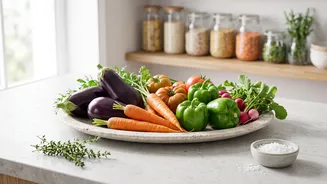
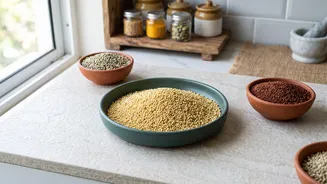
Before you write down a single item, take inventory of what you already have. Check your pantry for dals, grains, and spices. Look in your fridge for vegetables that need to be used up. That half a cabbage or the small portion of paneer can be the starting point for one of your weekly meals. This 'shop-at-home' first approach ensures that older ingredients are used before new ones, embedding the 'first-in, first-out' (FIFO) principle into your kitchen routine and preventing items from getting lost in the back of a cupboard until they expire.
Buy Smaller, Buy Smarter
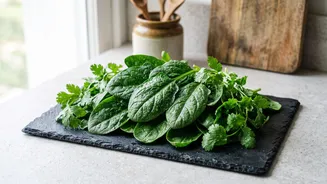
Indian cooking relies heavily on fresh ingredients, but buying them in bulk can be a false economy. While a large bag of spinach or a kilogram of tomatoes might seem cost-effective, it often leads to waste when they spoil before you can use them. Modern shopping habits are shifting towards buying smaller quantities more frequently. Instead of a large weekly vegetable haul, consider two smaller trips or using quick-delivery apps for perishables. This ensures produce is always fresh and you buy closer to your actual consumption needs, drastically reducing spoilage.
Mastering the Art of Leftovers
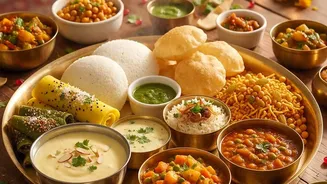
The philosophy of 'waste not, want not' is deeply ingrained in Indian culinary tradition, and modern kitchens are finding creative ways to embrace it. Yesterday’s dal can be used to knead a soft, flavourful dough for parathas. Leftover sabzi can be mashed, mixed with besan, and turned into delicious cutlets or tikis. Plain rice is a blank canvas for a quick fried rice or a comforting masala rice. Even leftover idlis can be stir-fried with onions and spices for a new dish. Viewing leftovers not as a burden but as a head-start on the next meal is a key mindset shift that saves time, money, and food.
Proper Storage Is a Game-Changer
Your efforts in smart shopping can be undone by poor storage. Knowing how to store different types of produce can extend their life significantly. Leafy greens like spinach and coriander last much longer when washed, thoroughly dried, and stored in an airtight container lined with a paper towel. Onions and potatoes should be kept in a cool, dark place, but separately, as onions can cause potatoes to sprout faster. Storing ingredients correctly is a simple but powerful way to ensure the food you bought with such intention stays fresh until you're ready to use it.