







The Problem with a Single Number
For decades, India's nutrition policy was shaped by the goal of food security, which primarily focused on ensuring people had enough to eat. This led to an emphasis on calories and staple grains like rice and wheat. While crucial in fighting hunger, this
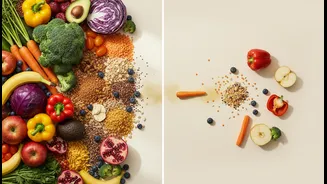
“single-number” approach is now proving insufficient. Today, India faces a 'dual burden' of malnutrition: the persistence of undernutrition and stunting, alongside a rapid rise in obesity, diabetes, and heart disease. Focusing only on calorie intake misses the bigger picture of diet quality, where the type of food consumed is as important as the quantity. A diet heavy in refined carbohydrates and processed items might meet calorie needs but can be poor in essential micronutrients, contributing to long-term health problems.
What's in India's Changing Food Basket?
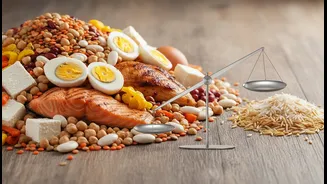
Economic growth, urbanization, and cultural shifts have dramatically altered what Indians eat. There's a noticeable move away from traditional staples like coarse cereals and pulses towards more processed and energy-dense foods. Consumption of fats, oils, sugars, and animal products has increased, while intake of fibre-rich grains has declined. This 'nutrition transition' is visible in both urban and rural areas. Factors like rising incomes, more women in the workforce, the convenience of packaged foods, and aggressive marketing have all played a part. E-commerce platforms report that healthier alternatives like cold-pressed oils and protein oats are growing fast, but this is happening alongside the broader shift towards processed items that replace traditional meals.
The Health Consequences of This Shift
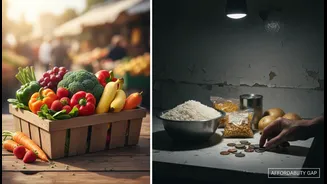
The dietary shift is directly linked to India’s escalating public health crisis. Diet-related non-communicable diseases (NCDs) now account for over 60% of all deaths in the country. An increase in the consumption of processed foods high in salt, sugar, and unhealthy fats contributes directly to rising rates of obesity, hypertension, and type 2 diabetes. This problem often starts early in life, with poor childhood nutrition creating risks that extend into adulthood. The affordability of nutritious food remains a significant barrier for many rural and low-income households, who may rationally choose cheaper, energy-dense but nutrient-poor options to feed their families.
A New Vision for Nutrition Policy
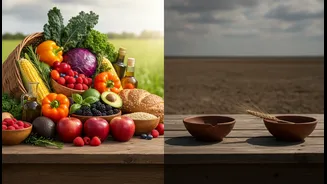
Recognizing these challenges, there is a growing call to move nutrition policy beyond its historical focus on staple grains. A modern approach involves creating 'food-based dietary guidelines' that emphasize overall diet quality and diversity. Institutions like the National Institute of Nutrition have published guidelines that advocate for a balanced diet, encouraging plenty of fruits and vegetables, moderate use of oils and animal products, and minimal consumption of highly processed foods. Effective policy interventions could include promoting the production and availability of diverse crops like millets and pulses, improving front-of-pack food labelling to help consumers make informed choices, and considering fiscal measures on unhealthy foods.
Empowering Healthier Household Choices
Ultimately, policy changes must translate into better choices at the household level. This requires more than just telling people what to eat; it involves making healthy options accessible and affordable. Government initiatives like the Public Distribution System (PDS) could be reformed to include more nutritious items like pulses, not just cereals. Public awareness campaigns are crucial for improving nutrition literacy, helping people understand food labels and the long-term benefits of a balanced diet. Empowering consumers to navigate the modern food environment is key to bridging the gap between knowing what is healthy and being able to put it on the dinner table every day.