





Your Backpack: The First Line of Defence
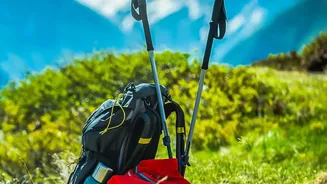
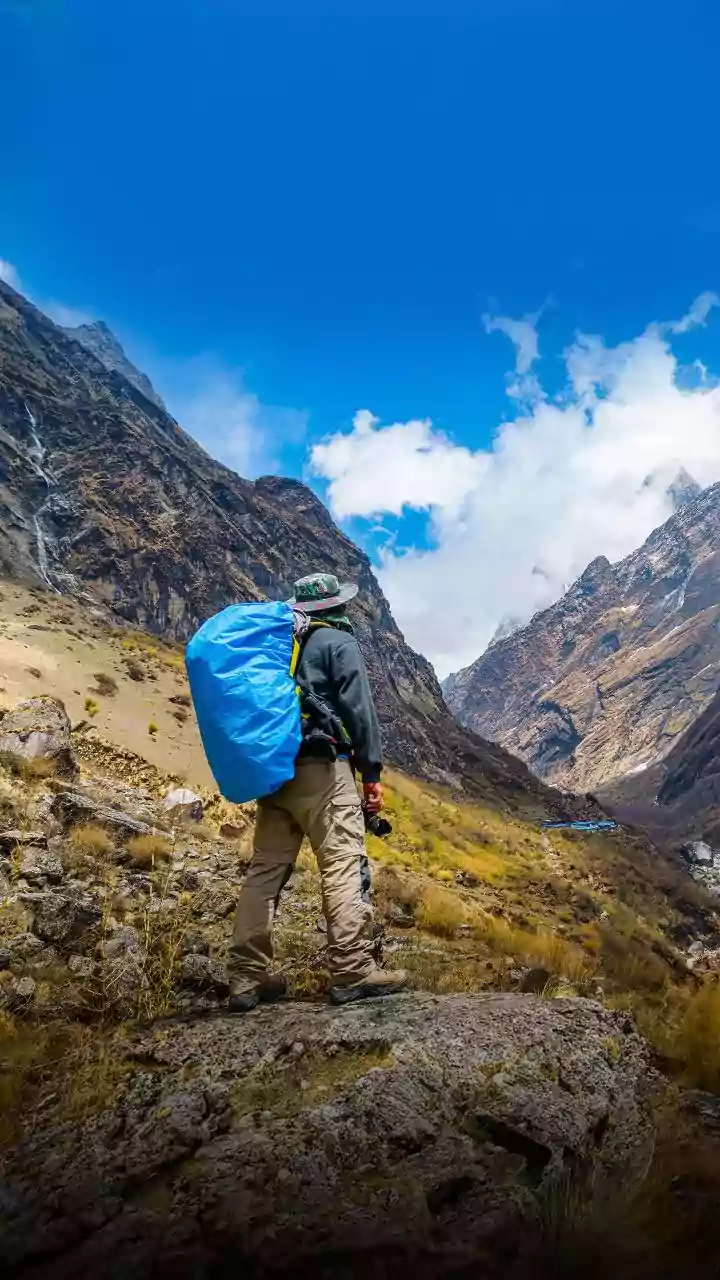
Your trek begins and ends with your backpack, making its protection paramount. While most modern backpacks are made of water-resistant material, this is not the same as waterproof. Sustained downpours, which are common in the Ghats, will eventually seep
through. The most common solution is a rain cover. However, experienced trekkers know this isn't enough. Water can still run down your back and soak through the part of the pack that a cover doesn't reach. The golden rule is double protection: an external rain cover combined with an internal liner. A large, heavy-duty plastic bag or a purpose-built pack liner inside your rucksack creates a truly waterproof barrier for all its contents. This two-layer system ensures that even if your bag gets drenched on the outside, your gear inside remains completely dry.
For Your Clothes: The Art of Compartmentalisation
There's nothing more demoralising than reaching your campsite to find your spare set of clothes is damp. The key to keeping clothes dry is to pack them in separate, waterproof bags within your main pack liner. Simple polybags can be remarkably effective for separating wet and dry clothes. For better organisation and space-saving, consider using compression dry sacks. These allow you to squeeze the air out, reducing bulk while providing excellent water protection. Pack a dedicated 'dry set'—a pair of socks, a t-shirt, and pants—in its own sealed bag that you only open inside your tent. This guarantees you have something warm and dry to change into at the end of a long, wet day. Remember to avoid cotton clothing, as it absorbs a massive amount of water and takes a very long time to dry in high humidity.
Gadget Protection: Securing Your Electronics
Your phone, camera, and power bank are often your most vulnerable and valuable items. Water damage can mean losing your navigation, emergency contact, and precious memories. Standard ziplock bags are a trekker's best friend for basic moisture protection. You can place your phone, spare batteries, and power bank inside individual ziplock bags. For added security, especially when crossing streams or during heavy downpours, a dedicated waterproof pouch with a secure roll-top or ziplock mechanism is a worthwhile investment. Many of these allow you to use your phone's touchscreen through the transparent material. Small dry bags, often sold in 5L or 8L sizes, are perfect for protecting larger items like a camera or a collection of smaller gadgets. Throwing a few silica gel packets into your electronics bag can also help absorb any ambient moisture that gets in.
Documents and Valuables: Don't Overlook the Basics
Your ID cards, money, and any necessary permits are just as important as your electronics. While they might not be as susceptible to damage from a little dampness, a thorough soaking can ruin them. The simplest and most effective method is to use a high-quality, sealable ziplock bag. Group all your essential documents—Aadhaar card, driver's license, cash, and permits—into one pouch. Keep this pouch in an easily accessible but secure pocket, preferably an internal one within your backpack. This not only keeps them dry but also ensures you can quickly retrieve them when needed without exposing the main contents of your pack to the rain. For those who want an extra layer of confidence, small, waterproof document holders used for water sports are also an excellent option.