








The Science of Satiety
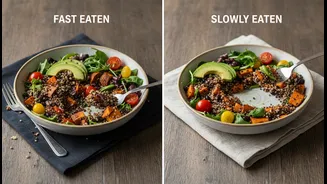
When you eat, your body initiates a complex hormonal conversation between your gut and your brain. It takes approximately 20 minutes for signals of fullness to be sent and received. Eating quickly can mean you consume more food than your body needs before
your brain gets the message that you are full. This delay is why fast eaters often feel uncomfortably stuffed after a meal. Studies consistently show a link between faster eating speeds and higher Body Mass Index (BMI), increased waist circumference, and greater visceral fat—the dangerous fat surrounding your organs. In one study of adults in Gujarat, India, fast eaters demonstrated significantly higher BMI and visceral fat levels compared to their slower-eating counterparts, suggesting that a rapid pace contributes directly to greater adiposity.
Your Gut's Hormonal Dialogue
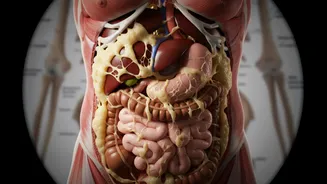
The feeling of fullness isn't just about the physical volume of food in your stomach; it's managed by a team of hormones. Ghrelin, known as the 'hunger hormone', stimulates your appetite. Conversely, hormones like Peptide YY (PYY) and Glucagon-like peptide-1 (GLP-1), released from the intestines after you start eating, signal satiety to your brain. When you eat slowly, you give your body more time to produce and respond to these satiety hormones. Research has shown that eating a meal over 30 minutes, compared to just five, leads to significantly higher levels of PYY and GLP-1. This enhanced hormonal response helps you feel more satisfied and can prevent overconsumption, not just during the meal itself but potentially for hours afterward.
Diet Quality: You Are How You Chew
Eating speed isn't just about willpower; it’s heavily influenced by what you’re eating. Highly processed foods are often soft and easy to consume quickly, whereas whole foods rich in fibre, like vegetables, fruits, and lean proteins, require more chewing. This mechanical process of breaking down food naturally slows you down. Choosing these types of foods not only improves the nutritional quality of your diet but also forces you into a more mindful eating pace. This built-in braking system enhances digestion and gives your satiety hormones the time they need to work effectively, creating a synergistic effect where better food choices promote better eating habits. Mindful eating practices have been linked to higher diet quality and a greater intake of fruits and vegetables.
The Activity and Mindset Connection
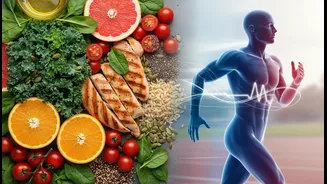
While some studies have not found a direct link between physical activity levels and eating speed, combining mindful eating with an active lifestyle is a powerful strategy for managing body composition. Physical activity itself can influence appetite-regulating hormones. When you pair exercise with slower, more intentional eating, you create a holistic approach to health. Mindful eating helps you tune into your body's actual energy needs, preventing the common pitfall of overeating as a 'reward' for a workout. This practice fosters a healthier relationship with food, reduces emotional or stress-induced eating, and supports sustainable, long-term habits for both weight management and overall well-being.
Simple Steps to Slow Your Pace
Slowing down doesn't require a stopwatch. Start by creating a distraction-free environment; put away your phone and turn off the television. Pay attention to the sensory details of your food—its taste, texture, and aroma. Try putting your utensils down between bites or taking a sip of water to create natural pauses. Aiming for 20 to 30 chews per bite can also help, as it aids digestion and slows your pace. Another simple trick is to use your non-dominant hand to eat or try using chopsticks. These small adjustments help you become more attuned to your body’s hunger and fullness cues, turning mealtime from a race into a more enjoyable and satisfying experience.