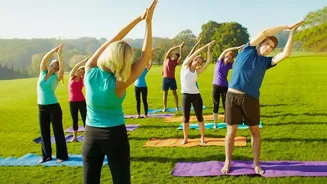







The Real Power of Just Five Minutes
The thought of a one-hour gym session can be daunting, but almost anyone can find five minutes. Experts increasingly agree that these short bursts of activity, sometimes called 'exercise snacks', offer significant benefits. Studies show that even brief
periods of movement can boost your mood, improve mental clarity, lower blood pressure, and strengthen muscles. The key isn't intensity or duration, but consistency. A five-minute workout you do every day is far more effective than a one-hour session you never start. This approach dismantles the 'all-or-nothing' mindset that derails so many fitness journeys. It proves that small, repeatable actions build momentum and create lasting habits.
What Does a 'Comfortable Pace' Mean?
Starting at a 'comfortable pace' is about protecting yourself from burnout and injury, not about being lazy. For a beginner, it means choosing movements that feel manageable and not pushing to the point of pain. A good rule of thumb is the 'talk test': you should be able to speak a few words but not sing. It’s about listening to your body and respecting its current limits. Trying to do too much, too soon is a common mistake that leads to quitting. By starting slowly, you build confidence and allow your body to adapt. Progression will come naturally. Once your routine feels stable, you can gradually increase the duration or challenge, but the initial goal is simply to show up consistently.
Simple Routines to Get You Started
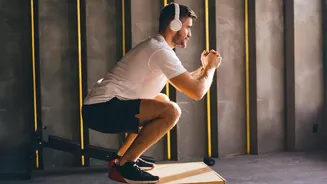
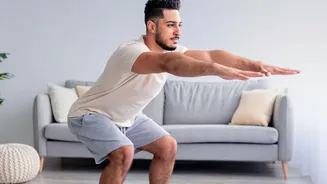
A balanced five-minute routine doesn't require any equipment and can be done anywhere. The goal is to touch on strength, cardio, and mobility. Try setting a timer for five minutes and rotating through a few simple exercises. For a full-body circuit, you could perform each of the following for 45 seconds, with 15 seconds of rest in between: 1. Bodyweight Squats: Stand with feet shoulder-width apart and lower your hips as if sitting in a chair, keeping your chest up. 2. Wall or Knee Push-ups: Place hands on a wall (easier) or the floor with knees down (harder) and lower your chest. 3. Jumping Jacks or High Knees: A simple way to get your heart rate up. 4. Plank: Hold a straight line from your head to your heels, engaging your core. 5. Glute Bridges: Lie on your back with knees bent and lift your hips toward the ceiling.
Building a Habit That Actually Sticks
Psychology tells us that habits are built on a loop of cue, routine, and reward. To make your five-minute workout stick, link it to an existing part of your day. For example, decide to exercise right after you brush your teeth in the morning or while your coffee is brewing. This creates a powerful cue. The routine is the workout itself. The reward can be the feeling of accomplishment or a natural boost in energy. Laying out your workout clothes the night before removes friction and makes the decision to start easier. Don't get discouraged if you miss a day. The most important thing is to get back to it the next day without judgment. Lasting change is about consistency, not perfection.