




The City That Never Cools Down
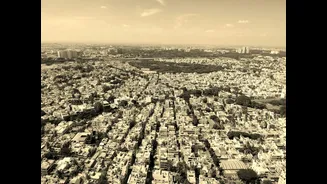
Metros like Delhi, Mumbai, and Bengaluru are increasingly becoming 'urban heat islands'. This means they are significantly warmer than the surrounding rural areas. During the day, the difference might be a few degrees, but the real issue begins after
sunset. Materials like concrete, asphalt, and dark roofing absorb immense solar radiation all day. Instead of cooling down quickly like a grassy field, these surfaces act like giant storage heaters, slowly releasing warmth throughout the night. This keeps the ambient temperature artificially high, often by 2–5°F (1-3°C) or even more, creating a persistent bubble of heat.
Trapped by 'Street Canyons'
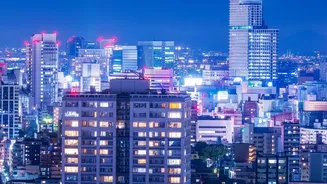
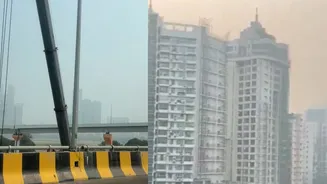
The very structure of our cities contributes to this nighttime warming. Tall buildings packed closely together create what scientists call 'street canyons'. This layout prevents heat from radiating up and away into the cooler night sky. Instead, the heat bounces between building walls, remaining trapped at street level where people live and sleep. This effect is compounded by a lack of green spaces like parks and tree cover, which would naturally cool the air through shade and a process called evapotranspiration. To make matters worse, waste heat from air conditioners, vehicles, and industrial processes adds even more warmth to the urban environment.
Why Your Body Needs the Cold to Sleep
Sleep is not just about turning off your brain; it's a complex physiological process. To initiate and maintain deep sleep, your core body temperature needs to drop by a degree or two. This drop acts as a crucial signal for your body to produce melatonin, the sleep hormone. When your bedroom is too warm because the city outside refuses to cool down, your body struggles to shed this heat. This interference prevents you from descending into the most restorative stages of sleep: slow-wave deep sleep and REM sleep.
The Toll of Lost Deep Sleep
Consistently missing out on deep and REM sleep is more than just an inconvenience that leaves you feeling groggy. These stages are critical for physical and mental restoration. Deep sleep is when your body repairs tissues, strengthens its immune system, and consolidates memories. REM sleep is vital for emotional processing and cognitive function. Chronic disruption due to heat can lead to fragmented rest, increased wakefulness during the night, and a feeling of exhaustion the next day. Over time, this can compromise your immune system, impair focus, and worsen mood, affecting overall health and well-being.
Designing Cooler, Healthier Cities
The good news is that this is a problem with solutions. Cities can actively combat the heat island effect. Strategies include implementing 'cool roofs' with reflective coatings that absorb less heat and increasing urban green cover by planting more trees and creating parks. These measures provide shade and promote natural cooling. Other innovative solutions involve using permeable pavements that retain moisture and designing buildings to allow for better airflow. By making our urban environments cooler, we can not only reduce energy consumption from air conditioning but also directly improve public health by allowing residents to get the deep, restorative sleep they need.