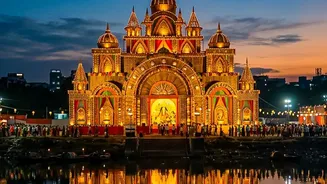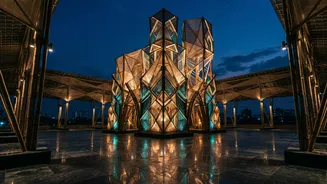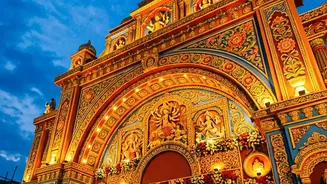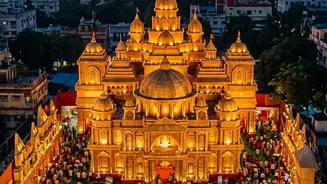



The Pandal: An Open-Air Art Gallery
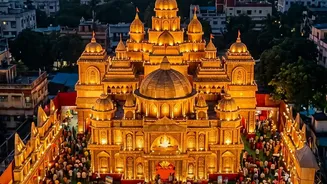
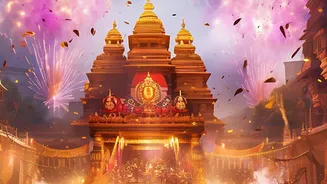
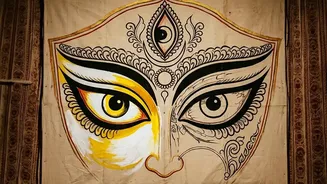
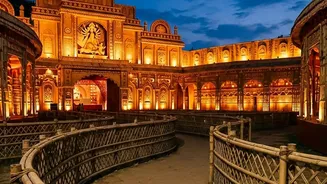
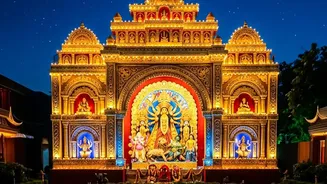
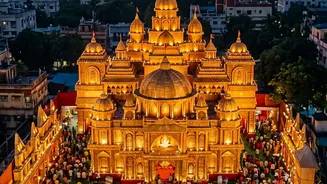
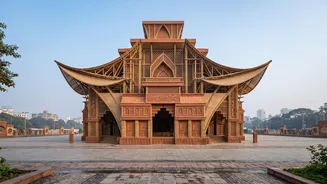
First, what exactly is a pandal? Think of it less as a temporary tent and more as a monumental, walk-in art installation. Each year, neighbourhoods across Kolkata create these elaborate structures to house the idol of Goddess Durga. The designs range
from replicas of famous temples to abstract concepts highlighting social issues. While the peak viewing days of Saptami and Ashtami (October 18-19) have just passed, many of these stunning creations will still be standing, offering a chance to appreciate the artistry without the overwhelming crowds.
North vs. South: A Tale of Two Pujas
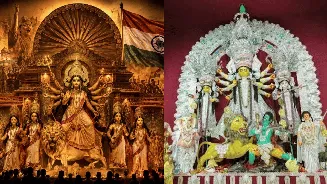
Pandal hopping in Kolkata is often divided by geography: North and South. North Kolkata is the heartland of tradition. Pandals here, like the famous Bagbazar Sarbojanin, often feature the classic 'ekchala' idol, where Durga and her children are framed against a single backdrop. The vibe is nostalgic and rooted in century-old customs. In contrast, South Kolkata is known for its grand, innovative, and often competitive themes. Organizers like Suruchi Sangha and Ekdalia Evergreen are famous for their larger-than-life concepts and artistic brilliance, which draw massive crowds.
The Grand Finale: Idol Immersion
Even though the main festival days concluded on Vijaya Dashami (October 21), you've arrived just in time for one of its most poignant spectacles: the immersion, or 'Bhasan'. Over the next few days, processions will carry the idols to the Hooghly river. The ghats, especially popular ones like Babughat and Prinsep Ghat, will be scenes of music, dancing, and heartfelt farewells as the Goddess is returned to the water. Several operators even offer boat cruises to witness the event from the river.
Navigating the City's Festive Afterglow
With the peak pandal-hopping rush over, getting around the city becomes much easier. The Kolkata Metro, the lifeline for festival-goers with its special all-night services during the peak days, will be returning to a more regular schedule. While traffic is still lively, it's far more manageable than during the nights of Ashtami and Navami. This is the perfect time to explore different neighbourhoods, many of which are still adorned with spectacular light installations, soaking in the festive atmosphere at a more relaxed pace.
A Feast for the Senses
Durga Puja is as much a culinary festival as it is a religious one. You haven't missed out on the food. Kolkata's streets are still an epicurean delight. Be sure to try iconic street foods like phuchka (a spicier cousin of pani puri), kathi rolls, and ghugni (a curried pea stew). Many community pandals offer 'bhog'—a blessed food offering, typically khichuri and a mixed vegetable dish called labra—which is a quintessential Puja experience. Restaurants, from small eateries to fine dining establishments, continue to offer their special Puja menus, serving Bengali delicacies like kosha mangsho (slow-cooked mutton) and chingri malai curry (prawns in coconut cream).
What to Wear and Remember
Comfort is key. You'll be doing a lot of walking, so comfortable footwear is non-negotiable. For attire, light, breathable fabrics like cotton are ideal for Kolkata's humid climate. While people dress in their festive best, there's no strict dress code for pandal hopping. However, modest and respectful clothing is always a good idea, especially when visiting the more traditional or family-run pujas. Many pandals require you to remove your shoes before entering the main sanctum, so easy-to-remove footwear is a practical choice.