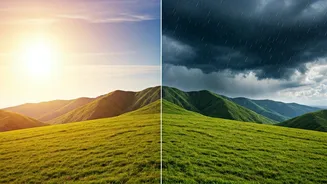









The Great Indian Weather Gamble
Planning any outdoor activity in India often feels like a gamble. The country’s vast and varied climate means travellers are constantly up against the elements. The period from June to September brings the much-needed monsoon, which, while romantic and vital
for agriculture, can bring tourism to a standstill. Foreign tourist arrivals, for example, dip significantly during these months. On the other end of the spectrum are the increasingly frequent and intense heatwaves. With temperatures soaring into the mid-40s Celsius, visiting monuments or exploring nature reserves during the day becomes not just uncomfortable, but dangerous. This extreme weather forces a difficult choice on travellers: cancel plans, or brave the conditions and risk a miserable experience. The result is that travel patterns are already shifting, with people avoiding peak summer and seeking cooler, high-altitude destinations, sometimes leading to overcrowding in fragile ecosystems.
Why Your Weather App Isn't Enough
A standard weather forecast is no longer sufficient for smart travel planning. An app can tell you there’s a 70% chance of rain, but it can’t tell you what to do instead. It can warn you of a 45°C day, but it won’t help you build a viable itinerary around it. This is where the idea of a 'rain-and-heat filter' comes in. It’s not a literal device, but a much-needed evolution in how we plan our journeys. We need tools and a mindset that go beyond simple data to offer genuine solutions. The current approach is reactive; we check the weather and hope for the best. A filtered approach would be proactive, building resilience and flexibility directly into our travel plans from the very beginning.
Imagining a Smarter Itinerary
So, what would this 'filter' look like in practice? Imagine a travel planning app that doesn't just show you what to see, but tells you how and when to see it based on weather patterns. If a heavy downpour is predicted for the afternoon in Goa, the app could suggest a visit to a spice plantation in the morning, followed by an itinerary of indoor activities like a visit to a local museum or a cooking class. For a trip to Rajasthan during a heatwave, a smart itinerary would schedule outdoor fort visits for the early morning and late evening, filling the sweltering midday hours with recommendations for air-conditioned galleries, long lunches in shaded courtyards, or even a nap. This dynamic planning would involve flexible ticketing options, curated lists of weather-appropriate alternative sights, and real-time alerts that not only warn but also guide. This shifts the focus from avoiding bad weather to adapting to it.
The Tools We Have (and What's Missing)
Several existing apps are starting to touch upon these ideas. Packing list apps like PackPoint can create checklists based on the weather forecast for your destination. Planners like TripIt organize your bookings, and navigation tools like Google Maps are essential for getting around. Some platforms even offer AI-powered itinerary generation. However, few, if any, seamlessly integrate real-time weather data to dynamically suggest and re-route your day’s activities. The missing piece is the intelligent layer that connects weather forecasts to actionable, enjoyable alternatives. Tech startups are exploring weather-based recommendation systems, but these are not yet mainstream. The official India Meteorological Department (IMD) provides crucial color-coded alerts, which are vital for safety, but a tourist needs the next step: a system that translates a 'Red Alert' into a concrete Plan B.
A New Mindset: Embracing the Elements
Ultimately, the most powerful filter is a change in our own mindset. The monsoon, for instance, is no longer seen by many as a complete deterrent to travel. For some, it's an opportunity to see landscapes erupt in lush greenery, witness waterfalls in full force, and enjoy popular sites with fewer crowds. Hotels and airlines often offer significant discounts, making luxury travel more accessible. Similarly, adapting to heat might mean embracing a more relaxed, siesta-like travel rhythm, focusing on experiences that are best enjoyed in the cooler parts of the day. Instead of viewing rain or heat as a spoiler, we can see it as an authentic part of the destination's character. A flexible attitude, combined with a willingness to have a backup plan, can transform a potentially ruined trip into a unique and memorable adventure.