


What Exactly is a Dark Store?
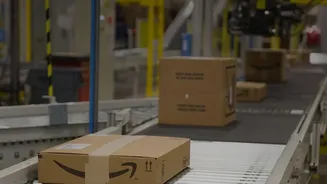
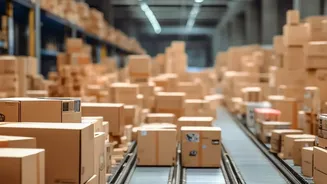
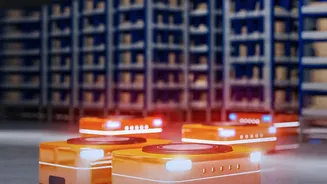
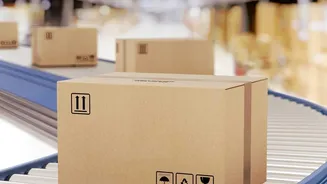
Imagine a supermarket that no customer ever enters. The aisles are organised for maximum speed, not for a pleasant shopping experience. That's a dark store. These facilities are mini-warehouses, often located in densely populated urban areas, designed
for one purpose only: to fulfil online orders with lightning speed. When you order your groceries or essentials on an app, an employee—known as a picker—inside the nearest dark store quickly gathers the items, which are then packed and handed over to a delivery partner. This model is the engine of quick commerce (q-commerce), enabling companies like Blinkit, Zepto, and Swiggy Instamart to deliver goods in as little as 10 to 30 minutes.
The Push Beyond the Metros
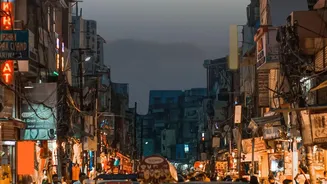
For years, quick commerce was a phenomenon concentrated in major metros like Mumbai, Delhi, and Bengaluru. Now, the real growth story is unfolding in Tier 2 cities such as Lucknow, Jaipur, Coimbatore, and Chandigarh. Companies are aggressively expanding their dark store networks into these markets. This expansion is driven by rising smartphone penetration, growing digital payment adoption, and an increasing consumer appetite for convenience beyond the big cities. For companies, Tier 2 locations also offer significant economic advantages, including lower rents and labour costs compared to their metro counterparts. With over 150 Tier 2 cities already hosting dark stores and more being added rapidly, these locations are the new battleground for India's q-commerce giants.
A New, Accessible Career Ladder
The explosion of dark stores is creating a massive wave of new jobs. The quick commerce sector is projected to create half a million new blue-collar jobs, with roles ranging from delivery partners and warehouse associates to logistics coordinators and store managers. Unlike traditional jobs that may require lengthy interview processes and formal degrees, many dark store roles offer streamlined, digital onboarding, allowing new hires to start earning within days. For many jobseekers in Tier 2 cities, these positions represent a formal entry into India’s booming logistics sector, which now contributes nearly 14% to the national economy. It provides a structured work environment with predictable shifts and clear responsibilities.
More Than Just a Gig
While delivery partners are the most visible part of the quick commerce ecosystem, dark stores offer a surprising variety of indoor career paths. Roles like 'picker' and 'packer' are ideal for those who prefer an organised, indoor environment. These jobs involve managing inventory, fulfilling orders, and ensuring stock accuracy—all critical skills in the modern supply chain. Furthermore, these entry-level positions often come with clear paths for advancement. A diligent picker can become a shift supervisor or an assistant store manager within a couple of years, leading a team and overseeing operations for a facility that handles high-value inventory. Companies are also investing in upskilling programs, training workers in technology adoption and operations management to build a sustainable workforce.
The Appeal for Tier 2 Jobseekers
For young people in smaller cities, a job in a dark store offers a compelling package. The salaries are competitive for the local market, with many roles offering a monthly base of around ₹22,600, plus performance-based incentives. The work provides an opportunity to engage with the technology and processes driving one of India's fastest-growing industries. It’s a chance to build a career in the rapidly expanding supply chain sector without needing to relocate to a more expensive metropolitan area. As quick commerce companies continue their expansion, these hyperlocal fulfillment centres are becoming one of the most important new sources of formal employment, offering stability and growth for a new generation of the workforce.