






The Great Indian Coffee Awakening
Something fundamental is shifting in how Indians, particularly the younger generation, perceive and consume coffee. The once-dominant culture of instant coffee, valued for its speed and caffeine kick, is now making way for a more thoughtful and artisanal
approach. This movement, often called the "third wave" of coffee, treats the beverage like fine wine or craft chocolate, prioritizing quality, origin, and flavour over sheer convenience. This isn't just a niche trend confined to a few urban pockets; it's a nationwide awakening. The Indian specialty coffee market is experiencing explosive growth, projected to more than double in value between 2025 and 2031. This surge is powered by Millennials and Gen Z, who are curious, globally connected, and increasingly seeking authenticity in what they consume.
What is Single-Origin Estate Coffee?
For the uninitiated, the terminology can seem daunting. A "single-origin" coffee simply means that the beans come from a single known geographical location, often a single farm or estate. This is the opposite of a blend, which combines beans from various locations to achieve a consistent flavour profile. An "estate roast" takes this a step further, indicating that the coffee comes from a specific, named farm, like Ratnagiri Estate in Chikmagalur or Harley Estate in Coorg. The appeal lies in traceability and terroir—the unique environmental factors of the growing region that give the beans a distinct character. This allows drinkers to taste the specific flavour notes of a place, whether it's the chocolatey smoothness of a Chikmagalur Arabica or the fruity, complex notes of a coffee from the Araku Valley.
Meet the New Coffee Connoisseurs
The driving force behind this trend is a new generation of consumers with evolving values. For young, urban Indians, coffee is no longer just a functional beverage; it's an experience and a form of self-expression. This demographic is more interested in the story behind their cup: who grew the beans, how they were processed, and the ethical and environmental impact of their purchase. They are willing to pay a premium for quality and are actively educating themselves through café experiences and social media. The explosion of specialty cafes like Blue Tokai, Third Wave Coffee, and numerous independent roasters has been both a cause and effect of this trend, serving as educational hubs that introduce a generation to pour-overs, cold brews, and the nuances of freshly roasted beans.
India's Coffee Hotspots Come of Age
While India is a top global coffee producer, for years, its best beans were primarily exported. Now, that high-quality coffee is being celebrated at home. The country's coffee-growing regions, primarily concentrated in the Western and Eastern Ghats, are becoming stars in their own right. Karnataka, with its famed regions of Chikmagalur and Coorg, is the heartland, producing beans known for their balanced, chocolatey, and smooth profiles. But other areas are also gaining recognition, including the Shevaroy Hills in Tamil Nadu and the Araku Valley in Andhra Pradesh, the latter known for its coffee grown by indigenous farmers. Roasters are now proudly highlighting these Indian terroirs, allowing consumers to connect directly with the land and the farmers who cultivate their coffee.
From a Cup to a Culture
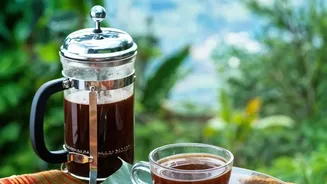
The shift from instant to estate roasts signifies more than just a change in taste. It reflects a broader cultural movement towards mindful consumption, local pride, and the pursuit of premium experiences. The home-brewing scene has also seen a massive jump, with enthusiasts investing in grinders, pour-over kits, and other equipment to replicate the café experience at home. Cafes have transformed into 'third places'—hubs for work, socializing, and community building, especially in a post-pandemic world with a rise in remote work. This growing ecosystem, from the farmer experimenting with new processing methods to the urban consumer savouring a single-origin pour-over, indicates that India's coffee culture has truly come of age, moving from a commodity to a craft.