




For many plant parents, the gentle spritz of a mister is a satisfying ritual. But this simple act of care, if timed incorrectly, can do more harm than good. The key to healthy, happy foliage isn't just about if you mist, but when you do.
Why a Morning Mist is Best
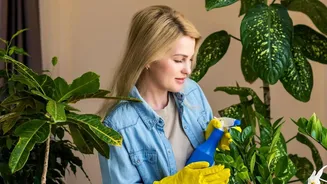
Misting your houseplants
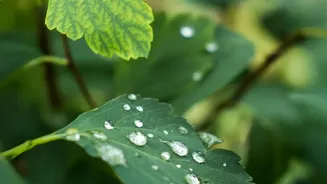
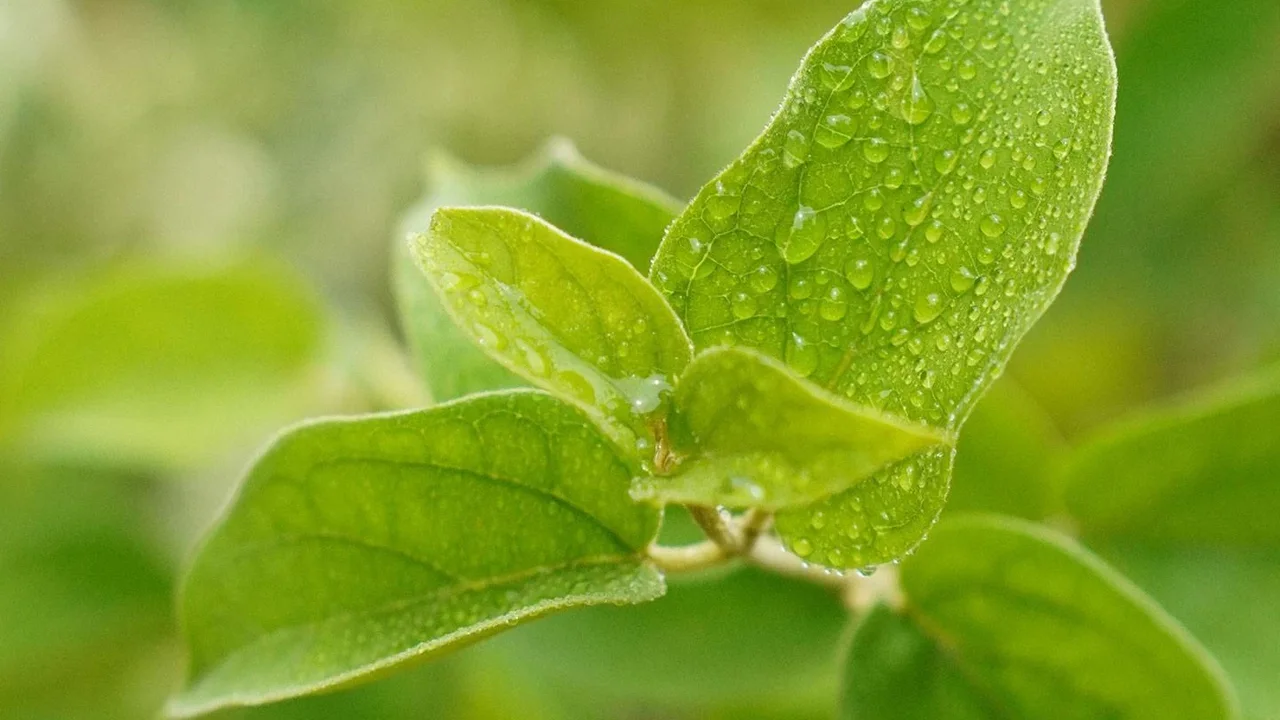
in the morning is the widely recommended practice among horticulturists. This timing aligns with a plant's natural cycle. In nature, plants often encounter morning dew, which evaporates as the sun rises and temperatures warm. A morning mist gives the leaves the entire day to dry out, aided by natural light and air circulation. This prevents water from sitting on the foliage for extended periods. Using room-temperature water is also crucial, as cold water can shock the leaves. A fine spray that creates a dewy appearance rather than large, dripping droplets is ideal for providing a temporary boost of moisture without waterlogging the plant.
The Dangers of an Evening Spray
The primary risk of misting plants in the evening or at night is the prolonged dampness it creates on the leaves. Water that lingers on foliage overnight in a room with poor air circulation creates the perfect breeding ground for fungal and bacterial diseases. Conditions like powdery mildew, which appears as white, powdery spots, can thrive in such high-humidity environments. While some types of mildew prefer dry leaves in humid air, many other fungal issues like leaf spot and rot are encouraged by wet surfaces. If leaves remain wet for hours, especially in the dark, you are inadvertently inviting pathogens that can weaken or even kill your plant.
Know Which Plants to Mist
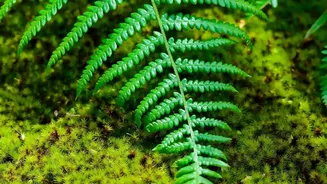
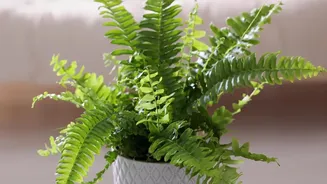
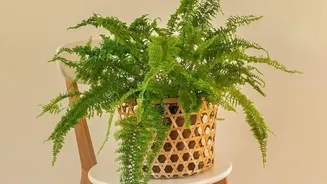
Not all houseplants crave a daily spray. Misting primarily benefits tropical and subtropical plants that evolved in high-humidity environments. This includes many ferns, Calatheas, Marantas, orchids, and Philodendrons. These plants often have broad or delicate leaves that appreciate the extra moisture. Conversely, you should avoid misting plants with fuzzy or hairy leaves, like African violets, as the texture can trap water and lead to rot. Cacti and succulents, which are native to arid climates, also dislike having wet leaves and should not be misted.
The Right Technique Matters
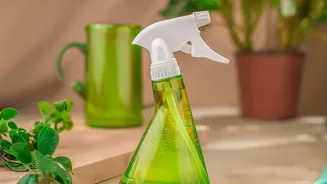
Even when you mist at the right time of day, proper technique is essential. Hold the spray bottle about 20-30 cm away from the plant to ensure a fine, even mist covers the leaves without drenching them. It’s beneficial to spray the undersides of leaves as well, as this is where most of a plant's stomata (the pores through which they breathe) are concentrated. If your tap water is hard, consider using filtered, distilled, or rainwater to avoid mineral deposits that can leave white spots on the foliage. Most importantly, ensure your room has decent airflow to help the leaves dry within a few hours.
Is Misting a Myth?
While timing is key to safe misting, it's worth noting the ongoing debate about its effectiveness. Many experts argue that the humidity boost from misting is extremely short-lived, often dissipating within minutes. For plants that require consistently high humidity, misting alone is rarely enough. More effective and sustained methods for raising ambient humidity include using a humidifier, grouping plants together to create a microclimate, or placing pots on a pebble tray filled with water. Misting can be a helpful supplement for cleaning leaves and providing a brief moment of refreshment, but it should not be relied upon as a primary humidity solution.