







1. Perform a Thorough Vehicle Health Check
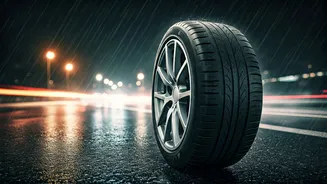
Your car is your most important travel companion, so give it the attention it deserves. Don't just kick the tyres and go. A simple pre-trip inspection can prevent the most common causes of breakdowns. Start with the tyres. Check for adequate tread depth
and look for any visible cracks or bulges. Most importantly, ensure they are inflated to the manufacturer's recommended pressure—you can find this on a sticker inside the driver's side door jamb. Next, check your fluids. This includes engine oil, coolant, brake fluid, and windscreen washer fluid. If anything is below the minimum level, top it up. Finally, test all your lights: headlights (both high and low beam), brake lights, indicators, and fog lamps. A non-functional light is not just a safety hazard but also a reason to get pulled over.
2. Get Your Document Dossier in Order
Driving without the proper paperwork is a surefire way to ruin a trip. In India, you are legally required to carry several documents. First, your original Driver's Licence and the vehicle's Registration Certificate (RC). While digital copies on apps like DigiLocker are often accepted, carrying physical copies is a safer bet, especially in areas with poor connectivity. Next is a valid Pollution Under Control (PUC) certificate and your vehicle's insurance policy. Ensure your policy is not expired. Since 2021, a functional FASTag is mandatory for all four-wheelers on national highways. Ensure your tag is properly affixed to the windscreen and has sufficient balance to avoid delays and penalties at toll plazas. A low-balance FASTag can lead to paying double the toll fee in cash.
3. Assemble a Practical Emergency Kit
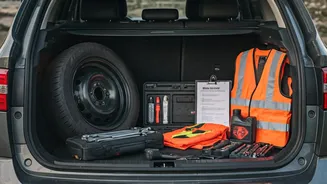
While most modern cars come with a basic toolkit and a spare tyre, a well-stocked emergency kit can be a lifesaver. Your kit should contain more than just a first-aid box (though that is essential). Include a powerful torch with extra batteries, a portable tyre inflator, and a puncture repair kit. Jumper cables are another must-have in case of a dead battery. In today's connected world, a fully charged power bank is non-negotiable for keeping your phone alive for navigation and communication. Also, pack a few litres of drinking water, some non-perishable snacks like granola bars, and a reflective warning triangle to place behind your vehicle in case of a breakdown on the highway.
4. Plan Your Route and Schedule Breaks
Spontaneity is great, but a rough plan is crucial for a long-distance drive. Use a reliable navigation app but also download offline maps for your route, as network coverage can be patchy. Identify potential rest stops, fuel stations, and restaurants in advance. Driving for hours on end leads to fatigue, which significantly impairs judgement and reaction time. The golden rule is to take a 15-minute break every two to three hours. Get out of the car, stretch your legs, and have some water. Avoid driving during the wee hours of the morning if you are not accustomed to it, as this is when driver fatigue is at its peak. Sharing driving duties, if possible, is the best way to keep everyone alert and safe.
5. Stay Aware and Drive Defensively
Indian highways can be unpredictable. Always practice defensive driving: maintain a safe distance from the vehicle ahead, be aware of your surroundings, and anticipate the actions of other drivers, cyclists, and pedestrians. Be particularly cautious of vehicles driving on the wrong side of the road, a common hazard near towns and villages. Stick to the speed limit and avoid sudden lane changes. Unfortunately, scams can occur, such as people feigning an accident to extort money. If you are ever in a situation that feels unsafe, lock your doors and drive to the nearest police station or crowded public area before engaging.