



A Shift from Sightseeing to Experiencing
For years, travel was often a race to tick boxes: the grand monument, the famous viewpoint, the postcard-perfect photo. Today, a significant change is underway. An increasing number of travellers are seeking more than just a visual record of their journey;
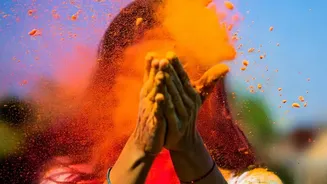
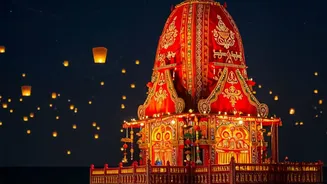
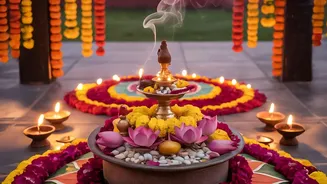
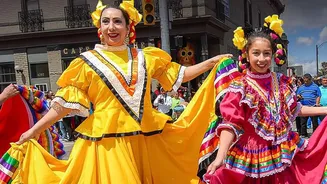
they want immersion, connection, and stories. This has given rise to festival-centric travel, where the event itself becomes the primary reason for the trip. These gatherings, whether celebrating music, harvest, or ancient traditions, offer a vibrant, living snapshot of a region's culture that a static monument cannot. Travellers are planning entire holidays around events like Durga Puja in Kolkata or the Pushkar Camel Fair, not as an afterthought, but as the main event. It marks a move towards measuring a trip by the richness of its moments rather than the number of sites visited.
An All-Access Pass to Local Life
Attending a festival is like being handed an all-access pass to a community's soul. Take the Hornbill Festival in Nagaland. For ten days, the Kisama Heritage Village becomes a microcosm of the entire state, bringing together the traditions of Nagaland's many tribes in one place. Visitors can step inside traditional huts called 'morungs', witness warrior dances that tell stories of a martial past, taste local cuisine, and see artisans at work. It offers a chance to experience the breadth of Naga culture—from folk songs and games to intricate handicrafts—in a way that would otherwise require extensive travel across different districts. This kind of immersive experience allows for a deeper understanding that goes far beyond a typical tourist itinerary.
Music as a Bridge to Culture
Music festivals, in particular, have become powerful drivers of this trend. Events like the Ziro Festival of Music in Arunachal Pradesh are designed to be more than just concerts; they are cultural confluences. Set against the stunning backdrop of the Ziro Valley, the festival is hosted by the local Apatani community. The stages and infrastructure are built using local bamboo, and the event programming includes workshops on tribal traditions alongside performances by indie bands and international artists. For attendees, the experience is multi-layered. They come for the music but leave with a newfound appreciation for the Apatani way of life, its sustainable agricultural practices, and the serene landscape. It creates a space for genuine interaction between artists, travellers, and local residents, fostering connections over a shared love for music and nature.
Beyond the Festival Grounds
The journey doesn't end when the festival does. In fact, these events often act as a starting point for wider exploration. A trip planned for a festival naturally encourages travellers to discover the surrounding region. Someone attending the Ziro Festival might extend their stay to explore the unique Apatani villages, known for their distinctive farming systems. Similarly, those visiting Rajasthan for the Pushkar Camel Fair often explore the holy city of Pushkar, its ghats, and the surrounding desert landscape. Festivals act as a gateway, drawing people to a region and then inspiring them to venture further, discovering hidden gems, local cafes, and lesser-known heritage sites that they might have otherwise missed.
A More Meaningful Way to Travel
Ultimately, the rise of festival travel points to a collective desire for more meaningful and authentic experiences. It’s a way of connecting with the world that feels more participatory and less transactional. By choosing to travel for a festival, visitors are not just passive observers; they become part of a shared celebration. This trend also has tangible benefits for host communities, contributing to the local economy and helping to preserve cultural heritage by giving it a vibrant, modern platform. It fosters a sense of pride and allows traditions to be shared with a new, appreciative audience, ensuring they are not just remembered but actively celebrated.