
The End of the Showroom Look
There was a certain logic to buying furniture in a perfectly matched set. It was efficient, safe, and took the guesswork out of decorating. For many, it felt like a 'grown-up' purchase, instantly making a house feel put-together. This approach created
a sense of unified, predictable elegance that was easy to execute—pick a style, buy the collection, and the room is done. The result, however, was often a space that felt more like a furniture catalogue than a personal home, lacking the unique charm and character that comes from a collected, layered approach. As one designer put it, when everything matches—the same timber, shape, and finish—a room can fall completely flat and feel devoid of personality.
A Shift Towards Storytelling
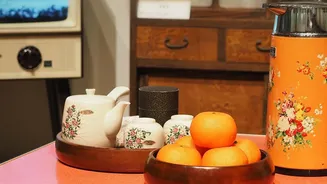
The move away from matching sets isn't just a design trend; it's a cultural shift. Today's homeowners are less interested in a home that looks 'perfect' and more interested in one that feels like it 'belongs' to them. The focus has shifted from decorating for an audience to designing for one's own peace of mind and personal expression. Experts note that the biggest change isn't about furniture at all, but about storytelling. A home is increasingly seen as a canvas for an individual's personality, filled with objects that have been gathered over time. Think of a handcrafted lamp from a holiday, a wooden bench inherited from a grandparent, or art from local artisans. These are items that cannot be bought in one transaction but carry emotional value and stories.
The Art of the Mix
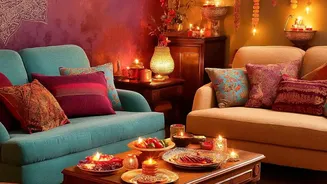
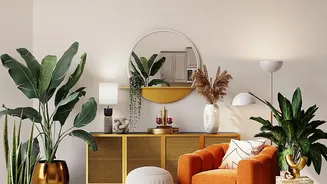
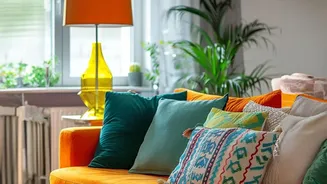
Embracing individuality doesn't mean creating chaos. The art of the 'mix-and-match' approach lies in finding harmony through other elements. Instead of matching furniture, designers recommend finding a common thread to tie disparate pieces together. This could be a consistent colour palette, where different shades of a core colour are used across various items like cushions, throws, or wall art. Another technique is to play with texture. Pairing a soft linen sofa with a stone coffee table, or a sculptural armchair with a more tailored piece, creates contrast and visual interest that keeps the eye engaged. The goal is balance, not uniformity. The furniture doesn't need to match, as one expert notes, it just needs to understand that it's attending the same party.
More Flexible, More Functional
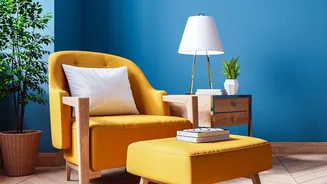
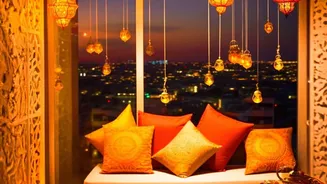
This trend is also driven by the changing role of our living spaces. The modern Indian living room is no longer just for hosting guests; it's an office, a yoga studio, a movie theatre, and a play area. This demands more flexible and functional furniture. Instead of single, oversized sofas, people are opting for modular seating, compact lounge chairs, and multifunctional pieces like storage ottomans and nesting tables. This allows the same room to adapt to various activities, from work and relaxation to social gatherings. The accent chair, in particular, has become a hero piece, capable of instantly creating a reading nook or a conversation corner, breaking the room's focus away from just the television.
How to Get Started
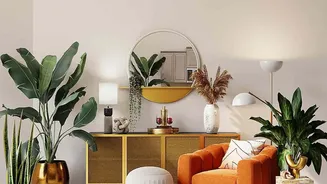
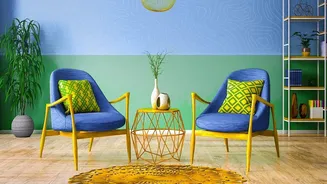
Ditching the matching set can feel daunting, but you don't have to replace everything at once. Start small. Introduce a single accent chair in a contrasting style or colour to your existing sofa. Swap out your matching coffee table for one in a different material, like metal or reclaimed wood. In the dining room, consider using a bench on one side of the table with different chair styles on the other. The key is to begin with a visual anchor—one dominant piece of furniture you love—and then build around it, choosing other pieces that complement rather than copy it. Let your personality guide your choices. The ultimate compliment for a home today isn't 'It looks expensive,' but 'It feels so you.'