







So, What Exactly is Kokum?
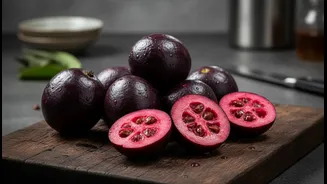
Before it was the darling of the craft cocktail scene, kokum, or Garcinia indica, was a humble fruit native to India's Western Ghats. Related to the mangosteen, this small, deep purple fruit has been a cornerstone of coastal cuisines in Maharashtra, Goa,
and Karnataka for centuries. Traditionally, it’s the sun-dried rind, known as 'amsul', that is used in kitchens. This process concentrates its unique flavour: a bright, slightly fruity acidity that is less aggressive than tamarind. Beyond its taste, it imparts a beautiful deep-red hue to dishes and drinks. In Ayurveda, kokum is prized for its cooling and digestive properties, making it a staple in summer beverages and post-meal aids.
The Traditional Powerhouse
For generations, kokum’s role was clearly defined. It was the souring agent that balanced the richness of coconut milk in Goan fish curries and the secret behind the blush-pink tint of solkadhi, a refreshing digestive drink. In these regions, a meal was often incomplete without it. Its presence in everything from dals to seafood curries was a testament to its versatility and its ability to aid digestion, especially in the hot, humid climate. Kokum sherbet, a sweet and tangy drink, has been the go-to summer cooler, preventing dehydration and heatstroke long before bottled soft drinks arrived. Its use was deeply embedded in culinary tradition, a flavour of home and hearth for millions along the Konkan coast.
The Modern Cafe Calling
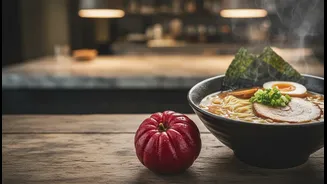
So how did this coastal staple find its way into a Japanese noodle bowl and a morning cup of coffee? The shift is part of a broader culinary movement in India where chefs and mixologists are looking inward, rediscovering and celebrating indigenous ingredients. Kokum’s unique profile—acidic yet fruity, with a vibrant colour and a 'health halo'—makes it an exciting ingredient to experiment with. Chefs have found its tartness can cut through the richness of a pork-based ramen broth, providing a uniquely Indian acidic counterpoint. In coffee, kokum syrup is being used in cold brews, where its tanginess complements the coffee's bitterness, creating a surprisingly refreshing mocktail. Bartenders are crafting everything from Kokum Mojitos to Gin Sours, valuing its ability to balance sweetness while adding complexity and a stunning visual appeal.
Acidity, Flavour, and Fusion
The success of kokum in these new roles lies in the science of its flavour. Unlike the sharper notes of lime or vinegar, kokum’s acidity, which comes from hydroxycitric acid (HCA), is more rounded and comes with a subtle floral, berry-like undertone. This makes it a fantastic balancing agent. In a rich dish like ramen, it can lift the flavours without overpowering them, similar to how yuzu is used in Japanese cuisine. When paired with spirits like gin or rum, its fruity notes are enhanced, creating cocktails that are both familiar and novel. This adaptability has even seen it appear in desserts like cheesecakes and chocolate ganache, where its sourness provides a perfect foil to the sweetness.
A Trend or a New Staple?
The rediscovery of ingredients like kokum signals a growing confidence in India's diverse culinary pantry. As diners become more curious and adventurous, they are embracing regional flavours presented in modern, global formats. They are experiencing kokum not just as the ingredient in their grandmother's fish curry, but as a dynamic, contemporary flavour. While some applications might be fleeting trends, kokum's versatility and unique appeal suggest it has the potential to secure a permanent spot in the modern Indian cafe. It is moving beyond being just "South ki imli" and is being recognized for its own distinct identity. The journey from a coastal staple to a national muse is well underway.