



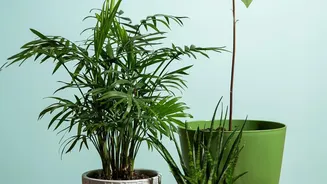
The Promise of a Natural Air Filter
For decades, we’ve been told that houseplants are nature’s air purifiers. This popular belief can be traced back to a 1989 NASA study. The research, designed to find ways to clean the air in sealed space stations, found that common houseplants could remove
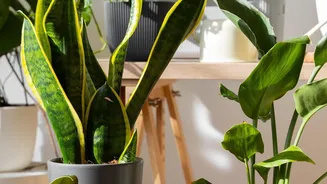
volatile organic compounds (VOCs) like formaldehyde and benzene from small, enclosed chambers. Plants like the Snake Plant, Areca Palm, Money Plant, and Peace Lily became famous for their supposed air-cleaning prowess, with many sources recommending at least one plant per 100 square feet of space. The idea is simple and appealing: a few well-placed plants could scrub your home of harmful toxins released from furniture, paints, and cleaning products.
What Modern Science Actually Says
While the NASA study was groundbreaking, its findings have often been taken out of context. The experiments were conducted in small, sealed labs—a far cry from a typical home with drafts, open windows, and constant air exchange. More recent scientific reviews have concluded that you would need an almost impossible number of plants to make a meaningful difference to your home's air quality. Estimates suggest you would need anywhere from 10 to 1,000 plants per square metre to match the air-cleaning rate of a standard building's ventilation system. In a normal room, the natural rate of air exchange with the outdoors does far more to remove VOCs than a few potted plants ever could. While plants do absorb tiny amounts of pollutants, the effect is so minimal in a real-world setting that it's considered negligible.
So, Are They Just Decoration?
Not at all. Just because they aren't the miracle air filters we hoped for doesn't mean indoor plants are useless. In fact, their most significant benefits have nothing to do with air purification. The shift in understanding encourages us to appreciate houseplants for what they truly offer, moving beyond a single, exaggerated claim. Plant trends for 2026 show a move towards choosing plants with intention—for comfort, character, and longevity, rather than for a single functional claim. It's about finding the right plant for your space and your lifestyle, creating a connection that lasts. Think of them less as a utility and more as a living part of your home's ecosystem.
The Proven Perks of Plant Parenthood
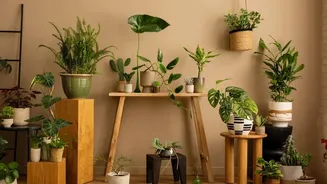
The real magic of indoor plants lies in their well-documented psychological benefits. Studies have consistently shown that the presence of plants can reduce stress, lower cortisol levels, and create a sense of calm and well-being. Engaging with plants—watering, pruning, or simply observing their growth—is a form of mindfulness that can ground you in the present moment. Research has found that interacting with plants can soothe the nervous system and improve concentration and mood. In an increasingly digital world, the simple, tactile act of caring for a living thing provides a vital connection to nature, a concept known as biophilia. This connection enhances our living spaces in ways that air quality metrics can't measure.
A Breath of Fresh Air, the Right Way
If you are genuinely concerned about indoor air quality, your focus should be elsewhere. The most effective strategies are ensuring good ventilation by opening windows regularly and using exhaust fans in kitchens and bathrooms. For targeted removal of pollutants, investing in a high-quality air purifier with a HEPA filter is far more effective than any number of plants. Continue to love and grow your indoor jungle. Popular choices in India like the Areca Palm, Money Plant, and Aloe Vera are easy to care for and bring immense visual and mental joy. Appreciate them for their beauty, their ability to boost your mood, and the simple pleasure they bring to your home.