





Understanding the Malabar Coast
Historically, the Malabar Coast refers to the southwestern shoreline of India, stretching from Goa down to Kanyakumari. Today, it typically encompasses the northern part of Kerala and the coastal regions of Karnataka. This is a land rich with history,
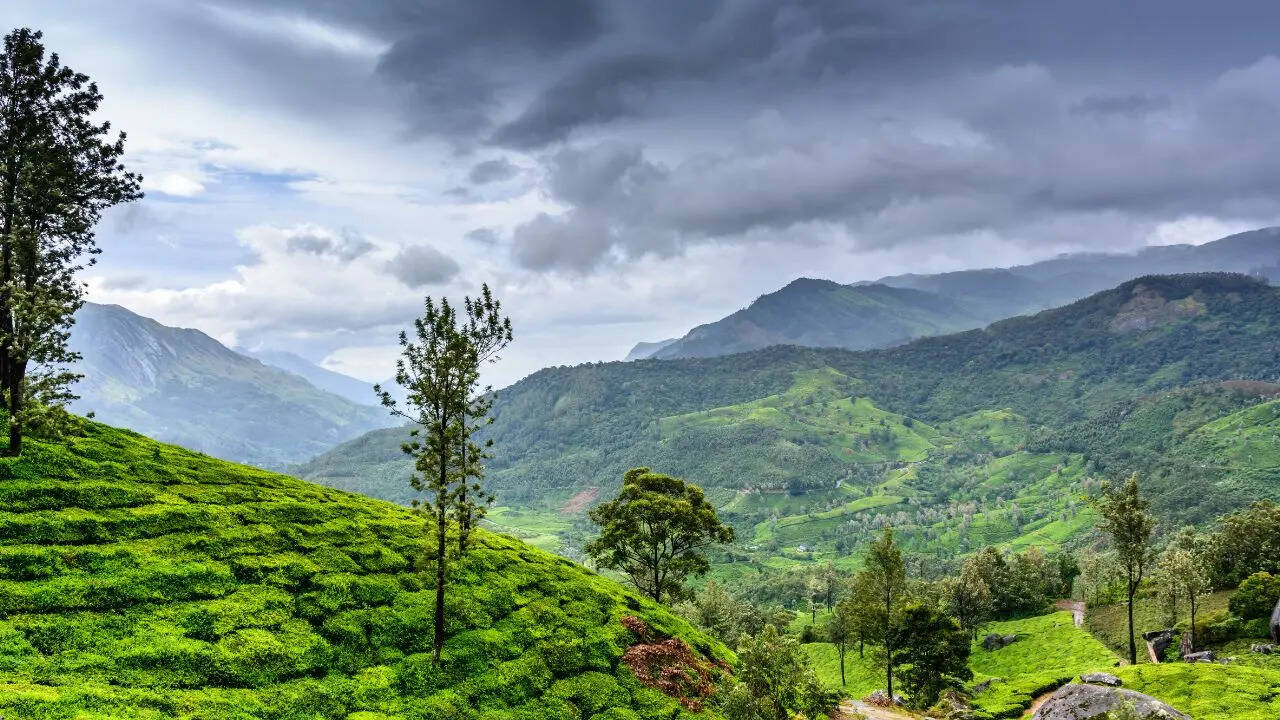
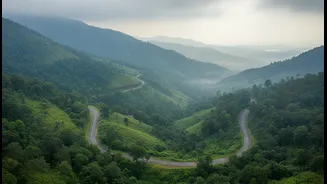
a place where traders have landed for millennia, and where nature is overwhelmingly present. From the misty hills of Wayanad to the historic ports of Kozhikode and Kannur, the region offers a different flavour of Kerala—often less crowded and with a distinct cultural identity rooted in ancient trade and colonial history. An adventure here means navigating this blend of vibrant culture, dense nature, and unpredictable tropical weather.
Mastering the Calendar: When to Go
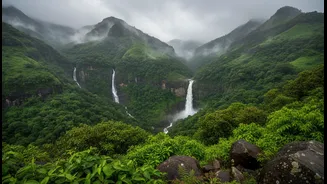
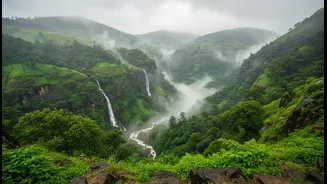
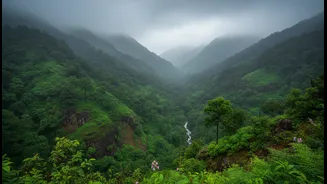
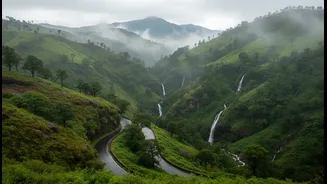
Timing your Malabar adventure is crucial and largely depends on your tolerance for rain. The region has three distinct seasons. The peak tourist season runs from September to March, offering the most pleasant weather. November to February, in particular, is considered the finest time, with warm, dry days perfect for exploring beaches and backwaters. Just after the main monsoon, in September and October, the landscape is intensely green and waterfalls are at their peak, making it a visually stunning time to visit with fewer crowds. The summer months of April and May get progressively hot and humid. Then comes the southwest monsoon, which typically arrives in June and lasts through August. While many travellers avoid this period of heavy rainfall, it has its own charm, with lush landscapes and attractive off-season pricing. However, be prepared for travel disruptions and limited access to some attractions.
Navigating the Region: Your Transport Toolkit
The Malabar region is well-connected, but choosing the right transport can define your trip. For multi-day tours covering various destinations like Kozhikode, Wayanad, and Kannur, hiring a tourist taxi with a driver is the most convenient option. This gives you flexibility to stop at will and navigate local roads without stress. For budget-conscious travellers, Kerala's public transport is excellent. The state-run KSRTC buses, along with private operators, connect virtually every town and village. The railway network is another great option, linking major coastal towns from north to south. For short distances within cities and towns, auto-rickshaws are readily available and perfect for quick hops. Recently, KSRTC also launched a 'Fly Bus' service connecting Bengaluru's airport directly with Kozhikode, offering a comfortable overnight option for those arriving from out of state. Ride-sharing apps like Uber and Ola also operate in major cities.
Riding Out the Rain: Essential Weather Backups
If you are travelling during or around the monsoon, a backup plan for rainy days is non-negotiable. Heavy downpours can derail outdoor plans like trekking or beach visits. Instead of waiting for the rain to stop, have a list of indoor alternatives. The Malabar region is dotted with sites that are perfect for a wet afternoon. Explore the history of Kozhikode at the Pazhassiraja Museum or the Thali Shiva Temple. Many towns have bustling local markets, like SM Street in Kozhikode, which can be explored even in a drizzle. Consider a cooking class to learn the secrets of Malabar cuisine or watch a traditional Theyyam performance if one is scheduled nearby. Visiting a local cafe for a hot drink or spending time at an indoor science centre, like the one in Kozhikode, are also great options. A flexible itinerary is your best asset; being willing to swap a planned beach day for a museum visit will ensure the rain enhances, rather than ruins, your trip.
Packing for a Seamless Adventure
Your packing list should be guided by the season. For the dry winter months, light cottons are perfect. However, if your trip overlaps with the monsoon, smart packing is key. Opt for lightweight, quick-drying clothes and avoid jeans, which become heavy and take forever to dry. A reliable waterproof jacket and a small umbrella are essential. Footwear is critical; pack anti-slip sandals or shoes to handle slippery surfaces. A waterproof bag or dry sack is vital for protecting electronics like your phone and camera. Given the humidity and rain, also carry insect repellent, especially for stays near forests or backwaters. Having a small emergency kit with basic medicines is always a good idea. Finally, a power bank is useful, as power outages can sometimes occur during heavy rains.