




The Science of a Bitter Brew
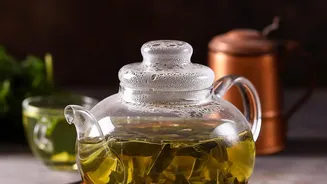
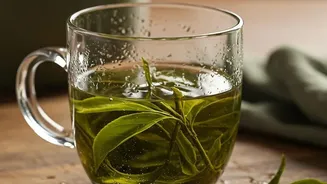
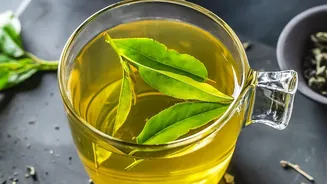
All tea comes from the same plant, Camellia sinensis, but unlike black tea, green tea leaves are not oxidized. They are quickly steamed or pan-fired after being picked, which preserves their fresh, vegetal character and also makes them far more delicate.
When you pour boiling water (100°C or 212°F) over these leaves, the intense heat effectively scalds them. This causes two things to happen. First, it destroys the tea's volatile aromatic compounds, which are responsible for its nuanced and pleasant aroma. Second, it aggressively extracts tannins and catechins, the compounds that cause bitterness and astringency. While these compounds exist in all tea, boiling water releases them far too quickly, overwhelming the sweeter, more desirable flavours.
Finding the Sweet Spot: The Ideal Temperature
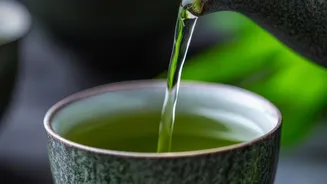
The key to a balanced, smooth, and sweet cup of green tea lies in using cooler water. The ideal temperature range for most green teas is between 70°C and 85°C (roughly 160°F to 185°F). Within this range, you extract the desirable amino acids, like L-theanine, which impart a savoury 'umami' taste, without releasing an excess of bitter tannins. Different types of green tea have slightly different ideal temperatures. Delicate, shade-grown Japanese teas like Gyokuro prefer even cooler water, sometimes as low as 60°C (140°F), while hardier Chinese green teas like Dragon Well (Longjing) can handle water closer to 80°C (175°F). But as a general rule, staying below 85°C is your safest bet.
Method 1: The Low-Tech Wait
You don't need any special equipment to get this right. This is the method most casual tea drinkers in Japan have used for centuries. Simply bring your kettle to a full boil, then turn it off and let it stand with the lid open. After about two to three minutes, the water will have naturally cooled to the perfect 70-85°C range. For a quicker cool-down, you can pour the boiling water into your serving mug first. This warms the mug and helps the water shed heat more rapidly; wait about a minute, and it should be ready to pour over your leaves. Another simple trick is to add a small splash of cold water to your cup before adding the hot water.
Method 2: The Precision Approach
If you are a dedicated tea lover and want consistent results every time, investing in a variable-temperature kettle is the easiest solution. These kettles allow you to set the precise temperature you want, taking all the guesswork out of the equation. Alternatively, a simple digital kitchen thermometer will do the job perfectly. Just heat your water and check the temperature before you pour. For those who enjoy tradition, you can even learn to read the water by sight. Ancient tea masters identified the temperature by the size of the bubbles: 'shrimp eyes' (tiny bubbles) form around 70°C, while 'crab eyes' (slightly larger bubbles) appear around 80°C.
Beyond Water: Final Touches for a Perfect Cup
While temperature is the most critical factor, a few other details will elevate your green tea experience. First, pay attention to steeping time. Green tea becomes bitter if left for too long; most varieties are best steeped for only 1 to 3 minutes. Second, use fresh, filtered water whenever possible, as re-boiled water loses oxygen and can taste flat, while tap water may contain minerals that affect the delicate flavour. Finally, quality matters. Good green tea leaves can often be re-steeped two or three times. For subsequent infusions, you can slightly increase the water temperature or steeping time to continue extracting flavour.