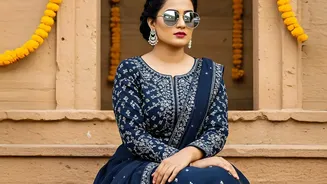







A Conscious Shift in Festive Fashion
The days of buying a new, flashy outfit for every single day of Navratri or Durga Puja are beginning to fade for India's youngest generation of consumers. Instead of succumbing to the pressure of festive fast fashion, which often results in garments worn
only once, Gen Z is championing a more mindful approach. This festive season, a significant trend is emerging: the move towards sustainable and upcycled ethnic wear. It's a shift driven not just by environmental consciousness, but also by a desire for individuality, creativity, and economic savvy. This generation is proving that celebrating tradition doesn't have to come at the cost of the planet or one's wallet. The mantra is evolving from 'buy, buy, buy' to 'rewear, restyle, repeat'.
The 'Why' Behind the Wardrobe
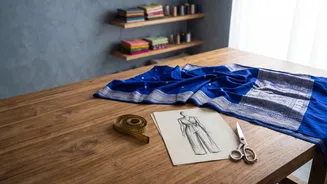
So, what is driving this change? For Gen Z, sustainability is not a buzzword; it's a core value. Having grown up with greater awareness of climate change and environmental degradation, they are more inclined to question the impact of their consumption habits. The fast fashion cycle, with its contribution to landfill waste and pollution, is something many are actively rejecting. Beyond ethics, there's a strong pull towards personal expression. In a world of mass-produced trends, an upcycled outfit—like a lehenga made from a mother's vintage Banarasi saree—is entirely unique. It tells a personal story and stands out in a sea of sameness. Furthermore, practicality plays a huge role. Upcycling, restyling, and even renting are often more budget-friendly than purchasing multiple new, high-quality garments.
Upcycling: From Heirloom to High Fashion
The most creative facet of this trend is upcycling, where old garments are transformed into new, fashionable pieces. That silk saree that's been sitting in the closet for years? It can be refashioned into a stunning lehenga skirt, a chic Anarkali, or even a contemporary corset-style top to be paired with pants or a saree. Old dupattas are being turned into lightweight jackets and capes, perfect for layering over a simple kurta. The embroidered border of a well-loved but worn-out suit can be repurposed to embellish a new blouse or create a statement potli bag. This approach not only prevents waste but also beautifully merges sentimental value with modern style, creating outfits that are both conversation starters and cherished keepsakes.
Rental and Thrifting Culture Catches On
For those who crave variety without the commitment of buying, the rental market for Indian ethnic wear is booming. Platforms offering designer lehengas, sarees, and sherwanis for a fraction of their retail price are gaining popularity, especially for big festive nights. Renting allows fashion lovers to wear a high-end, elaborate outfit for an occasion without the guilt of a hefty price tag or the burden of storing an item they might never wear again. This aligns perfectly with the sustainable mindset, promoting a circular economy where clothes are shared and used to their full potential. Similarly, thrifting pre-loved ethnic wear is becoming another avenue for finding unique pieces with a past, further reducing the demand for new production.
Fashion Forward: Brands and Designers Respond
The fashion industry is taking note of this generational shift. A growing number of Indian brands are building their entire ethos around sustainability. Labels like Doodlage specialize in upcycling factory waste into unique, chic garments. Others, such as Anokhi and No Nasties, focus on using organic fabrics like cotton and eco-friendly dyes, promoting fair trade practices. These brands offer stylish, festive options for the conscious consumer. Even mainstream fashion is adapting, with a greater emphasis on versatile pieces that can be styled in multiple ways and worn beyond the festive season. The focus is shifting towards quality over quantity, with an appreciation for handloom textiles and timeless designs that support local artisans and promise longevity.