

The Humidity Advantage
For many popular houseplants, especially tropical varieties like Monsteras, Philodendrons, and ferns, the monsoon’s moist air is a gift. High humidity helps keep their leaves lush and prevents the dreaded crispy brown edges that often appear in dry indoor
environments. This natural moisture reduces the rate at which plants lose water through their leaves, a process called transpiration. This means they can focus their energy on growth, often resulting in new leaves and more vibrant foliage. The humid air mimics their native rainforest habitats, creating an environment where they don't just survive, but actively thrive.
Rethink Your Watering Can
The single most important adjustment during the monsoon is to reduce watering. With high humidity in the air, the soil in your pots will dry out much more slowly. Continuing a summer watering schedule is the fastest way to cause root rot, the number one killer of indoor plants. Instead of watering on a fixed schedule, always check the soil first. A simple finger test is effective: insert your finger about two inches into the soil. If it feels dry, it's time to water; if it’s moist, wait another day or two. For many indoor plants, you might find you only need to water once every 10 to 15 days during the peak rainy season. Always ensure your pots have drainage holes and empty any water that collects in the saucer beneath.
Provide Adequate Light and Airflow
Overcast monsoon skies mean less sunlight, which can slow down photosynthesis and cause plants to become 'leggy' or lose their colour. To compensate, move your plants closer to windows to maximise the available light. Rotating them every few days will ensure all sides get some exposure. Just as important is air circulation. Stagnant, humid air is a breeding ground for fungal diseases like powdery mildew. If your plants are in an enclosed room, using a small fan on a low setting for a few hours a day can work wonders. Avoid crowding plants together to allow air to move freely between them, which helps leaves and soil dry more effectively.
Watch for Pests and Problems
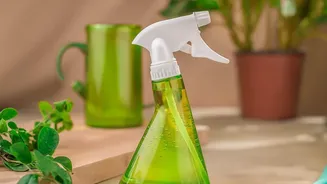
Unfortunately, the same conditions that help your plants grow also encourage pests and fungal infections. Fungus gnats, tiny flies that breed in consistently moist soil, are a common nuisance during the monsoon. Their larvae can feed on plant roots, causing damage. Mealybugs and aphids also become more active. The key to control is prevention. Allowing the top layer of soil to dry out helps deter fungus gnats. Regularly inspect your plants, especially the undersides of leaves, for any signs of pests. A preventative spray of neem oil solution every 7 to 10 days can help keep many common pests and fungal issues at bay. Promptly remove any yellowing or diseased leaves to improve airflow and prevent problems from spreading.
Pause the Fertiliser
While the monsoon can be a growth period, it’s generally best to reduce or pause fertilising. Plant growth may naturally slow due to lower light levels, meaning they don't need the extra nutrients. Adding fertiliser to already wet soil can risk burning the roots. If you do choose to feed your plants, opt for a diluted liquid fertiliser and apply it less frequently than you would in the summer. Some experts even suggest skipping heavy fertilisers altogether during this season. Wait for the bright, sunny days to return before resuming your regular feeding schedule.