




The Unique Challenge of Humidity
Exercising in high humidity feels tougher for a reason. Your body’s primary cooling mechanism is the evaporation of sweat from your skin. But when the air is already saturated with moisture, sweat can't evaporate effectively. Your body's response is to sweat even
more in an attempt to cool down, leading to accelerated fluid loss without the same cooling benefit. This 'non-productive sweating' means you're losing significant amounts of water and crucial minerals, increasing the risk of dehydration, rising core temperature, and a spike in heart rate. During intense exercise in hot, humid conditions, an athlete can lose 1-2 litres of sweat per hour.
Coconut Water's Natural Appeal
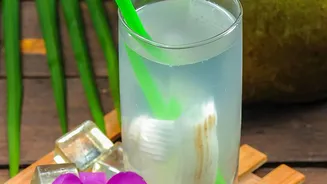
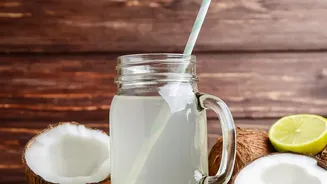
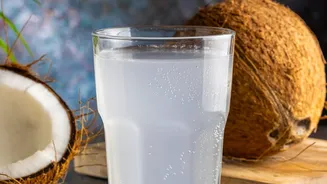
Coconut water has earned a reputation as 'nature's sports drink'. It’s a natural fluid, low in calories, and provides some carbohydrates for energy. Its main calling card is an abundance of the electrolyte potassium, which is important for heart function and preventing muscle cramps. A single cup can contain more potassium than a banana. Because of its mineral content, it has been studied as a rehydration beverage and can be a good choice for light to moderate exercise. However, when it comes to truly intense, sweaty sessions, it has one significant shortcoming.
The Missing Ingredient: Sodium
While sweat contains potassium, the electrolyte you lose in the greatest amount is sodium. It's what makes sweat taste salty. Sodium plays a vital role in maintaining fluid balance, nerve function, and muscle contractions. The problem with relying solely on coconut water for intense rehydration is its electrolyte profile: it's very high in potassium but naturally low in sodium. During a long, sweaty workout, if you only replenish with low-sodium fluids, you risk diluting the sodium levels in your blood, which can affect performance and, in extreme cases, be dangerous.
How a Pinch of Salt Makes a Difference
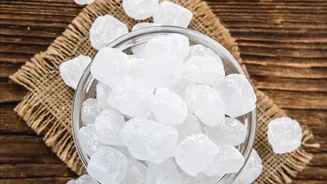
This is where a simple pinch of salt comes in. By adding a small amount of salt—specifically sodium chloride—to your coconut water, you fundamentally change its composition. You are supplementing the one key electrolyte that coconut water lacks for heavy sweating scenarios. This addition helps your body hold onto fluid more effectively, improving your hydration status. The sodium also helps stimulate your thirst mechanism, encouraging you to drink enough to replace your losses. This simple hack transforms coconut water from a potassium-rich beverage into a more complete, balanced electrolyte drink that more closely matches what your body is losing through sweat.
Your DIY Hydration Boost
Creating your own enhanced hydration drink is simple. For a standard 250-350ml serving of unsweetened coconut water, add a small pinch (about 1/8 of a teaspoon) of sea salt or Himalayan pink salt. These less-processed salts contain other trace minerals alongside sodium. Stir until it's completely dissolved. The goal isn't to make the drink taste salty; in fact, a small amount is often enough to enhance the flavour without being overpowering. You can also add a squeeze of lime or a splash of fruit juice for extra flavour and a bit more carbohydrate energy if needed. This creates a natural, customisable alternative to many commercial sports drinks, which can be high in processed sugars and artificial ingredients.