


The Gleam of Modern Machinery
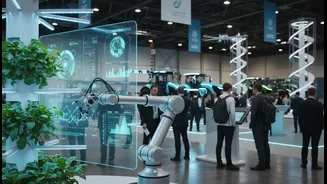
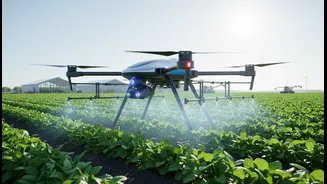
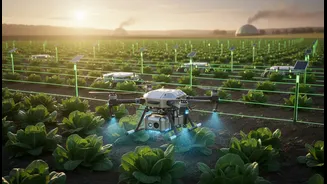
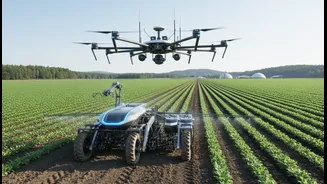
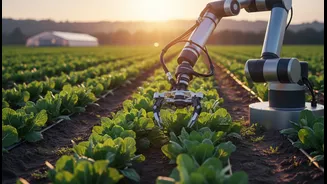
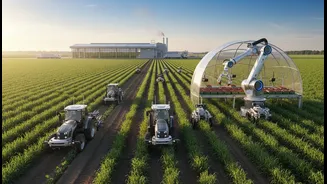
The 24th edition of Agri Intex, hosted by the Coimbatore District Small Industries Association (CODISSIA), has drawn hundreds of exhibitors and thousands of visitors. The halls are filled with the latest in farm technology: precision farming tools, large-scale
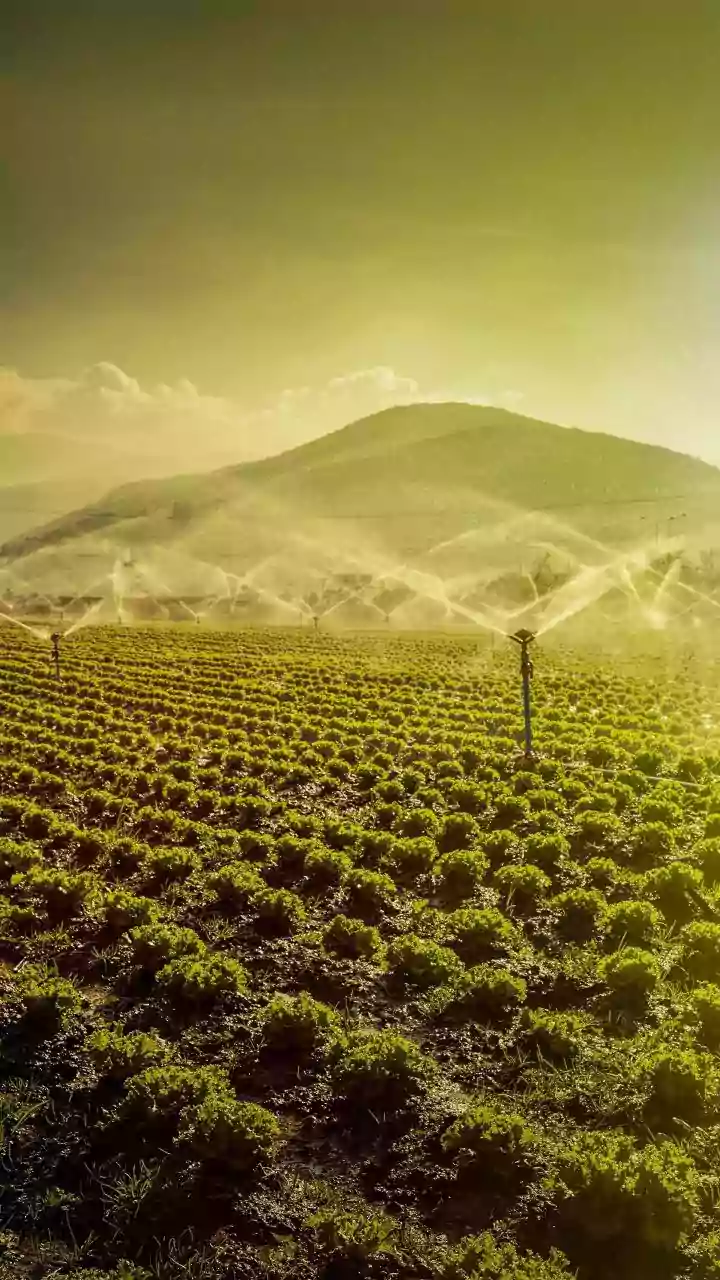
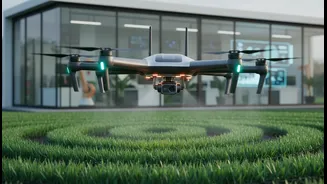
harvesters, irrigation systems, and even drones. With participation from across 16 states and international companies, the event showcases a vision of a highly mechanized, efficient, and productive agricultural future. Organizers highlight that these innovations are key to increasing productivity and cutting costs, especially in the face of challenges like labour shortages. The focus is clearly on capital-intensive assets, promising a revolution for those who can afford to invest in them.
The Reality for Small Farmers
This vision of high-tech farming often clashes with the reality on the ground for a vast majority of India's agricultural community. In India, 86% of farm holdings are classified as small and marginal, meaning they are less than two hectares. For these farmers, particularly in the Coimbatore district, the primary challenges are not about owning the latest tractor but about fundamental issues. Studies of the region consistently point to problems like a lack of direct market access, exploitation by intermediaries, inadequate storage facilities, and price volatility. Many farmers are forced to sell their produce immediately after harvest at lower prices due to a lack of storage and immediate cash needs. Purchasing expensive machinery is often financially impossible and impractical for small, fragmented landholdings.
Beyond Ownership: The Service Solution
The headline's argument pivots on a critical distinction: the difference between owning equipment and accessing services. For a small farmer, the burden of a multi-lakh rupee loan for a machine that will be used for only a few weeks a year is unsustainable. A more effective and affordable model is 'Farming as a Service' (FaaS), where farmers pay for what they use. This is where Custom Hiring Centres (CHCs) come in. These centres, often supported by the government, provide access to expensive machinery on a rental basis. This democratizes technology, allowing smallholders to benefit from mechanization without the crushing weight of ownership. Studies in Tamil Nadu have shown that farmers using CHCs benefit from cost savings and higher yields. These services extend beyond machinery to include soil testing, expert agronomy advice, and access to credit and insurance.
A Mismatch of Priorities
While events like Agri Intex are vital for showcasing innovation, they can also reflect a disconnect between technology developers and the end-users. The focus on big-ticket items caters more to large agribusinesses and wealthy farmers than to the smallholders who form the backbone of Indian agriculture. Mechanization is undoubtedly crucial, with the potential to increase productivity by up to 30% and reduce costs by 20%. However, the path to achieving this for most farmers is through shared resources and service models, not individual ownership. The success of thousands of CHCs established across Tamil Nadu demonstrates the demand and viability of this approach. By making services the central offering, the benefits of technology can be distributed far more equitably. The innovation needed is not just in the machines themselves, but in the business models that deliver them to the fields.