





Is It Rain or Something Else?
First, let's be clear: rain itself doesn't directly cause your hair to fall out from the root. However, the conditions that come with rainy weather—namely, high humidity—create a perfect storm for hair issues. While it's normal to shed between 50 to 100
strands a day, this number can feel like it doubles during the monsoon. Studies suggest that seasonal hair shedding is a real phenomenon, and hair fall can increase by up to 30% during the monsoon season. The main culprit is not the rain itself, but the drastic change in the atmosphere. The combination of moisture, sweat, and environmental pollutants can weaken hair, leading to what looks and feels like significant hair loss.
The Real Villain: Humidity's Effect on Hair
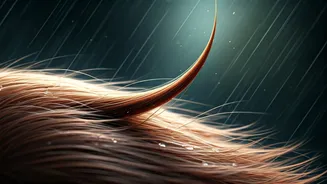
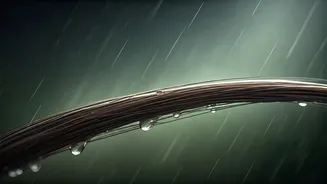
The primary reason hair feels weaker and more prone to falling during the monsoon is high humidity. Your hair is made of keratin proteins, and these proteins form bonds that give your hair its shape and strength. When the air is saturated with moisture, your hair absorbs this excess water. This causes the hair shaft to swell, disrupting its protective outer layer, the cuticle. A swollen, roughed-up cuticle makes the hair strand weaker, more porous, and prone to frizz and breakage. This process, sometimes called hygral fatigue, is the repeated swelling and shrinking of the hair shaft, which leads to damage that can be mistaken for hair fall. So, much of what you're seeing isn't necessarily hair falling from the root, but hair breaking off mid-strand because it has become fragile.
Don't Forget Your Scalp
A healthy scalp is the foundation of healthy hair, and the monsoon is particularly challenging for scalp health. The warm, damp environment is an ideal breeding ground for fungal and bacterial activity. Increased sweating mixes with your scalp's natural oils (sebum) and environmental pollutants, which can clog hair follicles. This buildup can lead to itchiness, dandruff, and inflammation, all of which can weaken the hair roots and contribute to shedding. Furthermore, rainwater can be acidic and contain pollutants that irritate the scalp, altering its natural pH balance and further weakening hair follicles.
Your Monsoon Hair Care Action Plan
While you can't control the weather, you can adjust your hair care routine to combat its effects. Start by keeping your scalp clean and dry. If you get caught in the rain, wash your hair as soon as possible to remove pollutants. Using a gentle, clarifying, or anti-fungal shampoo two to three times a week can help manage oiliness and prevent fungal growth without stripping your hair. Always follow up with a conditioner, focusing on the lengths and ends to smooth the cuticle and reduce breakage, but avoid applying it heavily on the scalp. One of the biggest mistakes is tying up wet or damp hair, as this traps moisture and creates a perfect environment for scalp issues. Allow your hair to air dry or use a blow-dryer on a cool setting. Finally, reduce heat styling, as your hair is already in a fragile state.
Nourishment and Professional Help
Your hair's resilience also comes from within. A balanced diet rich in protein, iron, zinc, and vitamins like D and B-complex is crucial for strong hair. Staying hydrated helps maintain overall health, including that of your scalp and hair. While seasonal shedding is usually temporary, it's important to know when to seek help. If your hair fall seems excessive, doesn't improve after the season changes, or you notice distinct bald patches or significant thinning, it's wise to consult a dermatologist. They can rule out underlying conditions like nutritional deficiencies, hormonal imbalances, or genetic hair loss and recommend appropriate treatments if needed.