








Decoding the June Numbers
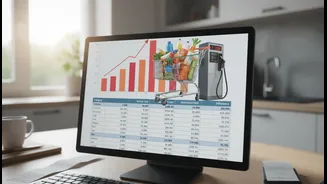
Data released in July shows that India's retail inflation, measured by the Consumer Price Index (CPI), accelerated to 4.38% in June. This is up from 3.93% in May and marks the first time in 17 months that the inflation rate has crossed the Reserve Bank
of India's (RBI) 4% target. While the figure is still within the RBI's tolerance band of 2% to 6%, the upward trend suggests that price pressures are building across the economy.
Where Your Wallet Will Feel the Pinch
The main driver behind the recent spike is the rising cost of everyday essentials. Food inflation climbed to 5.32% in June, with specific items seeing sharp increases. Prices for vegetables like tomatoes and ginger have surged, putting a strain on the common kitchen basket. Alongside food, transportation costs have also jumped, climbing 4.31% as higher global energy prices affect domestic fuel rates. This combination means households are paying more for both groceries and their daily commute.
Why Are Prices Climbing Now?
Several factors are contributing to this inflationary trend. Geopolitical tensions in West Asia have kept global energy prices high, which directly impacts fuel costs in India. Domestically, concerns over an uneven monsoon season are creating uncertainty around agricultural production, which can lead to food supply disruptions and higher prices. The RBI has noted these risks, even revising its inflation forecast for the financial year upwards to 5.1%, indicating that it expects these pressures to persist.
A Guide to Your Mid-Year Budget Reset
Instead of feeling overwhelmed, view this as an opportunity to be proactive. A mid-year budget review can help you adapt. Start by tracking all your expenses for the last month to get a clear picture of where your money is going. Identify the categories where costs have increased the most—likely your food and transport bills. Once you know your personal inflation hotspots, you can look for ways to adjust. This isn't about drastic cuts, but smart reallocations. Can you consolidate trips to save on fuel? Are there cheaper alternatives for some grocery items? Small changes can make a big difference.
Practical Tips to Fight Inflation
To navigate the months ahead, consider implementing a few practical strategies. Differentiate between 'needs' and 'wants' and see where you can trim discretionary spending like frequent dining out or entertainment subscriptions. Explore alternatives for regular purchases; sometimes, a different brand or shopping at another store can lead to savings. For larger expenses, postpone any that aren't urgent. Finally, review your debts. Since rising inflation makes future interest rate hikes more likely, focus on paying down high-interest loans to free up cash flow.
Looking Ahead: What Experts Expect
Economists believe that inflation may remain elevated in the coming months, with some predicting it could average around 5% for the year. The RBI is watching the situation closely, balancing the need to control inflation with supporting economic growth. While the central bank has kept the main policy rate unchanged for now, the possibility of rate hikes later in the year remains on the table if price pressures don't ease. For households, this means it is wise to prepare for a period of sustained higher costs rather than expecting immediate relief.