




The Source of the Smoke
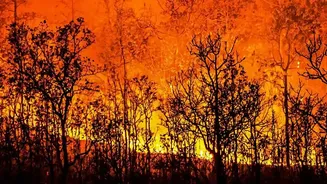
The phenomenon begins in the agricultural heartlands of states like Punjab, Haryana, and Uttar Pradesh. After harvesting paddy (rice), farmers are left with tons of crop residue, or stubble. With a very short window to clear the fields and sow the next
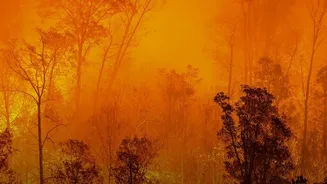
crop, wheat, many farmers see burning the stubble as the quickest and most cost-effective solution. This practice, known as stubble burning, sets the stage for a regional air quality crisis. While it efficiently clears the land, it releases vast clouds of smoke into the atmosphere. This happens primarily between October and November, coinciding with the post-monsoon harvest season.
A Toxic Cocktail in the Air
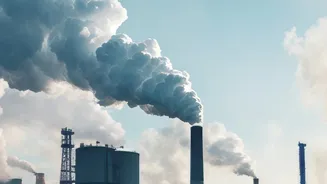
The smoke from these fires is not harmless. It's a dangerous mix of pollutants that have serious health implications. The most concerning component is fine particulate matter, or PM2.5. These are microscopic particles, less than 2.5 micrometres in diameter, that can penetrate deep into the lungs and even enter the bloodstream. Besides PM2.5, stubble burning releases carbon monoxide (CO), nitrogen oxides (NOx), sulfur dioxide (SO2), and volatile organic compounds (VOCs). This cocktail of chemicals can worsen existing respiratory conditions like asthma and bronchitis and increase the risk of cardiovascular diseases.
The Journey Across States
Once released, this plume of pollution doesn't stay put. Prevailing northwesterly winds during this season act as a transport system, carrying the smoke from the farm fields of Punjab and Haryana directly towards the Indo-Gangetic Plain. This airborne pollution can travel for hundreds of kilometres. Meteorological conditions play a crucial role in worsening the situation. As winter sets in, lower temperatures and slower wind speeds can lead to a phenomenon called temperature inversion, which traps pollutants closer to the ground, preventing them from dispersing. This creates a thick blanket of smog over entire regions, including the National Capital Region (NCR).
The Urban Impact
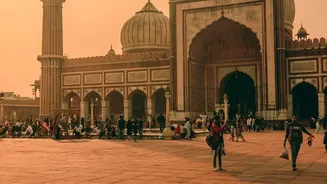
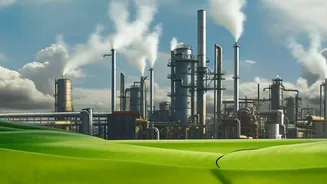
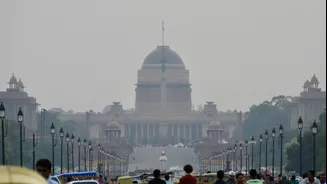
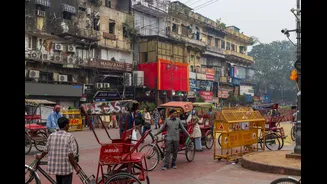
When this mass of polluted air reaches cities like Delhi, it combines with existing urban pollution from vehicles, industry, and construction dust. The result is a dramatic spike in the Air Quality Index (AQI), often pushing it into the 'Severe' or 'Hazardous' categories. Studies have shown that during peak burning season, farm fires can contribute significantly to Delhi's PM2.5 levels, with some estimates putting the contribution at anywhere from 25% to over 50% on the worst days. This leads to reduced visibility, eye irritation, and a sharp increase in hospital admissions for respiratory distress. The impact is so severe that it can lead to school closures and public health emergencies.
Searching for Sustainable Solutions
Addressing this issue requires a multi-pronged approach that connects rural practices with urban well-being. Simply banning the practice has proven difficult to enforce without providing farmers with viable alternatives. Several solutions are being explored and promoted. Machines like the 'Happy Seeder' allow farmers to sow wheat seeds directly into the fields without needing to remove the paddy straw, turning the residue into mulch instead of smoke. Other alternatives include converting the crop residue into biofuel or compost. Government subsidies for such technologies, combined with farmer education and stricter enforcement, are seen as the key to breaking the annual cycle of burning. Ultimately, the haze that chokes cities is a stark reminder that in a shared environment, the smoke from a distant field fire eventually becomes everyone's problem.