



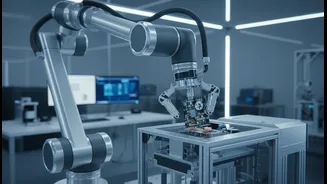


Beyond the Chatbot: What is Physical AI?
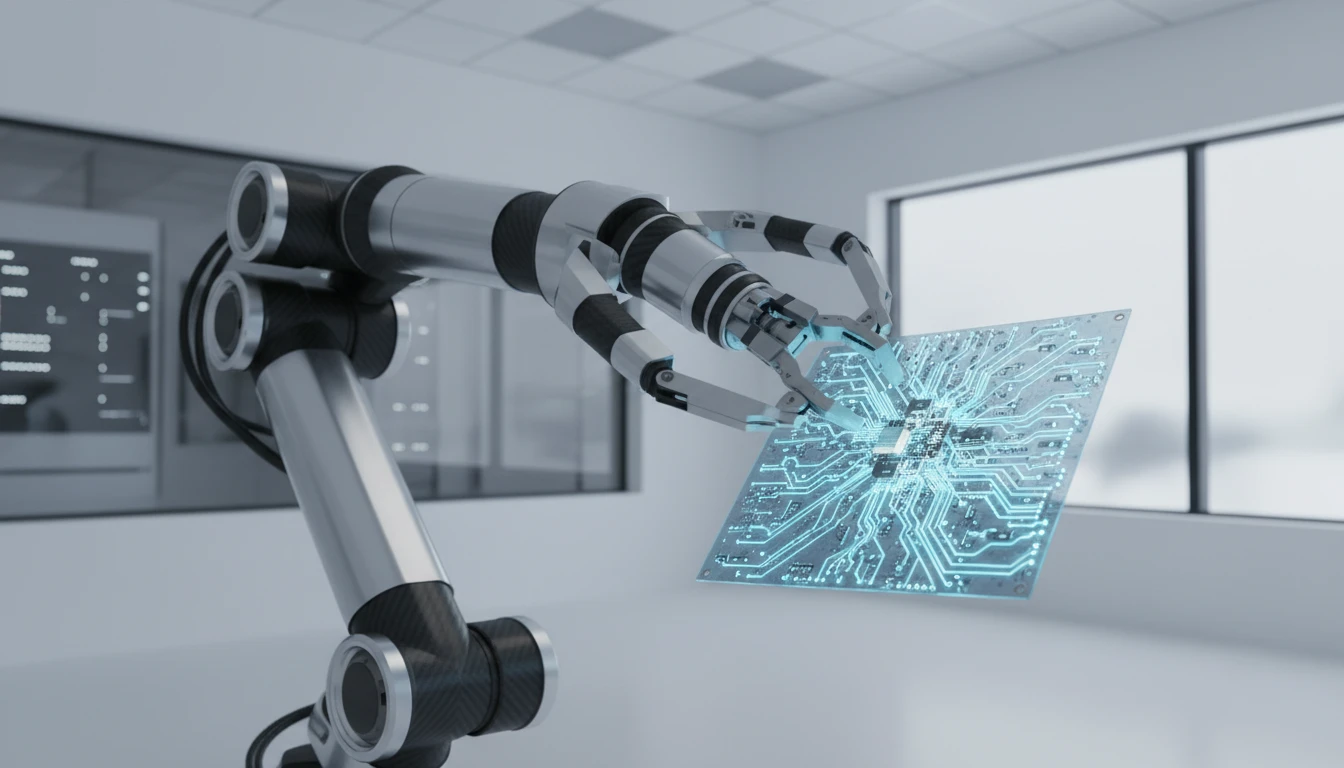
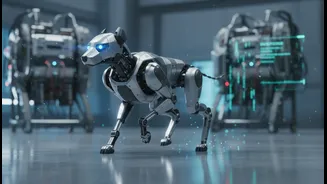
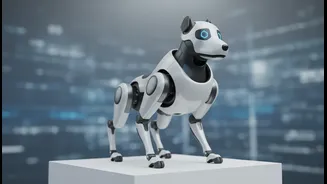
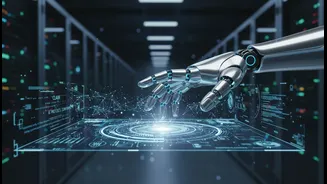
Physical AI, also known as Embodied AI, represents a pivotal shift from digital intelligence to intelligence that can interact with the tangible world. Unlike generative AI models that process text and images, Physical AI systems use sensors like cameras,
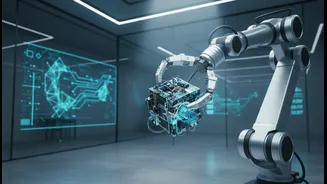
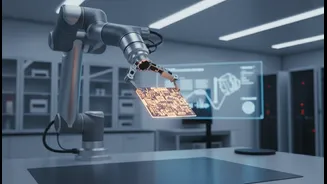
LiDAR, and microphones to perceive their surroundings and actuators to perform actions. Think of autonomous delivery robots navigating a warehouse, self-driving vehicles maneuvering through city traffic, or surgical bots performing delicate procedures. Previously, most industrial robots were programmed for repetitive, rule-based tasks in highly controlled environments, like a robotic arm on an assembly line. Physical AI infuses these machines with the ability to perceive, reason, and adapt to dynamic, unpredictable spaces, making them far more flexible and capable.
The Safety Imperative: When Code Meets Concrete
When a chatbot makes an error, the result might be a strange answer. When a Physical AI system fails, it can cause physical harm or significant damage. This raises the stakes for safety immensely. For robotics teams, this means moving beyond just preventing collisions. It involves creating systems that can anticipate and avoid hazards in complex human environments. Researchers and developers are focusing on building in safeguards at every level, from the silicon chip to the software that guides behavior. This includes 'AI constitutions' that provide explicit rules, adding redundant safety checkpoints, and training models on data that specifically highlights safe and unsafe actions. The goal is to create systems that are not just unlikely to fail, but are provably safe and can handle errors gracefully without catastrophic outcomes.
The Reliability Gauntlet: From Demos to Dependability
A flashy demo in a controlled lab is one thing; operating dependably for thousands of hours in a dusty warehouse or on a busy street is another. Reliability is a core challenge for Physical AI. Real-world environments are chaotic and introduce factors like friction, changing light conditions, and unexpected obstacles that are difficult to replicate perfectly in simulations. This is often called the 'sim-to-real gap,' where models that work perfectly in a virtual world fail when deployed on a physical robot. Furthermore, collecting the vast amounts of real-world interaction data needed to train these systems is expensive and time-consuming. As a result, engineering for reliability means designing robust hardware that can withstand wear and tear and developing AI that can generalize from limited data and learn continuously from its environment.
Real-World Control: The Unpredictability Problem
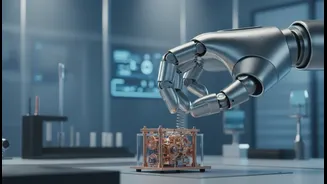
The greatest challenge—and opportunity—for Physical AI is mastering real-world control. This means an AI must handle the near-infinite variability and unpredictability of the physical world. Unlike a digital environment with fixed rules, the real world has slippery floors, a person who steps out unexpectedly, or an object that isn't where it's supposed to be. Physical AI must process data from its sensors in real-time, reason about the intentions of other agents (like humans), and make safety-critical decisions in milliseconds. Leading companies are developing sophisticated models that integrate vision, language, and action to better understand context and respond appropriately. This involves a level of 'common sense' reasoning, such as assessing an object's weight before trying to lift it or understanding that a dropped glass will shatter. Ultimately, human oversight remains a crucial component, ensuring there is a person in the loop to monitor, intervene, and maintain control when the unexpected happens.