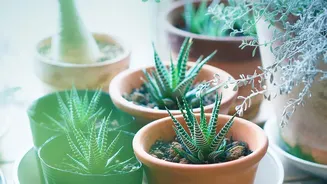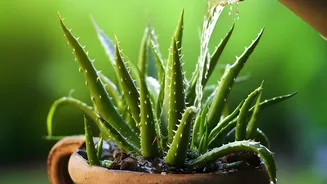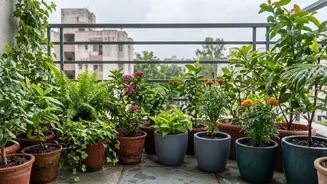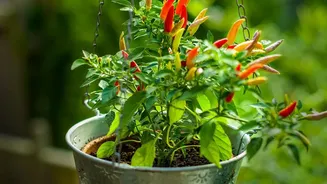


Start with Superior Drainage
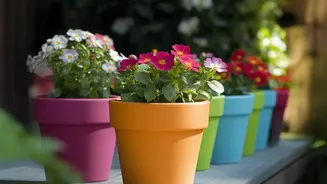
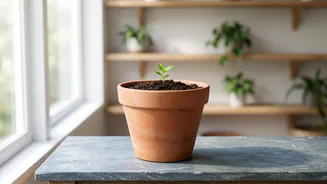
The single most important defence against waterlogging is excellent drainage. Before the heavy rains begin, inspect all your pots. Every container must have drainage holes at the bottom to allow excess water to escape. If the holes are clogged with old
soil or roots, clear them out. For larger containers, elevating them slightly can make a significant difference. Placing pots on bricks or dedicated 'pot feet' creates an air gap underneath, ensuring water can flow away freely instead of pooling at the base. This simple step is often one of the most effective at preventing the dreaded soggy soil that leads to problems.
Create the Perfect Potting Mix
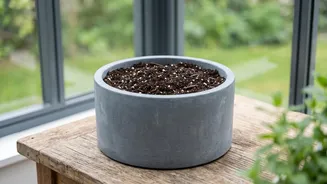
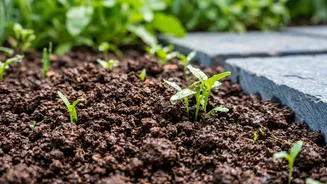
Standard garden soil is often too dense for pots and can become compacted and waterlogged during the monsoon. A well-draining potting mix is your best ally. You can either buy a quality commercial mix or create your own. A reliable recipe for most plants involves combining equal parts garden soil, an organic component like compost or coco peat, and a material that improves aeration and drainage, such as coarse sand or perlite. Coco peat helps retain necessary moisture without becoming soggy, while perlite, a lightweight volcanic rock, creates air pockets in the soil. This balanced mix ensures that roots get the moisture they need while allowing the constant monsoon downpours to drain away efficiently.
Rethink Your Watering Schedule
It might seem counterintuitive, but you still need to monitor your plants' water needs during the monsoon. Plants under covered balconies or dense foliage may not receive much rainwater. However, the biggest mistake is sticking to a summer watering schedule. High humidity and reduced sunlight mean the soil dries out much more slowly. Before you water, always check the soil. Push your finger an inch or two into the soil; if it feels damp, your plant does not need more water. Overwatering is the primary cause of root rot, so letting the plant's needs, not the calendar, dictate your watering routine is crucial.
Provide Shelter from a Deluge
While most plants enjoy the rain, incessant, heavy downpours can physically damage delicate leaves and flowers and erode soil from pots. If you have smaller, more sensitive plants, consider moving them to a spot with some overhead cover during particularly intense storms, like a covered patio or under an awning. For larger, immovable plants, you might consider temporary rain covers. Even just supporting taller plants with stakes can prevent them from snapping in strong winds and rain. This extra protection helps them endure the worst of the weather without stress or damage.
Know the Warning Signs of Root Rot
Even with the best preparation, it's important to watch for signs of distress. Root rot is the most common ailment for overwatered plants. The initial signs often appear on the leaves. If you notice lower leaves turning yellow and the plant wilting even when the soil is wet, it's a major red flag. Another tell-tale sign is a musty or sour smell coming from the soil, which indicates fungal or bacterial decay. If you suspect root rot, you'll need to act fast. Gently remove the plant from its pot and inspect the roots. Healthy roots are typically white and firm, while rotten roots will be brown, black, and mushy. Trim away any affected roots with sanitized shears and repot the plant in fresh, well-draining soil.