



The Search for Serenity
The post-pandemic desire for space and tranquility continues to influence travel choices in 2026. Instead of bustling city breaks, many are seeking quiet corners to unwind and recharge. This trend is less about doing nothing and more about escaping the
noise of daily life. October, with its pleasant post-monsoon weather, is the perfect time for this. Destinations offering seclusion without sacrificing beauty are in high demand. Think of the serene backwaters of Alleppey in Kerala, the misty hills of Coorg in Karnataka, or the laid-back beaches of Gokarna, often called a quieter alternative to Goa. The appeal lies in their uncrowded nature, allowing for a slower pace. Places like Hampi in Karnataka, with its surreal, history-rich landscape, or the remote valleys of Spiti and Ziro, offer a profound sense of peace and a disconnect from urban chaos. This shift reflects a broader focus on mental wellness, where a holiday's success is measured by how rejuvenated you feel upon return.
Diving Deep into Local Culture
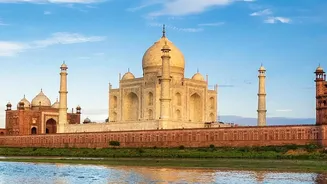
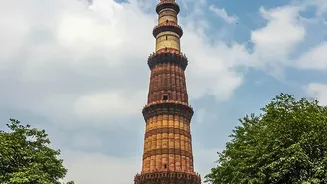
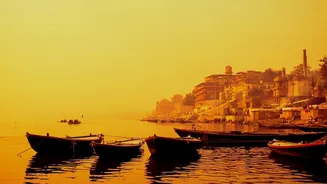
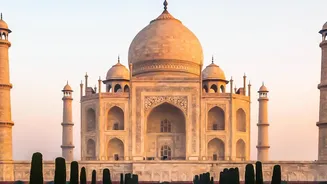
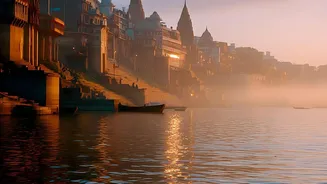
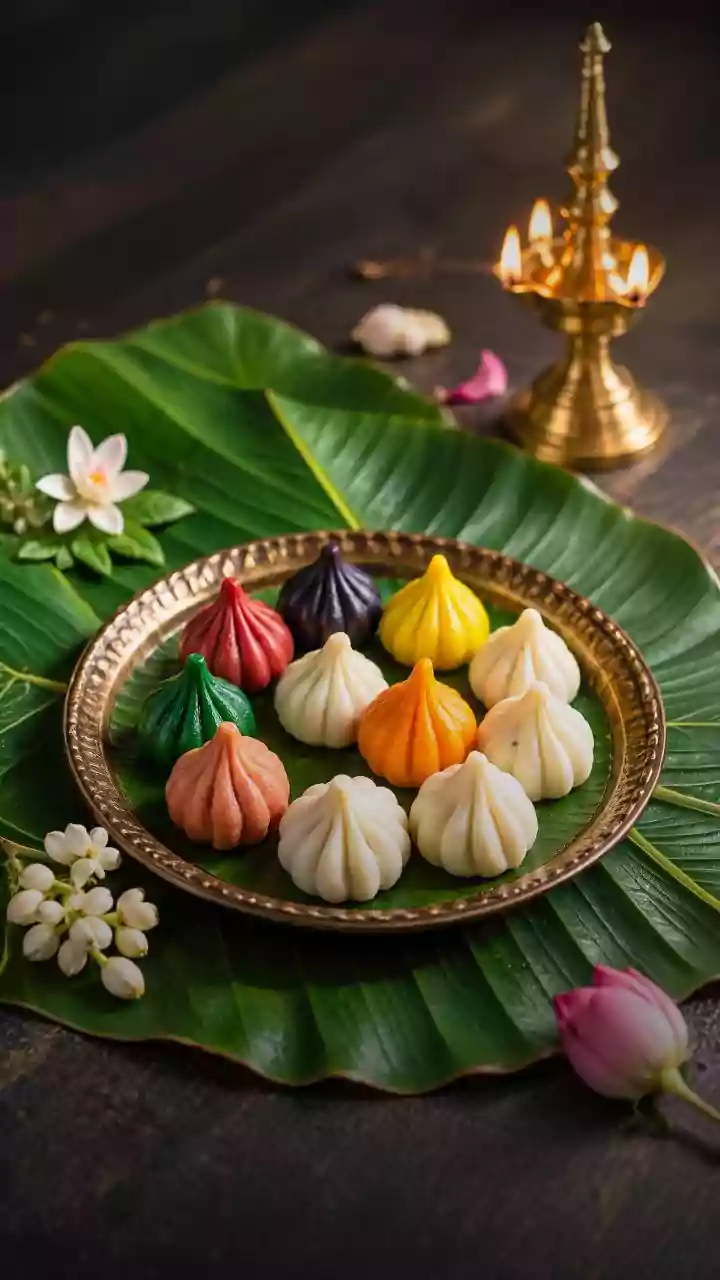
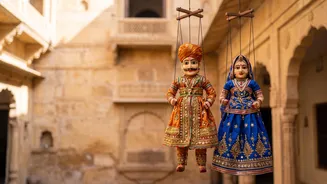
There's a growing movement away from superficial sightseeing towards more immersive cultural experiences. A recent report highlighted that a vast majority of Indian travellers are planning trips specifically around culture, including heritage, festivals, and food. This isn't just about visiting historical monuments; it's about connecting with a place on a deeper level. Travellers are increasingly interested in community-led tourism, where they can learn directly from artisans, participate in local traditions, or take part in culinary workshops. Instead of just seeing a landmark, the 2026 traveller wants to understand the story behind it. This has led to a rising interest in heritage destinations like Rajasthan and spiritual hubs such as Rishikesh and Varanasi. October is particularly significant, as it hosts major festivals like Durga Puja and Dussehra, turning cities like Kolkata and Mysuru into vibrant cultural centres that travellers are keen to experience firsthand.
The Freedom of Flexible Planning
The rigid, day-by-day itinerary is becoming a thing of the past. In its place is a newfound appreciation for flexibility. The reasons are twofold. Firstly, the rise of remote work has blurred the lines between work and vacation. 'Workations' are no longer a niche concept, with a significant number of professionals blending their job with travel. This allows for longer stays in one place, combining work with leisure and exploration. Secondly, there's a psychological comfort in knowing plans can change. Travellers are taking advantage of 'shoulder season'—the period between peak and off-peak seasons, like October—which typically offers fewer crowds and better prices without the risk of closures. This environment encourages more spontaneous decisions. Rather than booking every detail months in advance, people are embracing a looser framework, perhaps booking flights but leaving accommodation or daily activities open to local discovery. This approach allows for unexpected detours and a more authentic travel experience.
Why This Shift Matters
These trends are more than just passing fads; they represent a fundamental change in what we value in travel. The 'revenge travel' that followed the pandemic—a frantic rush to go everywhere—is over. It has been replaced by a more deliberate and selective approach. Indian travellers are now more experienced and are seeking purpose in their journeys, whether it's wellness, cultural enrichment, or personal discovery. This conscious approach also benefits local economies, as spending is directed towards authentic experiences and smaller communities rather than just mainstream tourist traps. As we move through the latter part of the year, the focus is clearly on holidays that are not just about escaping, but about engaging with the world in a more thoughtful and fulfilling way. It's a shift from 'where did you go?' to 'what did you experience?'.