







Unveiling the 10-Minute Habit
The habit is surprisingly simple: a short, gentle walk taken shortly after eating a meal. [2] This isn't about strenuous exercise or a power walk that leaves you breathless. Instead, it’s a leisurely 10 to 15-minute stroll that gives your body a chance
to kickstart the digestive process in a natural, low-impact way. [14] The idea is to swap the post-meal slump on the sofa for a few minutes of light movement, a practice that has been gaining scientific backing for its wide-ranging benefits. [16]
The Science of a Post-Meal Stroll
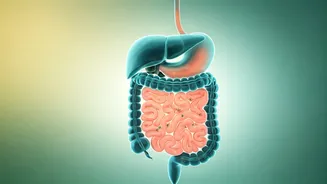
When you walk after eating, you are helping your body in several key ways. Firstly, the gentle movement stimulates your stomach and intestines, which can help food move through your digestive tract more quickly. [1, 3] This process, known as gastric emptying, can reduce feelings of bloating, gas, and heaviness. [9, 15] Some studies have found that walking for just 10-15 minutes after meals can significantly lessen gastrointestinal symptoms. [1] Secondly, walking helps manage blood sugar levels. After a meal, especially one rich in carbohydrates, your blood glucose levels naturally rise. [4] A post-meal walk encourages your muscles to pull glucose from the bloodstream for energy, which helps prevent sharp spikes and subsequent crashes in blood sugar. [5, 8] Research suggests a short walk can be remarkably effective at stabilising these levels. [12]
More Than Just Better Digestion
The advantages of a post-meal walk extend beyond the digestive system. By helping to regulate blood sugar, this habit can lead to more stable energy levels throughout the day, preventing the common afternoon slump. [16] This simple act also contributes to your overall daily physical activity, which is crucial for long-term health. Regular, short walks can support cardiovascular health by helping to manage blood pressure and cholesterol. [7, 9] Furthermore, taking a few minutes to step outside and move can be a powerful mood booster. It offers a mental break, reduces stress, and allows for a moment of mindfulness in a busy day, thanks to the release of endorphins. [2, 17]
How to Perfect Your Post-Meal Walk
To get the most out of this habit, timing and intensity matter. Experts generally recommend starting your walk within 10 to 30 minutes of finishing your meal. [2, 7] This window is when your blood sugar levels typically begin to rise. [11] The pace should be comfortable and light—a gentle stroll, not a race. [14] You should be able to hold a conversation easily. Intense exercise can divert blood away from your digestive system and may cause discomfort, so it's best to keep it light. [3] If you experience any cramping, try waiting a little longer after your meal next time or slowing your pace. [1] Even just two to five minutes of walking has been shown to offer benefits, so don't feel pressured to complete a long workout. [4, 19]
Making It a Lasting Habit
Integrating a new habit into your daily life can be a challenge, but the key is consistency. Start small. If 10 minutes feels like too much, begin with just five minutes after one meal a day. You can gradually increase the duration as you get more comfortable. Try 'habit stacking' by linking your walk to the act of finishing a meal. For example, once you clear your plate, put on your shoes and head out the door. You could walk around your neighbourhood, a nearby park, or even just around your office building after lunch. Making it a social activity by walking with a family member, friend, or colleague can also help with motivation and make the habit more enjoyable. [11]