


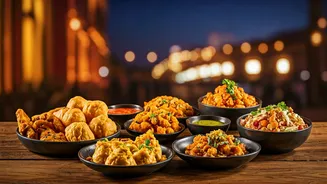


Experiences Over Extravagance
For the young Indian traveller, the definition of a successful trip has fundamentally changed. It's no longer about ticking off famous landmarks or staying in the most luxurious hotels. Instead, the focus has shifted to authentic, immersive experiences.
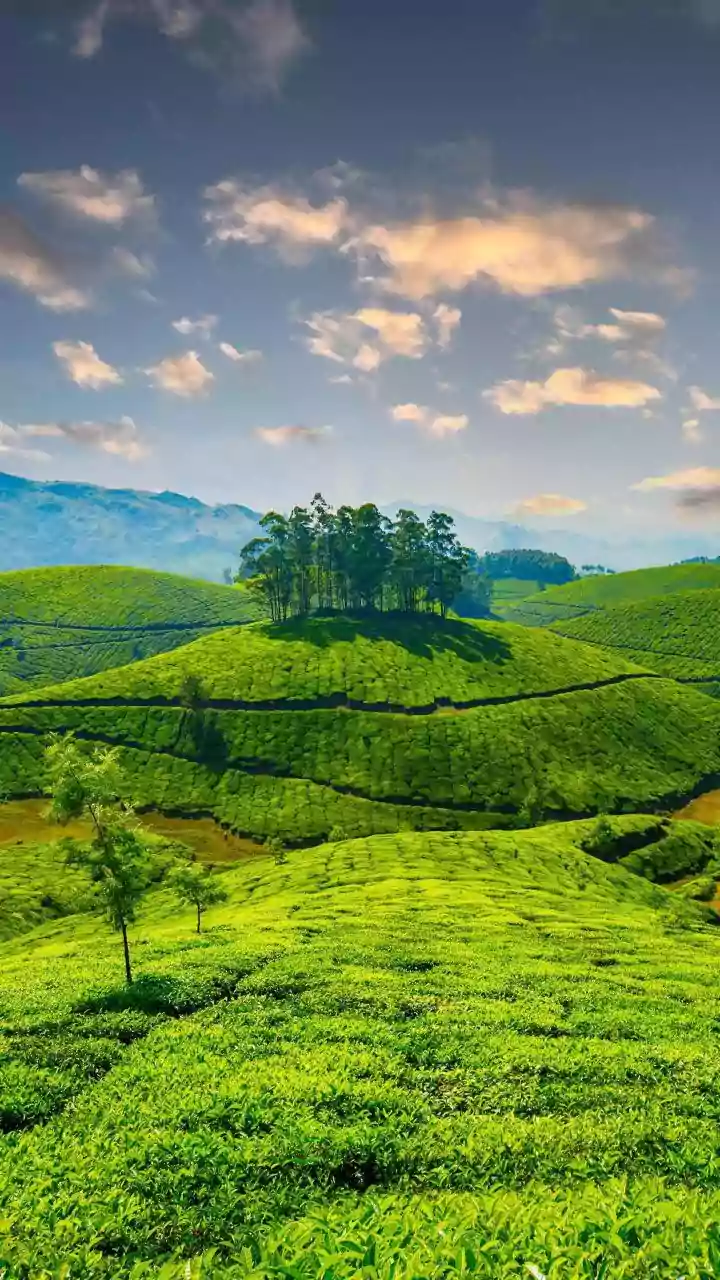
[4, 11] A recent report highlights that Gen Z actively seeks out lesser-known locations, often avoiding places that have become popular on social media. [2] This generation is driven by a desire for cultural immersion, local interactions, and activities like trekking, spiritual tourism, and exploring regional cuisines. [4, 9] The motivation is to collect memories, not just photographs. In fact, a survey found that 80% of this demographic values the small, personal moments on a trip more than visiting famous attractions. [24] This shift is so profound that India's experiential travel market is projected to be worth billions, driven almost entirely by this younger cohort. [5]
The Rise of the Micro-Trip
The traditional two-week holiday is becoming a relic. Gen Z travellers in India are embracing the 'micro-trip'—short, frequent getaways of two to four days, often planned spontaneously. [3, 4] Recent data indicates that a vast majority of young travellers prefer these shorter formats over one long annual vacation. [24] This trend is fuelled by a desire for flexibility and more integrated work-life patterns. [4] Many book their flights and hotels less than a week in advance, a testament to their spontaneous nature. [8] Instead of saving up for a single big trip, they prefer to spread their travel throughout the year, making exploration a continuous part of their lifestyle rather than a rare event. [2, 19]
Digital-First and Socially Inspired
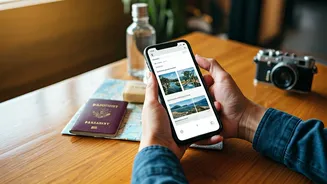
Gen Z's travel planning starts and ends on their screens. Platforms like Instagram and YouTube have become the new travel guides, with a significant majority of young Indians turning to social media for inspiration. [8, 12] Viral videos and influencer content play a huge role in shaping destination choices, often leading them to discover hidden gems. [10, 13] However, there's a nuanced relationship with online trends; many travellers use these platforms to find places that are *not* yet trending to ensure a more unique experience. [2] The entire process, from research to booking, is tech-driven. [12] Even the accommodation can become the destination, with many Gen Z travellers choosing a location specifically because of a unique homestay or Airbnb they discovered online. [2, 24]
Budget-Conscious, Not Budget-Restricted
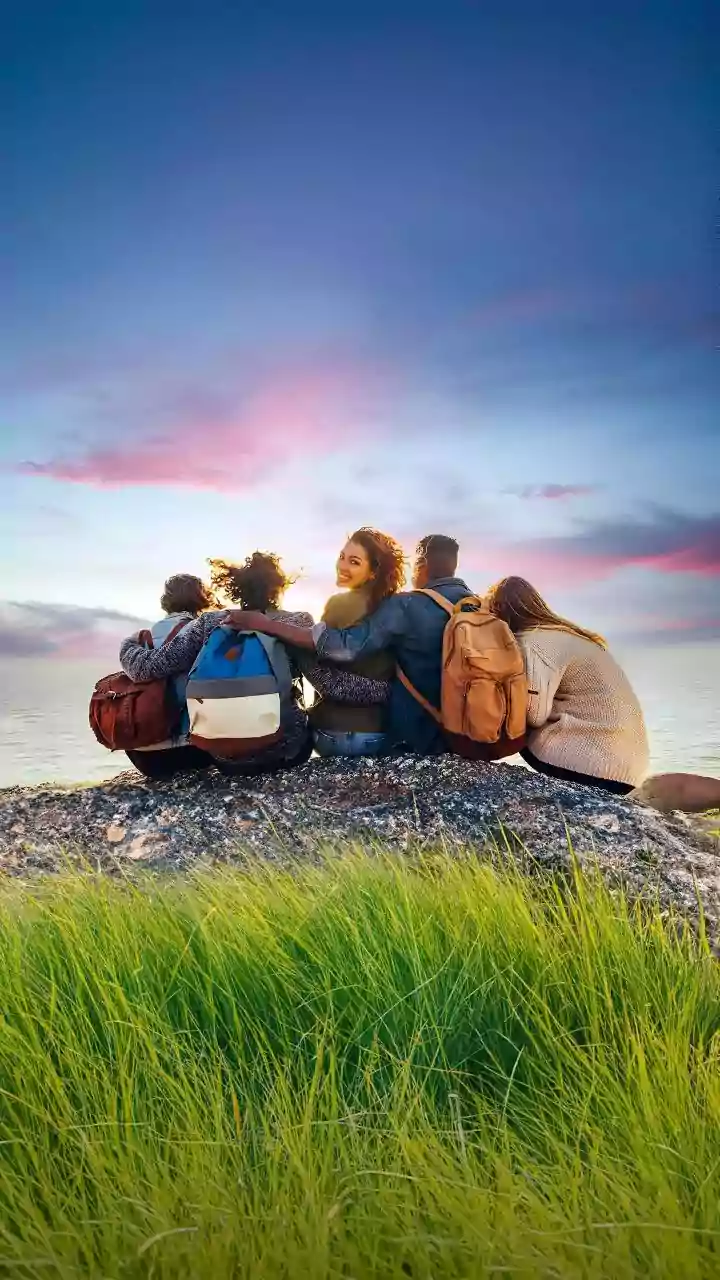
While this generation is willing to spend on travel, they are exceptionally smart about it. Affordability is a key concern, leading to a preference for hostels, homestays, and shared accommodations over expensive hotels. [2, 11] The goal is value for money, prioritising spending on unique experiences rather than lavish stays. [8] This backpacker mentality is not necessarily due to a lack of funds but a different set of priorities; they see budget travel as a way to have more authentic experiences and meet other travellers. [16] Interestingly, solo travel is also a massive trend, with a reported 64% of international trips by young Indians being taken alone, driven by a desire for independence and self-discovery. [20, 22, 23]
A Conscience for the Planet
Sustainability is not just a buzzword for Gen Z; it's a genuine consideration. There is a growing preference for eco-friendly stays, responsible tourism, and destinations with a low tourist footprint. [6, 19] Many young travellers are actively choosing to support local communities and minimise their environmental impact. [14] Studies show a significant portion are even willing to pay more for sustainable travel options. [12, 14] This consciousness extends to their mode of transport and the activities they choose, favouring nature-based experiences that are both exciting and environmentally responsible. [4, 13] This reflects a broader values-driven approach to life, where their choices as consumers and travellers are aligned with their personal beliefs.