
The Philosophy: A Trio of Textures
The magic of a truly memorable snack platter lies in variety. Combining roasted, steamed, and griddled foods creates a dynamic eating experience that keeps things interesting. Roasting brings out a deep, caramelized sweetness and a tender interior. Steaming
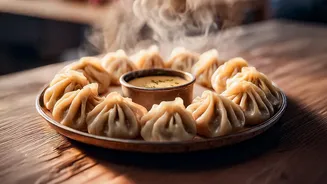
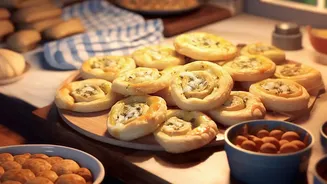
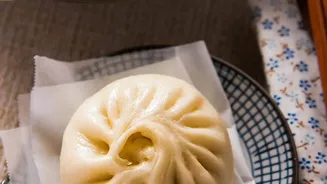
offers a clean, gentle preparation that results in soft, moist bites, perfect for delicate items like dumplings or momos. Griddling, or pan-frying, provides that satisfying, crispy-edged char that adds a smoky depth and a delightful crunch. Together, these three methods ensure your spread has a satisfying range of textures—from soft and pillowy to crisp and crunchy—and a spectrum of flavours that feel both comforting and exciting. The different cooking temperatures and techniques also make for a visually appealing and balanced meal that feels much more special than a single dish.
The Foundation: Start with Roasting
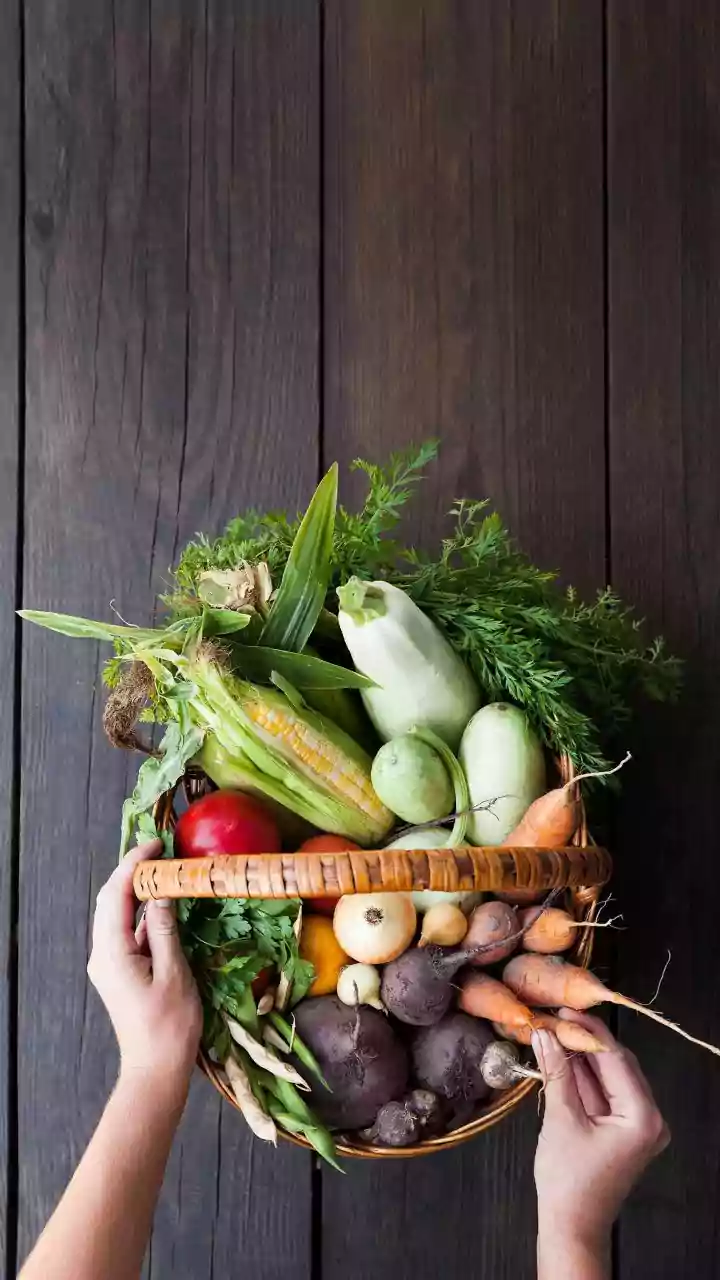
Begin with the elements that take the longest but require the least active attention: roasted vegetables. This is your low-effort, high-reward component. Preheat your oven to around 200°C (400-425°F). Chop vegetables like carrots, bell peppers, butternut squash, cauliflower, and potatoes into bite-sized pieces. Toss them with olive oil, salt, pepper, and any dried herbs you like, such as rosemary or oregano. Spread them on a baking sheet and let them roast until tender and slightly browned, which usually takes about 25 to 45 minutes, depending on the vegetable. Roasted vegetables provide a hearty, healthy base for your platter and their sweet, earthy flavours pair well with almost anything.
The Main Event: Steamed and Griddled Stars
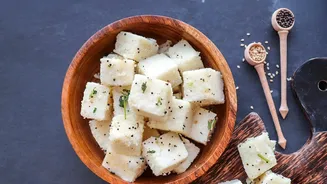
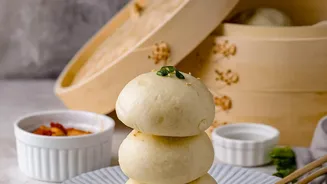
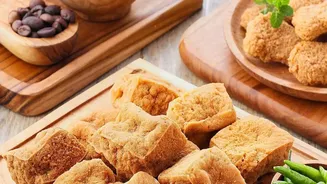
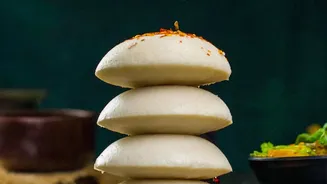
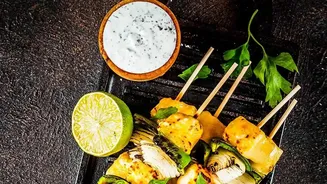
While the vegetables are roasting, you can focus on the more hands-on components. For steamed options, think light and flavourful. You can prepare steamed snacks like moong dal bhapiyas or poha vadas, which are both savory and satisfying. Classic choices like momos or idlis are also excellent and can often be found ready-to-steam. For your griddled items, a hot pan is your best friend. Cubes of paneer are a fantastic choice; you can marinate them in a mix of yogurt and spices like chaat masala and turmeric before pan-frying them until golden and crisp on the outside. Hariyali paneer tikka, with its vibrant green marinade of coriander and mint, is another flavourful option. This method provides a wonderful textural contrast to the soft, steamed items.
The Unifier: Dips and Chutneys
No snack platter is complete without dips to tie everything together. The right sauces can bridge the gap between your roasted, steamed, and griddled elements. A simple, cooling yogurt dip with mint and coriander is incredibly versatile and complements spicy flavours perfectly. Hummus, whether store-bought or homemade, is another crowd-pleaser that pairs beautifully with both roasted vegetables and griddled paneer. For a bit of a kick, a spicy garlic dip or a classic green chutney offers a fresh, sharp counterpoint to the richer items. Even a simple mix of cream cheese and salsa can work wonders. Aim for at least two different dips to provide variety.
The Timing Plan: Bringing It All Together
The key to a stress-free snack evening is a simple timeline. Start by getting your vegetables in the oven, as they take the most time but are largely hands-off. While they roast, prepare your dips and chutneys; these can be made ahead and set aside. Next, marinate your paneer or other griddled items. About 15-20 minutes before your roasted vegetables are done, start steaming your dumplings or idlis, as they cook relatively quickly. In the final 10 minutes, get your griddle pan hot and cook the paneer. This ensures the griddled items are served hot and crispy. When the vegetables come out of the oven, arrange everything on a large platter or board, place your dips in small bowls, and serve immediately for the perfect cozy, rainy-evening feast.