






A Demand That Outpaces Supply
India is one of the world's fastest-growing civil aviation markets. A burgeoning middle class, rising disposable incomes, and enhanced regional connectivity through schemes like UDAN have fuelled an unprecedented demand for air travel. Projections from
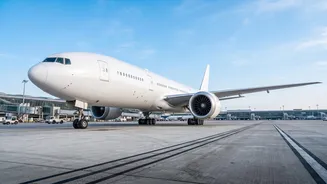
consultancy Oliver Wyman suggest India's commercial fleet will grow at 7.1% annually between 2026 and 2036, among the highest rates globally. However, the current supply of aircraft is struggling to keep pace. Minister Goyal noted that while Indian carriers have already ordered over 1,200 planes, the country's total requirement is more than 2,000 to satisfy future needs. This gap between sky-high demand and on-the-ground reality is creating bottlenecks, potentially leading to higher fares and constrained route expansion.
Airlines on a Historic Buying Spree
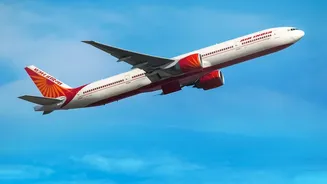
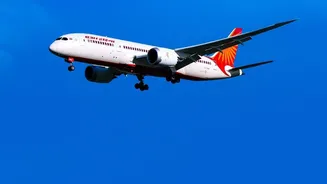
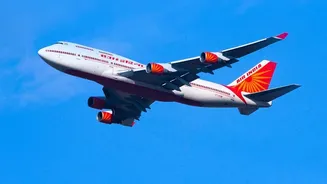
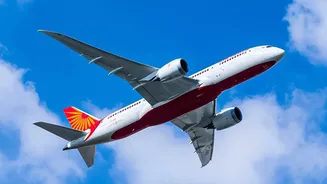
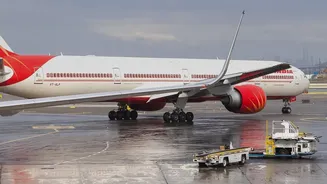
Indian airlines have already anticipated this growth with massive orders. In recent times, Air India finalised a historic deal for 470 aircraft from both Airbus and Boeing, while IndiGo placed a record-breaking order for 500 Airbus A320 family aircraft. Along with carriers like Akasa Air, the total order book stands at over 1,200 planes. However, placing an order is only the first step. Global aircraft manufacturers are facing their own challenges, including production backlogs and supply chain disruptions for critical components like engines. These issues mean that delivery timelines are often stretched, with some aircraft scheduled to arrive as late as 2034. Goyal's statement emphasizes the government's intent to pressure manufacturers like Airbus and Boeing for faster deliveries to bridge the immediate capacity gap.
More Than Just Flying: The Economic Vision
The push for more aircraft is not just about adding more flights; it's a strategic move to bolster the entire aviation ecosystem. A larger fleet will enhance both domestic and international connectivity, supporting India’s ambition to become a global aviation hub. Goyal specifically mentioned that more planes would enable increased flight frequencies to countries like Egypt, strengthening trade and tourism ties. Furthermore, this expansion drive is linked to the 'Make in India' initiative. The government is encouraging partnerships with international aerospace companies to boost local manufacturing and develop a robust Maintenance, Repair, and Overhaul (MRO) industry. A self-reliant MRO sector would reduce Indian airlines' dependence on foreign services, saving foreign exchange and creating skilled jobs.
Navigating the Headwinds
While the vision is ambitious, several challenges lie ahead. The Indian aviation sector is notoriously price-sensitive and operates on thin margins, often pressured by high fuel costs. Airport infrastructure, though rapidly expanding, still faces constraints in major metro areas. There is also a looming shortage of skilled personnel, including pilots and maintenance technicians, needed to operate and service a rapidly growing fleet. Addressing these issues requires a multi-pronged approach, from reforming the tax structure on Aviation Turbine Fuel (ATF) to scaling up training facilities. The government is also working on strengthening aircraft leasing and financing frameworks within India, particularly through GIFT City, as over 85% of aircraft operated by Indian carriers are on lease.