



The Classic Story of Spreading Seeds
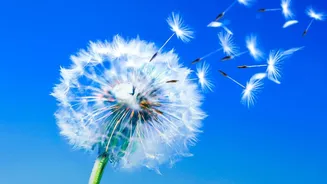
For forests and plants to thrive, seeds must travel. This process, called seed dispersal, is fundamental to life on Earth. It allows plants to colonise new areas, escape competition with their parents, and find better ground to grow. For a long time,
the story seemed simple: wind, water, and a specific group of fruit-eating animals (frugivores) like birds and monkeys did most of the work. These animals eat fleshy fruits and later deposit the seeds, often far from the original plant, giving them a chance at a new life. This relationship is a perfect example of mutualism; the plant gets its seeds dispersed, and the animal gets a nutritious meal. This process is so important that in tropical rainforests, up to 90% of trees depend on animals to move their seeds.
Enter the Unexpected Helpers
Recent scientific inquiry has revealed this classic view is dramatically incomplete. The cast of characters involved in seed dispersal is far wider and more unusual than previously thought. Studies are now highlighting the role of what scientists call 'neglected' or 'unconventional' dispersers. This includes animals that aren't traditional fruit-eaters. For instance, research has documented fish in the Amazon, like the pacu, consuming fruits that fall into the water and dispersing their seeds along river systems. Even ants, rodents, and birds of prey, often overlooked in this context, play a significant role. Some animals engage in 'secondary dispersal', where they might pick up a seed that has already been dropped by a primary disperser, moving it to yet another location.
A Wider, More Complex Web
The revelation of this wider cast completely changes our view of forest dynamics. One European study synthesized 400 years of data, looking at over 11,000 interactions between 1,902 plant species and 455 animal species. It found that our knowledge has been heavily skewed towards certain groups, like birds eating fleshy fruits (a mechanism called endozoochory). Other methods, like seeds hitching a ride on fur or feathers (epizoochory), or being buried by rodents (synzoochory), are critically understudied but vital. The research highlights that even animals we consider seed predators, like certain rodents, can be effective dispersers when they hoard seeds and forget some of their caches. This intricate web means that many different animals contribute to the overall health and resilience of an ecosystem in ways we are only just beginning to appreciate.
Why This Discovery Matters for India
These global findings have profound implications for India's diverse ecosystems. From the Western Ghats to the forests of the Northeast, understanding the full suite of seed dispersers is crucial for conservation. As habitats become fragmented and populations of large, charismatic animals like hornbills or primates decline, the roles of these overlooked helpers—the smaller mammals, the unconventional birds, even reptiles and fish—become even more critical. The loss of any single disperser can have ripple effects. For example, if a specific type of large-bodied bird disappears, plants with large seeds may have no way to travel, leading to their local decline. Recognizing the contributions of this wider cast of animals means conservation efforts must become more holistic, protecting not just the big-name species but the entire community that keeps a forest alive and regenerating.
The Climate Change Connection
This expanded understanding is also directly linked to the fight against climate change. Healthy, regenerating forests are one of our best tools for sequestering carbon. However, a forest's ability to regenerate and adapt depends entirely on successful seed dispersal. One major study found that the loss of animal dispersers has already slashed the ability of plants to move to track climate change by a staggering 60%. When animals are lost, seeds can't travel to new, more suitable habitats as the climate warms. The loss of these dispersal services can reduce the carbon accumulation in regrowing tropical forests by over 50%, showing that the biodiversity crisis and the climate crisis are deeply intertwined.