





The Golden Rule: Cold Rice Is King
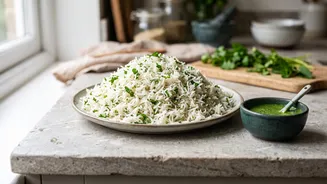
The single most important secret to perfect fried rice isn't a rare spice or a complex technique; it's using day-old, refrigerated rice. Freshly cooked rice is warm and full of moisture, which causes it to steam in the pan, leading to a sticky, mushy
texture. When rice cools in the refrigerator, the grains firm up and dry out. This allows them to separate easily in the wok or kadai, ensuring each grain gets coated in spices and stir-fries to a beautifully chewy, distinct texture rather than clumping together. So, think of this as a brilliant make-ahead step. Cook your basmati or other long-grain rice a day in advance, spread it on a plate to cool, and then refrigerate. Your future self will thank you when you're minutes away from a fantastic meal.
Building Flavour with Indian Spices
What separates this from other fried rice recipes is the aromatic foundation of Indian spices. While Indo-Chinese versions often rely on soy sauce and vinegar, this recipe builds a 'desi' flavour profile from the ground up. Start by tempering whole spices like cumin seeds (jeera) in hot oil until they splutter. Then, introduce your aromatics: finely chopped garlic, ginger, and green chillies. For the powdered spices, a combination of turmeric (haldi) for colour, coriander powder for earthiness, and a final flourish of garam masala for warmth and complexity works wonders. Some recipes also incorporate toasted cumin powder for a deeper, nuttier taste. This spice base infuses the oil with layers of flavour before the vegetables and rice are even added.
A Rainbow of Vegetables
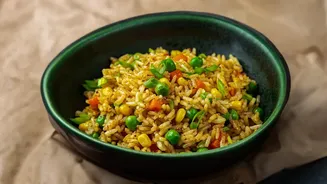
Fried rice is an excellent way to use up whatever vegetables you have on hand. For a balanced and visually appealing dish, aim for a variety of colours and textures. The classics work beautifully here: finely diced carrots, french beans, bell peppers (capsicum) of any colour, and sweet corn. To prepare, ensure everything is chopped into small, uniform pieces for quick and even cooking. A high flame is your friend when stir-frying vegetables; you want them to become tender-crisp, not soft and overcooked. Add firmer vegetables like carrots and beans first, followed by quicker-cooking ones like bell peppers and cabbage. You can also add spinach, mushrooms, or even crumbled paneer for extra protein.
Putting It All Together: Step-by-Step
With your ingredients prepped, the cooking process is incredibly fast. Heat oil or ghee in a large kadai or wok over medium-high heat. Add your whole spices like cumin seeds. Once they sizzle, add the chopped ginger, garlic, and green chillies and sauté for a minute until fragrant. Next, add the onions and harder vegetables, stir-frying for a few minutes until they begin to soften. Follow with the softer vegetables. Now, it’s time for the rice. Add the cold, cooked rice to the pan, breaking up any large clumps with your spatula. Sprinkle over your ground spices—turmeric, coriander powder, salt—and toss everything vigorously to combine. Ensure the rice is heated through, which should only take a couple of minutes. The goal is to keep everything moving to prevent sticking and ensure an even distribution of flavour.
Finishing Touches and Customisations
The final moments of cooking are about adding freshness and brightness. Turn off the heat and stir in your garam masala, a generous amount of chopped fresh coriander leaves, and a squeeze of lime or lemon juice. The citrus cuts through the richness and elevates all the other flavours. For extra crunch, consider adding roasted peanuts or cashews. If you enjoy the popular Indo-Chinese flavour profile, you can add a splash of soy sauce and vinegar, or even a spoonful of spicy Schezwan sauce for a fiery kick. This recipe is a template, not a strict rule. Feel free to adjust the spice levels, swap out vegetables, or add a protein like scrambled paneer or tofu to make it your own.