





The Familiar Festive Travel Crunch
For millions living in Mumbai, the approach of festivals like Diwali, Chhath Puja, and Dussehra brings a familiar sense of anxiety. It’s the annual rush to book train tickets to hometowns across India, a frantic scramble where seats on popular routes
vanish within minutes of bookings opening. This surge in demand often leaves countless travellers with waitlisted tickets and uncertainty. The problem is particularly acute on high-demand corridors connecting Mumbai to cities in Uttar Pradesh, Bihar, Kerala, and other states, as a massive number of people plan their holidays simultaneously. This immense pressure on the railway network results in long waiting lists, forcing many to either abandon their travel plans or seek expensive last-minute alternatives.
What Are These 'Special' Trains?
To manage this predictable surge in passenger traffic, Indian Railways, through its zonal arms like Central and Western Railway, announces hundreds of 'special train' services. These are additional trains deployed temporarily on high-demand routes specifically during peak seasons. For the upcoming 2026 festive period, for instance, Central Railway has already announced 418 special services from key Maharashtra cities including Mumbai. These trains are not part of the regular, year-round schedule and are planned to cater exclusively to the holiday rush. They often run with "special fares," which may be slightly higher than standard ticket prices, to cover operational costs. The primary goal is to add capacity to the network and provide confirmed travel options to as many passengers as possible.
Key Routes Announced from Mumbai
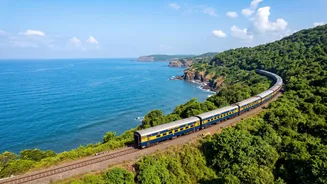
The special services cater to some of the busiest routes out of Mumbai. For the October-November 2026 period, Central Railway has announced a host of trains connecting the city to various parts of the country. These include daily special trains from Chhatrapati Shivaji Maharaj Terminus (CSMT) to Gorakhpur, a crucial route for those travelling to Eastern Uttar Pradesh. Additionally, there are weekly and bi-weekly services connecting Lokmanya Tilak Terminus (LTT) and CSMT to destinations like Banaras, Mau, Chennai, Latur, Nagpur, and Kolhapur. For travellers heading south, special trains have been announced from LTT to Thiruvananthapuram in Kerala, running via the scenic Konkan route. These services originate from major Mumbai terminals like CSMT, LTT, and Dadar, providing a wide range of options for passengers across the city.
How to Book Your Tickets
Booking a seat on these special trains is straightforward, but speed is of the essence. Tickets are made available primarily through the official IRCTC website (irctc.co.in) and the IRCTC Rail Connect mobile app. They can also be booked at all computerised passenger reservation system (PRS) counters. A key point to remember is that bookings for these trains often open on very short notice, so it's vital to stay updated. For many of the recently announced festive specials, bookings opened in late September 2026. Unlike regular trains, options like Tatkal or Premium Tatkal are often not available for these services. The booking process is the same as for any other train: you log in, search your route, select the special train (usually identified by its train number), fill in passenger details, and make the payment.
Tips for a Successful Booking
Securing a ticket on a special train requires preparation. First, monitor official announcements from Central Railway and Western Railway on their websites and social media handles. News outlets also report these announcements promptly. Second, since tickets sell out fast, use the 'Master List' feature on your IRCTC account to pre-save passenger details, which can save crucial seconds during the booking process. If you find yourself on a waitlist, consider using IRCTC's VIKALP scheme, which can assign you a confirmed berth in an alternate train if one is available. Several third-party apps like ConfirmTkt and RailYatri can also help predict confirmation chances or suggest alternative routes. Finally, be flexible with your travel dates. Special trains often run on specific days of the week, and being open to travelling a day or two earlier or later can significantly increase your chances of finding a confirmed seat.