







The New Digital Coworker
In a country with nearly 98 lakh teachers and classrooms that can hold over 40 students, the administrative burden is immense. Recent data suggests Indian teachers spend between 8 to 12 hours weekly on non-teaching tasks alone, with lesson planning being
a major component. This is the core problem AI lesson planners aim to solve. These are not robots replacing teachers, but sophisticated software tools designed to act as an assistant. They help automate the repetitive, structural work of creating lesson plans, freeing educators to focus on their students. A recent survey highlighted a significant shift, with over 70% of Indian teachers reportedly using AI tools and 60% specifically for lesson planning.
From Blank Page to Full Plan in Minutes
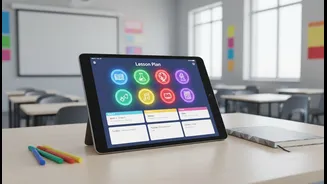
The process is surprisingly simple. A teacher inputs key parameters: the grade level, subject, specific topic, and learning objectives. They might add context about their students' needs, such as different learning levels or language requirements. The AI then generates a comprehensive draft in seconds. This isn't just a simple outline; it often includes a sequence of activities, lists of required materials, suggestions for differentiating the lesson for struggling or advanced students, and even ideas for quizzes and assessments. Platforms like MagicSchool.ai, Google Gemini, and India-specific tools like Teachmint are becoming common, integrating directly into a teacher’s existing workflow.
The Priceless Gift of Time
The most celebrated benefit is the massive amount of time saved. Tasks that once took hours of manual preparation can now be drafted in minutes. Some research suggests AI can save educators up to five hours a week. This isn't just about reducing burnout, though that is a critical outcome for a profession with high stress levels. It’s about reinvesting that time where it matters most: with the students. With the administrative load lightened, teachers have more energy for one-on-one mentorship, leading engaging classroom discussions, and building the strong relationships that are the foundation of effective learning.
Building More Structured and Personalised Classes
Beyond speed, AI tools are helping create better-structured lessons. They can automatically align lesson plans with curriculum standards, such as those from CBSE or ICSE, and the goals of the National Education Policy (NEP) 2020. This ensures a coherent learning path for students. Furthermore, AI excels at generating ideas for differentiation, a time-consuming but vital part of teaching in diverse classrooms. An AI can quickly suggest multiple versions of a reading passage for different skill levels or create varied activities that cater to individual student needs, making personalised learning more achievable.
The Irreplaceable Human Touch
However, educators and experts caution against seeing AI as a magic bullet. The output from an AI is a first draft, not a finished product. It requires a teacher's professional judgment to review, adapt, and ensure the content is accurate, engaging, and appropriate for their specific students. Critics point out that AI-generated lessons can sometimes be generic, lack creativity, and focus on lower-order thinking skills like memorization. Concerns about algorithmic bias, data privacy, and a lack of inclusive content are also significant. The consensus is clear: AI is a powerful tool to support teachers, but it cannot replace their ability to connect with, understand, and respond to the human needs of the children in their classroom.