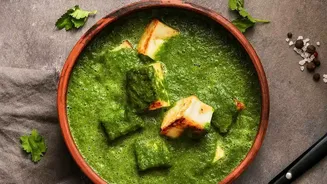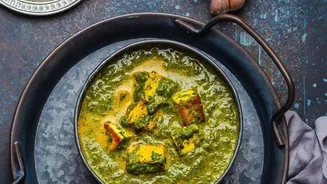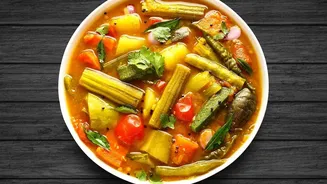





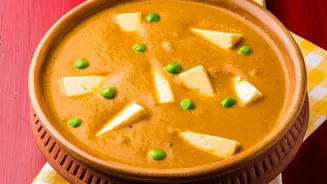
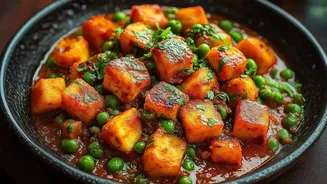
It’s a familiar, deeply satisfying experience: the dal or curry that was delicious last night is, somehow, even more incredible today. You’re not imagining it. There is real science at work, turning a good meal into a great one overnight.
The Slow Dance of Molecules
When you first
cook a complex Indian dish like a rogan josh or chana masala, you’re bringing together a host of ingredients: spices, aromatics like ginger and garlic, fats like ghee or oil, and proteins. While the heat melds them, the process is far from over when you turn off the stove. Overnight in the fridge, a quiet, wonderful process called 'flavour equilibration' takes place. Instead of just sitting next to each other, the different flavour molecules begin to mingle and migrate, creating a more cohesive and unified taste. What might have been sharp or distinct notes begin to harmonize into a richer chord.
The Magic of Mellowing Spices
Indian cooking is defined by its masterful use of spices, but their journey doesn't end in the pot. When first cooked, aromatics like garlic and onions can have a pungent, sharp edge. Spices, too, can present their 'top notes' first. Over time, these harsher compounds begin to break down and mellow through oxidation and other slow chemical reactions. The initial sharpness of turmeric or the raw heat of chilli powder subsides, allowing their deeper, earthier, and more complex background flavours to emerge. The different spice compounds, some soluble in water and others in fat, have more time to dissolve and spread evenly through the gravy, ensuring every spoonful is perfectly seasoned.
The Transformation of Texture
Flavour isn't just about taste; it's also about mouthfeel. For meat-based stews, one of the biggest changes overnight comes from collagen, the connective tissue in tougher cuts of meat. Slow cooking begins to break it down, but the process continues even as the dish cools. This collagen transforms into gelatin. When chilled, this gelatin can form a firm jelly, but when reheated, it melts into a silky, luxurious liquid that gives the sauce a richer body and a more satisfying feel in your mouth. Similarly, with lentil or bean dishes like dal, the starches continue to relax and release into the liquid as they rest, naturally thickening the dish and giving it a velvety, cohesive quality that's hard to achieve when fresh.
The Rise of Umami
The rich, savoury 'meaty' flavour known as umami becomes more pronounced in leftover stews. This is because proteins from meat, lentils, or beans continue to break down into their component parts, including amino acids like glutamate. Our taste buds are highly attuned to glutamate, perceiving it as a deeply savoury and satisfying flavour. So, as these proteins slowly unravel in the fridge, they are essentially releasing more accessible umami, making the dish taste fundamentally richer and more complex than it did the day before.
Maximising Your Leftover Potential
To make the most of this phenomenon, allow your stew or curry to cool completely before placing it in an airtight container in the fridge. This ensures food safety and allows the flavours to develop properly. When reheating, do so gently on the stovetop. While the core flavours will have deepened, you can add a fresh, vibrant layer by finishing with ingredients that are best when not cooked for long. A squeeze of lime juice, a sprinkle of fresh coriander, or even a fresh tadka (spices bloomed in hot ghee or oil) can reawaken the dish, creating a perfect contrast between the mellowed, rested flavours and the bright, fresh ones. It’s the ultimate way to honour the delicious science happening in your fridge.