






The New Digital Gatekeeper
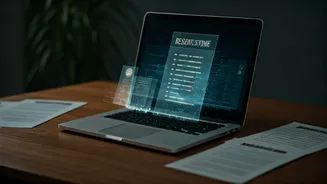
For many companies in India, drowning in a sea of applications for a single opening is a common problem. This is where AI makes its first, and most significant, impact. AI-powered recruitment tools, such as Applicant Tracking Systems (ATS), are now the
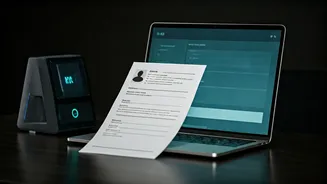
initial gatekeepers, screening thousands of resumes in minutes. These systems are programmed to scan for specific keywords, skills, and qualifications that match the job description, ranking candidates before a human recruiter even sees a CV. This automates a time-consuming part of the hiring process, allowing HR teams to handle a massive volume of applicants with greater efficiency.
Beyond Resume Screening
The influence of AI extends far beyond just reading resumes. Companies are increasingly using sophisticated AI tools for a variety of hiring tasks. AI-powered chatbots engage with candidates 24/7, answering questions and conducting initial screenings. Some firms use AI to analyze video interviews, assessing a candidate's speech patterns and expressions, while others use predictive analytics to forecast a candidate's potential success in a role based on historical data. This data-driven approach aims to make hiring decisions more strategic and less reliant on gut feeling.
The Double-Edged Sword of Bias
While one of the promised benefits of AI in recruitment is the reduction of human bias, it has proven to be a complex issue. AI systems learn from the data they are trained on. If a company's historical hiring data reflects existing biases—for example, favouring candidates from certain universities or a specific gender for a particular role—the AI can learn and even amplify these prejudices. This can lead to a cycle where the algorithm unfairly disadvantages qualified candidates from diverse backgrounds, creating legal and reputational risks for the company. Amazon famously scrapped an AI recruiting tool in 2018 after it was found to be biased against female candidates.
The Shifting Role of the Recruiter
As AI handles more administrative and repetitive tasks, the job of the human HR professional is evolving. Instead of manually sifting through resumes, recruiters can now focus on higher-value activities. Their role is becoming more strategic, centred on building relationships with top candidates, shaping the company's employer brand, and making nuanced judgments about cultural fit and soft skills—areas where AI still struggles. The future of HR is not about being replaced by AI, but augmented by it, combining machine efficiency with human empathy and strategic insight.
How Job Seekers Can Adapt
For job seekers in India, navigating this new landscape requires a change in strategy. Since a machine is often the first reader of a resume, it's crucial to optimise your CV with keywords from the job description. Generic resumes are less likely to pass the initial AI screening. Be prepared for automated video interviews where you record answers on your own time. Most importantly, focus on highlighting skills that AI cannot easily replicate: critical thinking, creativity, complex problem-solving, and emotional intelligence. As routine tasks become more automated, these human-centric skills are becoming more valuable than ever.