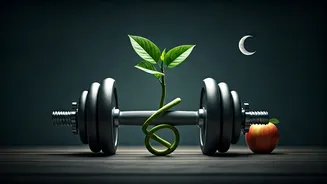









Why Your Workout Is Only Part of the Story
Many of us think of fitness as a simple equation: exercise more to get stronger and healthier. While the effort you put in at the gym, on the track, or in the studio is crucial, it’s only one-third of the puzzle. True, lasting fitness rests on three pillars:
exercise, nutrition, and sleep. Imagine a three-legged stool; if one leg is short or weak, the entire structure becomes unstable. In the same way, neglecting your diet or skimping on sleep can seriously undermine your hard work, slowing your progress and leaving you frustrated. Exercise acts as the stimulus for change, but the real adaptation—muscle growth, fat loss, and improved performance—happens during the other 23 hours of the day. This is when your body uses the fuel you provide and the rest you take to rebuild itself stronger than before.
Sleep: The Ultimate Recovery Tool
Sleep is far from a passive activity; it is a critical, active state of recovery where the magic of muscle growth happens. When you train, you create tiny micro-tears in your muscle fibres. It is during deep sleep that your body gets to work repairing this damage. The pituitary gland releases a significant amount of human growth hormone (HGH), a key player in repairing tissues and building muscle. Without adequate sleep, you rob your body of this prime opportunity to rebuild. Furthermore, a lack of sleep can wreak havoc on your hormonal balance. It causes a spike in cortisol, a stress hormone that can break down muscle tissue and encourage your body to store fat, particularly around the midsection. At the same time, it can suppress testosterone, a hormone vital for muscle synthesis. Consistently getting seven to nine hours of quality sleep is not a luxury; it is a non-negotiable part of any effective fitness plan. It enhances protein synthesis, restores energy, and reduces the risk of injury by keeping you focused and coordinated.
Food as Fuel, Not an Afterthought
You wouldn't expect a car to run without the right fuel, yet we often expect our bodies to perform without proper nutrition. The food you eat provides the energy for your workouts and the essential building blocks for recovery. Each macronutrient plays a distinct and vital role. Carbohydrates are your body's primary energy source, replenishing the glycogen stores in your muscles that get used up during exercise. Without them, you’ll feel fatigued and struggle to perform at your best. Protein provides the amino acids necessary for muscle protein synthesis, the process of repairing those micro-tears and building new muscle tissue. Finally, healthy fats are essential for overall health, including the production of hormones that regulate everything from metabolism to muscle growth. A successful fitness diet isn't about extreme restriction; it's about balance. It’s about ensuring your body has the high-quality fuel it needs to power through a workout and the materials required to repair and adapt afterward.
The Vicious Cycle of Poor Habits
The relationship between diet, sleep, and exercise is deeply interconnected. When one falters, the others often follow, creating a negative feedback loop that can completely derail your progress. Sleep deprivation is a prime example. When you're tired, your body's hormonal response increases cravings for high-calorie, sugary, and processed foods. Your motivation to exercise plummets, and your perceived effort during a workout increases, making everything feel harder than it should. Similarly, poor nutrition can disrupt sleep patterns. Eating heavy, processed meals close to bedtime can interfere with digestion and sleep quality. On the other hand, a positive cycle is just as powerful. Regular exercise can improve sleep quality, which in turn helps regulate your appetite and gives you the energy to make healthier food choices. This creates an upward spiral where each healthy habit reinforces the others, accelerating your results.
Building a Complete Fitness Lifestyle
Integrating these principles doesn't require a complete life overhaul. Start with small, manageable changes. Instead of counting every calorie, focus on including a source of lean protein, complex carbohydrates, and healthy fats with each meal. Prioritise your sleep by establishing a consistent bedtime and wake-up time, even on weekends. Create a relaxing pre-sleep routine, dimming the lights and putting away screens an hour before bed. Pay attention to hydration throughout the day, not just during your workout. View your nutrition and sleep with the same importance as your scheduled training sessions. By shifting your mindset from just 'working out' to 'recovering effectively', you provide your body with the holistic support it needs to truly transform and achieve the goals you're working so hard for.