

What Makes the Harvest Moon Special?
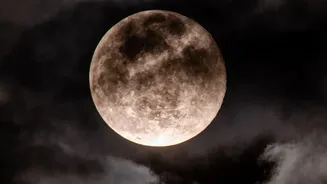
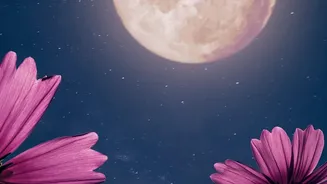
The Harvest Moon is the name given to the full moon that occurs closest to the autumnal equinox, which marks the start of autumn in the Northern Hemisphere. This year, the equinox falls on September 22, making the full moon on September 26 the official
Harvest Moon. Its name is steeped in agricultural history. Before the era of electricity, farmers depended on the moon's bright light to extend their working day, allowing them to gather crops late into the night. This extra illumination was crucial for bringing in the harvest before the first frosts of the season. While we may no longer need its light to farm, the name remains a poetic nod to a time when life was more closely tied to celestial cycles.
The Science of the Lingering Light
What truly sets the Harvest Moon apart is a fascinating astronomical quirk. On most nights, the moon rises about 50 minutes later than it did the previous evening. However, for a few nights around the Harvest Moon, this delay is significantly shorter—sometimes as little as 25 to 30 minutes. This happens because the angle of the moon's orbit relative to the Earth's horizon is at its minimum around the time of the autumnal equinox. The result is that the moon appears to rise at nearly the same time for several consecutive evenings, creating an illusion of multiple full moon nights. This period of prolonged evening moonlight is what makes the event so distinctive.
When and Where to Watch in India
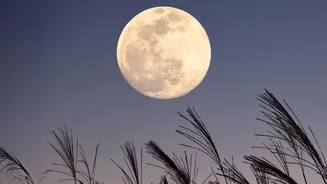
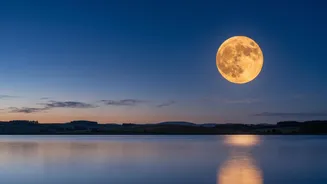
For stargazers in India, the timing is perfect. The Harvest Moon will reach its peak illumination at 10:19 PM IST on Saturday, September 26, 2026. Since this peak occurs at night, the entire country is well-positioned to witness the event. The moon will appear full and bright for most of the night. To get the most dramatic view, look towards the eastern horizon just after sunset. This is when the moon often appears largest and takes on a beautiful yellow or orange hue due to an effect called the 'moon illusion' and the scattering of light by the Earth's atmosphere. You can check a reliable astronomy app for the exact moonrise time in your specific city.
Tips for the Perfect Viewing Experience
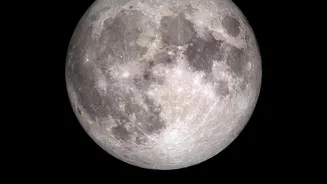
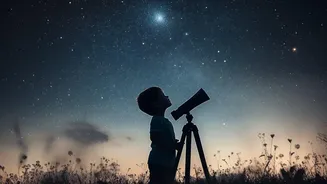
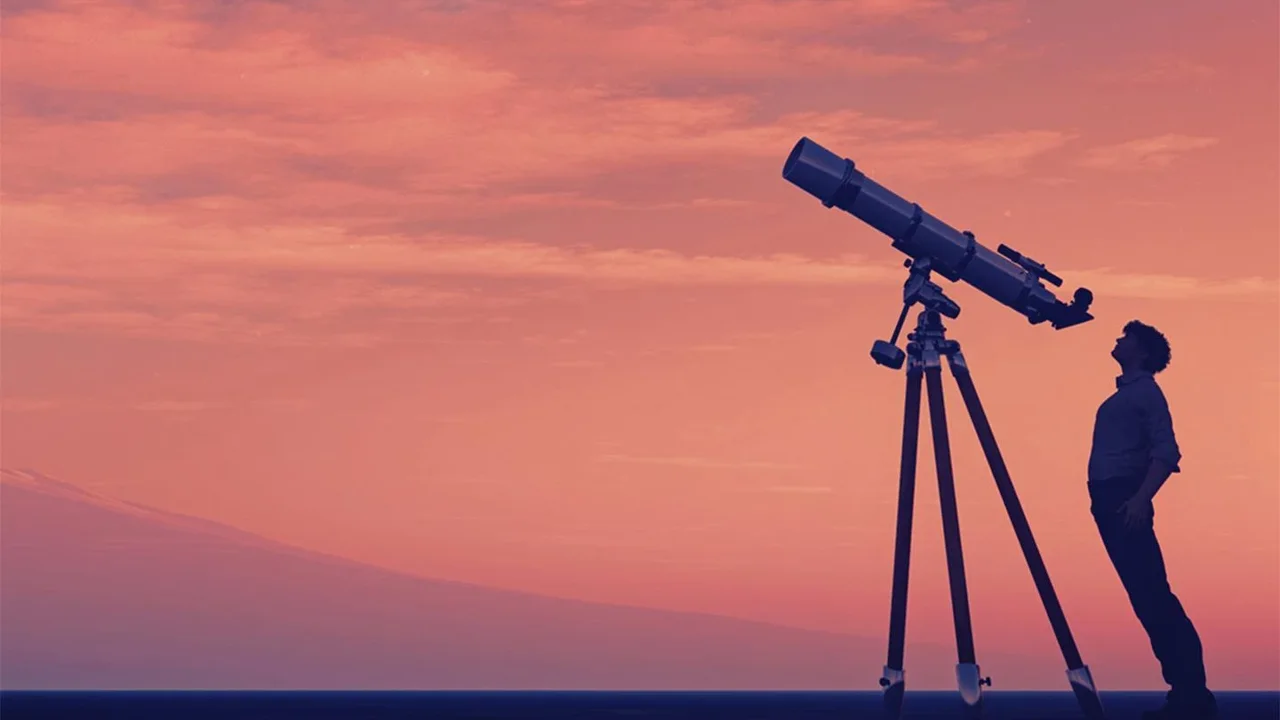
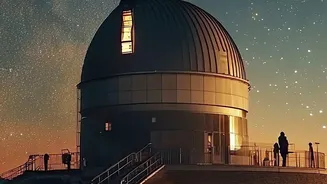
You don't need any expensive equipment to enjoy the Harvest Moon; your eyes are more than enough. However, to make the experience more memorable, find a location away from bright city lights. An open field, a quiet park, or even a rooftop can provide a clear, unobstructed view of the sky. Give your eyes about 15-20 minutes to fully adjust to the darkness, which will help you see the moon's features more clearly. While not essential, a pair of binoculars or a basic telescope can enhance your view, revealing craters and other details on the lunar surface. For those interested in photography, a tripod is highly recommended to keep your camera or smartphone steady and capture a sharp image.
A Bonus for Sky-Watchers: Spot Saturn
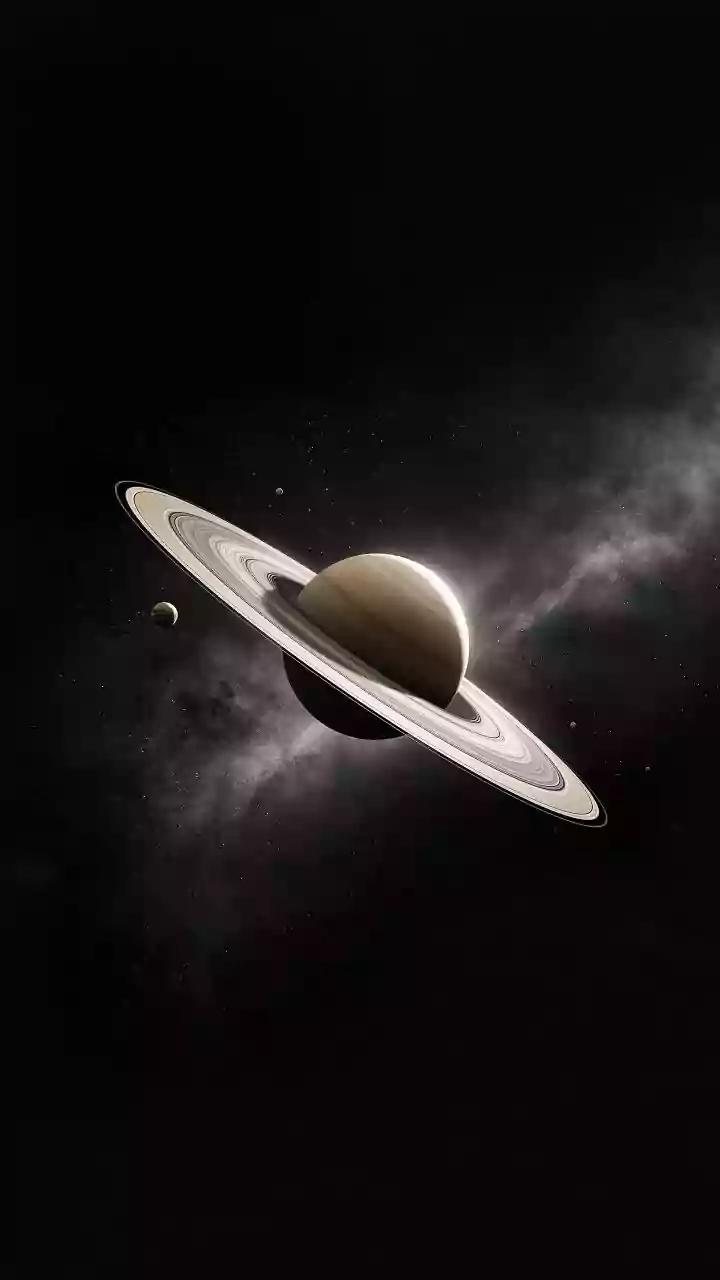
The moon won't be the only celestial object putting on a show. Look closely, and you'll find the planet Saturn appearing as a bright, yellowish, star-like object near the moon. It will be visible to the naked eye, adding an extra treat for anyone who steps outside to watch. The moon itself will be situated within the constellation of Pisces. If you're an early riser, you might also be able to spot Jupiter and Mars in the pre-dawn sky.
Cultural Connections and Significance
The full moon holds deep cultural significance in India, and the Harvest Moon period is no exception. This full moon often coincides with the beginning of Pitru Paksha, a fortnight in the Hindu calendar dedicated to honouring one's ancestors through prayers and rituals. Globally, the event is also celebrated in other ways. In China and other parts of East Asia, it aligns with the Mid-Autumn Festival, a time for family gatherings, lighting lanterns, and sharing mooncakes. It serves as a beautiful reminder of how cultures around the world have long found meaning and reason to celebrate in the steady, predictable cycles of the cosmos.