







The New Corner Office: Why Bali?
The allure of Bali is nothing new, but its transformation into a viable base for serious entrepreneurs is a more recent phenomenon. For founders from cities like Hyderabad, which itself is a booming startup hub, the appeal is multi-faceted. Beyond the obvious
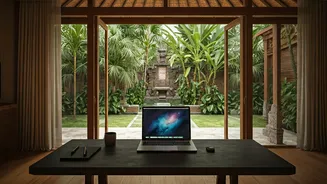
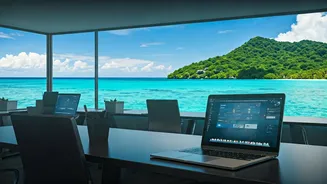
draws of a tropical lifestyle, Bali offers a significantly lower cost of living compared to major tech cities. A budget that might secure a modest apartment in India can often afford a private villa in Bali, complete with a pool. This financial arbitrage allows founders to extend their personal runway and invest more capital back into their businesses. Furthermore, Bali has a well-established and welcoming international community. Areas like Canggu and Ubud have become global hotspots for digital nomads, fostering an ecosystem of co-working spaces, high-speed internet, and a network of like-minded entrepreneurs. This environment provides not just infrastructure, but also a valuable community for collaboration and inspiration, far from the pressures of a traditional corporate setting.
The Remote Operations Playbook
Running a startup from thousands of miles away is a logistical puzzle. The time difference—Bali is 2.5 hours ahead of India—is one of the first hurdles. Founders adapt by structuring their days to overlap with their teams in India. Mornings in Bali are often reserved for deep work, creative thinking, and personal time, such as a surf session or yoga class. The workday, in a traditional sense, begins in the early afternoon, syncing with the start of the Indian business day. This schedule allows for several hours of real-time collaboration. Communication relies heavily on a suite of digital tools. Slack, Zoom, and project management software become the virtual office. For founders, this requires a shift in management style, emphasizing asynchronous communication and trusting their teams to work autonomously. The goal is to maintain productivity and company culture without the need for physical oversight.
The Fine Print: Visas and Practicalities
The dream of working from Bali is underpinned by the practical reality of visas. Indonesia has recently made it easier for remote workers to stay legally for extended periods. While a much-discussed five-year digital nomad visa has not yet materialized, the country launched the E33G Remote Worker Visa in 2024. This visa allows foreign nationals to live in Indonesia for one year (with the option to renew) provided they work for a company based outside of Indonesia and meet certain financial requirements, such as a minimum annual income of $60,000 USD. For Indian citizens, this provides a clear legal pathway that wasn't previously available, moving beyond the grey area of short-term tourist visas. However, challenges remain. Navigating the bureaucracy can be complex, and while internet infrastructure is generally reliable in nomad hubs, it can be inconsistent in more remote areas. Power cuts and traffic are also part of the daily reality that a glossy Instagram feed might not show.
A Change of Scenery, A Change in Mindset
Many founders who make the move report that the benefits extend beyond lifestyle. Stepping away from the intense, often insular, startup bubbles of major cities can provide a fresh perspective. The change of environment is credited with boosting creativity and reducing burnout—a common ailment among entrepreneurs. Being exposed to a global community in Bali can also open up new ideas and ways of thinking. It fosters a mindset where work is integrated into life, rather than life being squeezed around work. However, the lifestyle is not without its critics. Some who have tried it note that the laid-back 'Bali vibe' can sometimes be counterproductive to the 'grind mode' required to scale a startup. Success often depends on the founder's discipline and the maturity of their business and team back home.