





For many, a late dinner is a non-negotiable part of a busy schedule. But new research is asking us to consider not just what we eat, but when we eat it. It appears our gut has its own clock, and eating late may disrupt its natural rhythm.
Meet Your Gut's Gatekeeper
Imagine the lining
of your intestines as a tightly controlled border, or a gatekeeper. This is known as the intestinal barrier. Its main job is to let vital nutrients pass from your gut into your bloodstream while blocking harmful substances, toxins, and undigested food particles from getting through. When this barrier works well, it's a key part of a healthy immune system. However, when it becomes more permeable—a condition sometimes referred to as 'leaky gut'—this selective process gets compromised. An increase in intestinal permeability means unwanted substances can 'leak' into the bloodstream, potentially triggering inflammation and other health issues.
What The New Science Reveals
Recent studies are shining a light on how our daily schedules impact this crucial barrier. Research published in the journal 'iScience' explored the connection between meal timing, sleep patterns, and gut health in adults with obesity. The findings suggest that individuals who eat late (defined in the study as after 8 p.m.) and also have a late sleep schedule (a 'late chronotype') showed signs of increased intestinal permeability. This means their gut's gatekeeper was less effective. These changes were also associated with shifts in the gut microbiome—the community of trillions of bacteria living in our digestive tract—and a higher burden of metabolic syndrome risk factors, which include conditions like high blood pressure and abnormal cholesterol.
The Circadian Rhythm Connection
So, why does timing matter so much? The answer lies in our body's internal 24-hour clocks, known as circadian rhythms. These rhythms govern nearly every process in our body, from sleep and hormone release to digestion. Your gut has its own clock, too. During the day, it's primed for digestion, with digestive enzymes and gut motility at their peak. At night, as your body prepares for rest and repair, these processes naturally slow down. Eating a large meal late at night forces your digestive system to work overtime when it's supposed to be winding down. This mismatch, or circadian misalignment, can disrupt the gut's rhythm, affect the balance of good and bad bacteria, and ultimately compromise the intestinal barrier.
Why This Matters for Your Health
A compromised intestinal barrier isn't just a minor digestive issue. It's linked to chronic, low-grade inflammation, which is a known factor in a wide range of health problems. The study from UTHealth Houston found that a weakened gut barrier was connected to higher metabolic inflammation. This systemic inflammation can contribute to the development and worsening of metabolic syndrome, which increases the risk for heart disease, stroke, and type 2 diabetes. The research also found that individuals with both a late-night eating habit and a natural tendency to sleep late had the highest metabolic risk.
Practical Tips for Modern Schedules
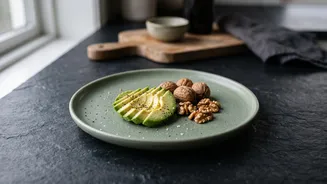
Completely avoiding late meals isn't realistic for everyone, especially with demanding work hours or social commitments. However, you can still make small, impactful changes. If you must eat late, try to make it a lighter meal that's easier to digest. Shifting more of your calorie intake to earlier in the day can also help align your eating patterns with your body's natural rhythms. Research suggests that consistency is also key; trying to eat around the same times each day can support the stability of your gut microbiome. Encouragingly, some studies show that when the intestinal barrier improves, there's often an increase in beneficial bacteria that produce short-chain fatty acids, which help maintain gut health and regulate inflammation.