





An Economic Lift-Off
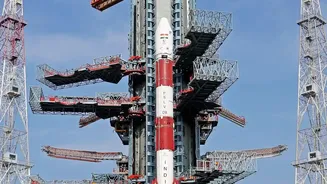
For decades, a career in India's space sector was largely synonymous with a job at the Indian Space Research Organisation (ISRO). Today, that landscape is transforming at light speed. Following landmark policy reforms in 2020 designed to open the sector to private
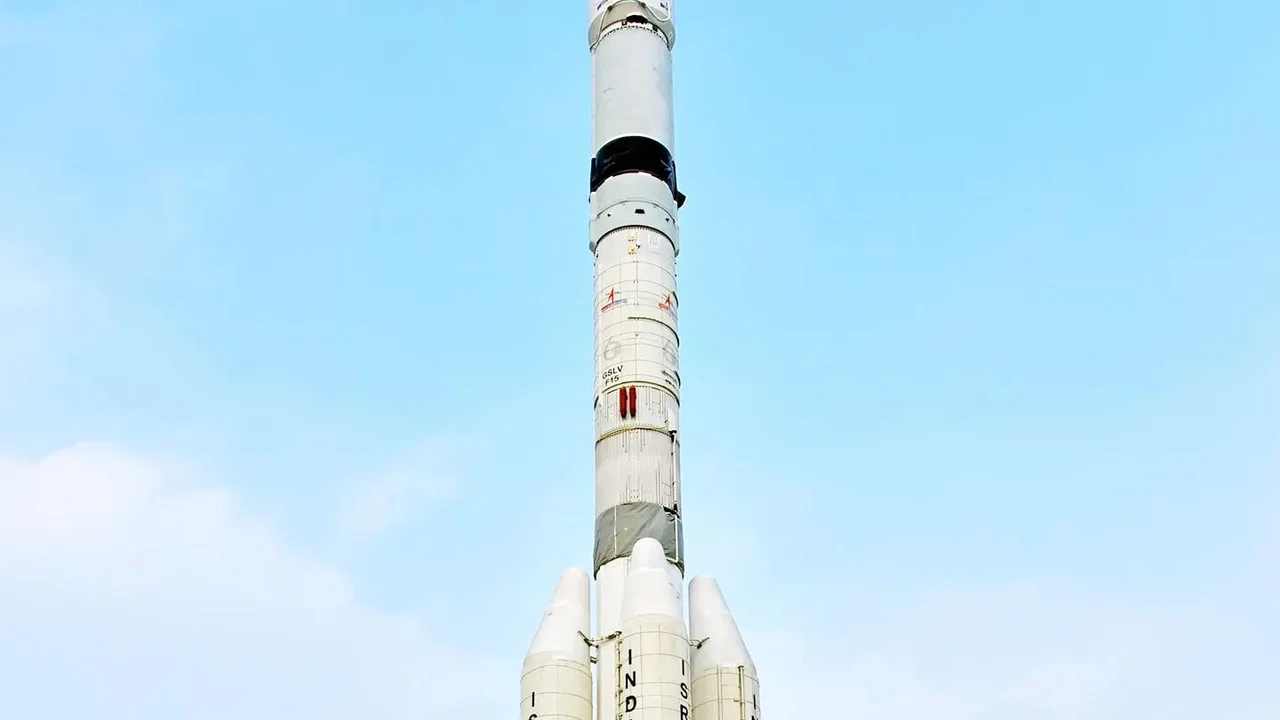
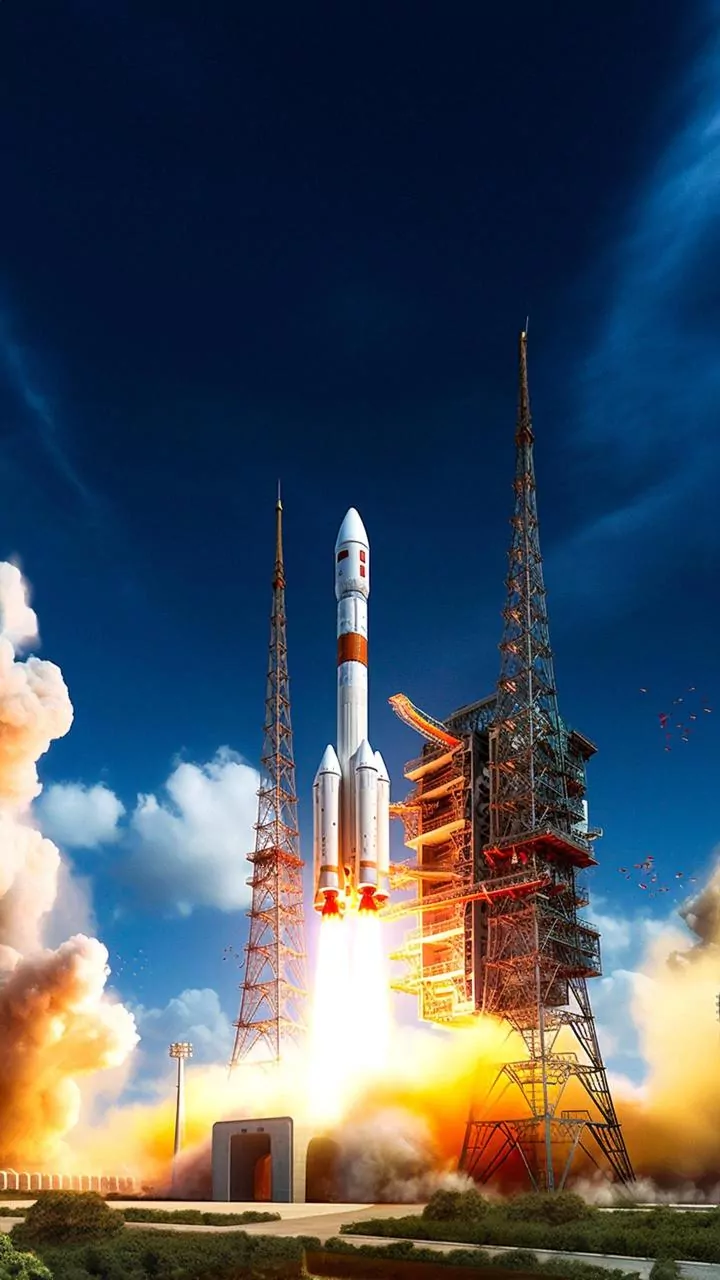
enterprise, India's space economy is booming. Currently valued at around $8.4 billion, projections suggest it could skyrocket to $44 billion by 2033. This explosive growth is fuelled by a vibrant ecosystem of over 400 private startups. Companies like Skyroot Aerospace, which recently became the first private Indian firm to reach orbit, Agnikul Cosmos with its 3D-printed engines, and satellite data firm Pixxel are creating a new industrial base. This public-private synergy is not just about building national prestige; it's about creating tangible economic value and high-skilled employment.
The Tech and Engineering Core
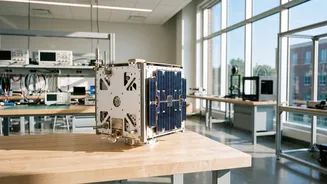
Naturally, the backbone of the space industry remains rooted in science and engineering. Aerospace, astronautical, and mechanical engineers are essential for designing and building launch vehicles, satellites, and their components. But the demand has diversified. Avionics engineers are critical for developing the complex electronic 'nervous systems' of spacecraft, while satellite systems engineers design and manage the communication and navigation payloads that are vital to our daily lives. With the rise of private manufacturing, there is a growing need for professionals in advanced manufacturing, materials science, and robotics to build the next generation of space hardware efficiently and at scale. ISRO continues to be a primary recruiter, but now private players like Skyroot, Agnikul, and Bellatrix Aerospace are also hiring aggressively.
The Data-Driven Frontier
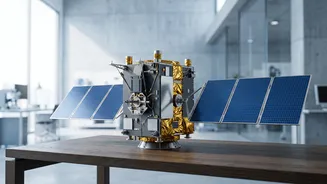
Modern space exploration generates astronomical amounts of data. This has created a surge in demand for professionals who can turn raw data into actionable intelligence. Satellite data analysts and remote sensing experts are some of the fastest-growing roles in the sector. They interpret imagery and signals for a vast range of applications on Earth, including precision agriculture, climate change monitoring, urban planning, and disaster management. This field requires a blend of skills in geospatial information systems (GIS), programming, and, increasingly, artificial intelligence and machine learning. Companies like Pixxel, which is building a constellation of hyperspectral imaging satellites, are at the forefront of this data revolution, providing crucial insights to commercial and government clients.
The Business and Support Ecosystem
A thriving space industry needs more than just scientists and engineers. As the sector commercialises, a robust support ecosystem is becoming indispensable. This opens the door for professionals from a wide variety of backgrounds. Space law is an emerging specialisation, with experts needed to navigate the complex web of international treaties, domestic regulations, licensing, and liability issues. With hundreds of startups entering the fray, there is a need for venture capitalists, financial analysts, and project managers who understand the unique challenges and long-term cycles of the space business. Furthermore, these new companies need marketing, communications, and business development professionals to sell their services, attract talent, and build their brands in a competitive global market.
The Human and Future Frontiers
As India sets its sights on ambitious missions like the Gaganyaan human spaceflight program and the proposed Bharatiya Antariksh Station, a new set of human-centric careers is coming into focus. These include space medicine specialists to manage astronaut health, psychologists to support crew well-being on long-duration missions, and life-support systems engineers. Further down the line, the industry will see the growth of even more futuristic roles. The advent of space tourism, though still nascent, will require hospitality and safety experts. As orbits become more crowded, space debris management and tracking will become a critical field. The ecosystem is expanding so rapidly that it's creating specialised roles in areas like visual design, IT administration, and human resources, all tailored to the unique demands of a space-tech company.