





The New Definition of Luxury
For years, fine dining in India was synonymous with exotic, imported ingredients. A menu’s prestige was often measured by its air miles—French cheese, Italian olive oil, Peruvian quinoa. But a new mindset is taking root, championed by innovative chefs
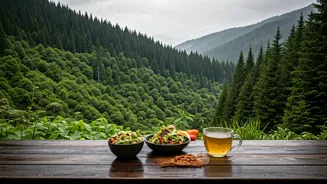
and discerning food lovers. The ultimate status symbol is no longer about global sourcing, but about radical locality. This is the world of forest ingredients, where a humble, wild-growing herb from the nearby hills holds more cachet than a perfectly vacuum-sealed fillet of salmon from Norway. This 'flex' isn't about wealth in the traditional sense; it's about knowledge, access, and a deep connection to a specific place. It’s about serving a story on a plate, a flavour that cannot be replicated anywhere else in the world because its source is a particular patch of forest, a specific mountain slope, or a unique coastal grove.
From Traditional Sustenance to Trendy Tables
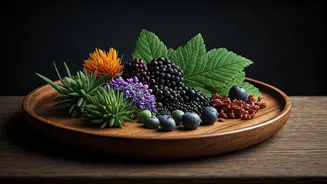
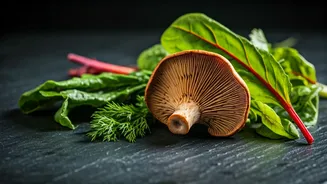
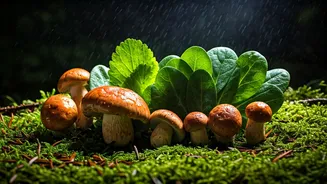
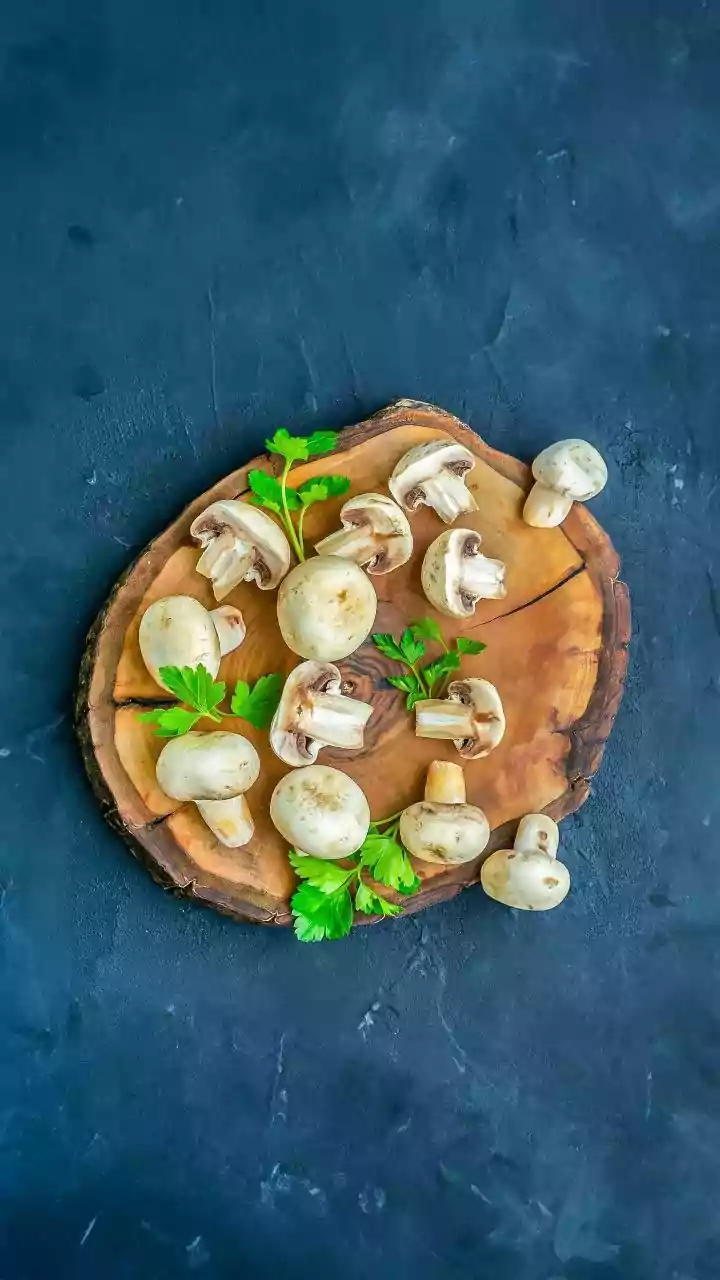
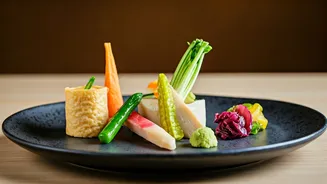
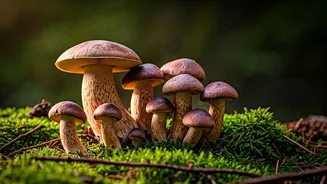
Foraging is, of course, nothing new in India. For generations, indigenous communities have relied on the forest for sustenance, medicine, and flavour. Ingredients like the floral, intoxicating *mahua* flower, the crisp fiddlehead fern (*lingri*), tangy wild berries like *hisalu*, and countless varieties of uncultivated greens (*saag*) have been staples in regional kitchens long before they were 'discovered' by urban chefs. What's changed is their context. These ingredients are moving from the realm of rustic, home-style cooking to the centre stage of contemporary Indian cuisine. Chefs are re-contextualising them, applying modern techniques to showcase their unique profiles. A wild mushroom from the Western Ghats might be transformed into a delicate consommé, or foraged sea purslane might add a surprising saline crunch to a coastal dish. This shift honours ancestral knowledge while presenting it in a new, exciting light for a modern audience.
The Chefs Leading the Movement
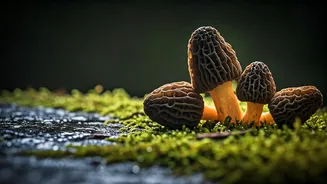
This movement wouldn't exist without its pioneers. Chefs across the country are building their menus—and their reputations—around foraged finds. Prateek Sadhu, formerly of the acclaimed Mumbai restaurant Masque, became famous for his expeditions into the Himalayas to source ingredients like wild apricots, rhododendron, and Kashmiri morels (*gucchi*). In Goa, chefs are exploring the bounty of the coast and its hinterlands, finding everything from wild-growing kokum to edible flowers. These culinary trailblazers work closely with local communities and foragers, building a supply chain that is both sustainable and respectful. Their work goes beyond just cooking; they are acting as botanists, anthropologists, and storytellers, unearthing forgotten flavours and introducing them to a new generation of diners who are hungry for authenticity.
More Than Just a Pretty Plate
The appeal of forest ingredients goes deeper than just novelty. It’s a powerful statement about sustainability and identity. By prioritising ingredients that grow naturally and locally, restaurants dramatically reduce their carbon footprint. There are no international flights, no excessive packaging, and no industrial-scale farming involved. This philosophy encourages biodiversity by creating a market for a wider variety of plants, moving away from the monocultures that dominate global agriculture. Furthermore, it fosters a stronger sense of regional identity. A meal featuring ingredients foraged from the surrounding landscape is a true expression of its terroir—the unique combination of soil, climate, and culture that defines a place. It’s a taste of the here and now, a direct connection to the land.
A Skill That Demands Respect
While the romance of foraging is undeniable, it’s crucial to understand that it is not a casual hobby. It is a highly specialised skill that requires deep, often generational, knowledge. The forest is abundant, but it can also be dangerous. Many edible plants have toxic look-alikes, and misidentification can have serious consequences. The chefs who champion this movement don’t just wander into the woods with a basket; they rely on the expertise of local guides and foragers who have spent their lives learning to read the landscape. Responsible foraging also involves a code of ethics: taking only what you need, ensuring the plant population can regenerate, and respecting the ecosystems you enter. This isn’t about stripping the forest bare for a trend; it's about a symbiotic relationship built on wisdom and restraint.