







The Paradox of Plenty
By many measures, India's agricultural story is one of incredible achievement. The nation has achieved self-sufficiency in grain production and stands as one of the world's largest producers of essential commodities like rice, wheat, and horticultural
products. Annual food grain output consistently crosses the 300-million-tonne mark, a testament to the country's farming capabilities. This large-scale production forms the backbone of the nation’s food security programmes, which reach hundreds of millions of citizens. However, this impressive top-line number masks a more complicated reality. While the country produces enough food on paper, ensuring that it is affordable and accessible to the most vulnerable remains a significant challenge. This gap between production and access is where the journey to true food security begins.
The Broken Bridge in Supply Chains
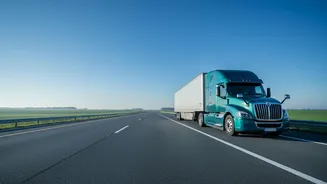
A significant portion of what Indian farmers grow never reaches a consumer's plate. Estimates of post-harvest losses are staggering, with horticultural produce like fruits and vegetables being particularly vulnerable. Losses for some crops like guava and tomato can be as high as 15% and 11.6% respectively. This wastage is largely an infrastructure problem. A fragmented supply chain, lack of adequate cold storage facilities, poor road connectivity, and insufficient refrigerated transport mean that perishable goods often spoil before they can reach markets. This inefficiency creates a dual crisis: farmers lose potential income from spoiled produce, while consumers in urban and rural centers face higher prices due to artificial scarcity created by these supply chain gaps. The journey from farm to fork is long, inefficient, and costly.
A Tale of Two Markets
For many of India's small and marginal farmers, the local market, or 'mandi', is a site of immense frustration. While regulated markets under Agricultural Produce Market Committees (APMCs) were set up to protect farmers, they often become bottlenecks. Farmers face issues like exploitation by middlemen, lack of transparent pricing, and limited access to a wider pool of buyers. This system reduces the farmer's share of the final price paid by the consumer. On the other side, consumers rarely benefit from the low prices farmers receive, as multiple intermediaries add their own margins. While government initiatives like the electronic National Agriculture Market (e-NAM) aim to create a unified national market and improve price discovery, their implementation and adoption remain uneven. The market structure itself often stands between the farmer’s need for a fair price and the consumer’s need for an affordable one.
The Consumer's Plate is Getting Costlier
The end result of supply chain bottlenecks and market inefficiencies is persistent food inflation, which disproportionately hurts low-income households. For these families, food can constitute up to 60% of their monthly budget, making them extremely vulnerable to price spikes in essential items like vegetables, pulses, and milk. A sudden rise in tomato or onion prices isn't just an inconvenience; it can mean a severe cutback in nutrition and other essential spending. Even when headline inflation appears controlled, the cost of a basic, nutritious meal continues to climb, pushing it out of reach for many. This directly impacts national nutrition levels, where challenges like malnutrition and anaemia persist despite agricultural abundance.
Seeds of a Modern Solution
Fixing this disconnect requires a multi-pronged approach focused on strengthening the links between production and consumption. A key part of the solution lies in empowering farmers through collectives. Farmer Producer Organizations (FPOs) are being promoted to help small farmers band together, giving them better bargaining power, enabling direct market linkages, and facilitating access to better inputs and technology. Simultaneously, significant investment is needed in post-harvest infrastructure through schemes like the Agriculture Infrastructure Fund. Building more warehouses, cold storage units, and food processing facilities closer to the farm gate can dramatically reduce waste and create a more efficient supply chain. Digital platforms are also playing a growing role in providing farmers with better market information and connecting them directly with buyers.