




The 'Now and Later' Philosophy
The secret to a steady supply of perfectly ripe fruit is to think like a planner. Instead of grabbing whatever looks good, divide your fruit shopping into two mental baskets: 'Ready for Now' and 'Ready for Later'. This simple shift in mindset is the key
to avoiding the all-or-nothing ripeness dilemma. Your 'now' basket will contain fruits that are at their peak and ready to be enjoyed in the next day or two. Your 'later' basket will be filled with fruits that need a few days on your countertop to reach their sweet, juicy potential. This ensures a staggered ripening schedule, giving you delicious, ready-to-eat options throughout the week without the pressure to eat everything before it spoils. It saves money, reduces food waste, and elevates your daily fruit-eating experience from a race against time to a simple pleasure.
Fruits That Ripen vs. Fruits That Don't
To master the 'now and later' strategy, you need to know a little bit about how fruit ripens. Fruits fall into two main groups. The first are 'climacteric' fruits, which continue to ripen after they are picked. These are your ideal 'for later' candidates. They produce a natural gas called ethylene, which drives the ripening process, making them softer and sweeter over time. This group includes favourites like bananas, mangoes, papayas, pears, and avocados. The second group are 'non-climacteric' fruits. These fruits must ripen on the plant and do not become sweeter or more flavourful after being harvested. Think of grapes, berries, citrus fruits like oranges, and watermelon. These are your 'eat now' picks. What you see in the store is what you get, so it's crucial to select them when they are already perfectly ripe.
Your 'Ready-to-Eat' Shopping List
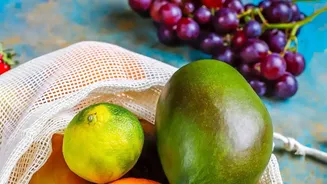
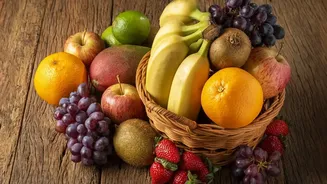
When you're shopping for fruit to eat immediately, focus on the non-climacteric category. For berries like strawberries, look for a vibrant, uniform red colour and avoid any with white tips or mushy spots. Grapes should be plump and firmly attached to the stem; they won't get any sweeter once picked, so taste one if you can. For citrus fruits like oranges and mosambi, choose ones that feel heavy for their size, which indicates juiciness, and have a fragrant smell. With these fruits, what you buy is as ripe as it will ever get. They may soften as they age, but this is a sign of decay, not increased sweetness. Store these ripe picks in the refrigerator to keep them fresh, but try to consume them within a few days for the best flavour and texture.
Stocking the 'For Later' Pantry
This is where your planning pays off. For your 'for later' stash, seek out firm, slightly underripe climacteric fruits. For mangoes, don't just rely on colour, as many varieties stay green even when ripe. Instead, gently squeeze the fruit; it should be firm but not rock-hard. A ripe mango will also have a distinct fruity aroma at the stem. Buy a couple that are slightly soft for the next day or two, and a few harder ones for later in the week. The same logic applies to avocados, pears, and papayas. Select bananas that are still a bit green at the tips for a steady supply all week. For fruits like sapota (chikoo), choose firm ones and allow them to soften at home over several days. These fruits give you the flexibility to control your supply chain right on your kitchen counter.
How to Control the Ripening Process
Once you get your fruit home, you have the power to speed things up or slow them down. To accelerate ripening for your 'for later' fruits, place them in a loosely closed paper bag. This traps the ethylene gas they naturally release. To give it an extra boost, add a ripe banana or an apple to the bag, as they are major ethylene producers. An old technique from India for ripening mangoes involves burying them in a container of uncooked rice, which also traps ethylene effectively. Conversely, to slow down ripening, keep fruits separate, especially from ethylene-producers like apples and bananas. Once a climacteric fruit like a pear or mango has reached your desired level of ripeness, you can move it to the refrigerator to halt the process and extend its life for a few more days. Never refrigerate these fruits before they are ripe, as the cold can permanently damage their ability to develop flavour and texture.